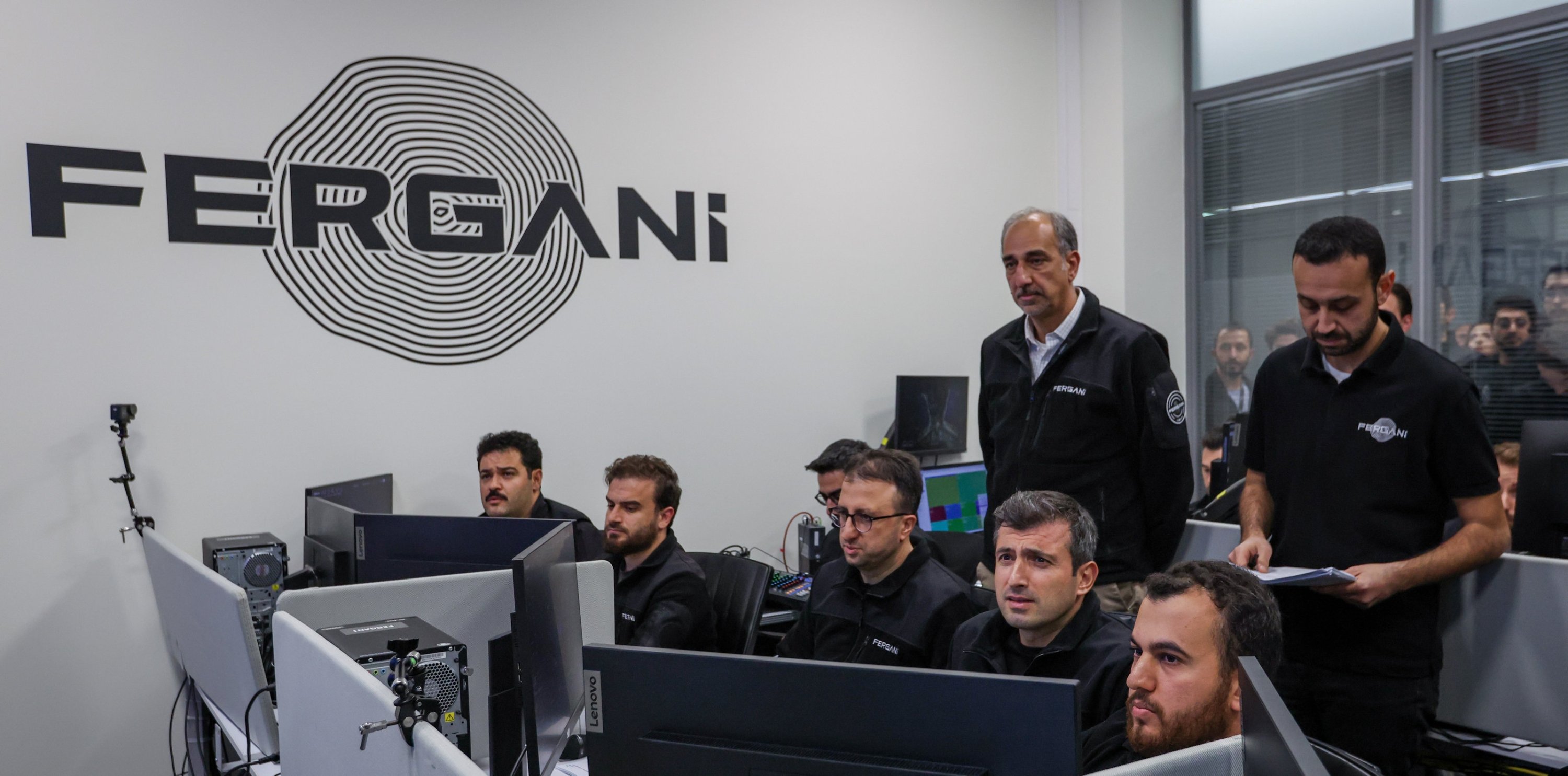
Space powers are usually described through the rockets they launch and the satellites they operate. Türkiye is now focusing on something in between these two, a critical capability that is often overlooked: in-orbit mobility. FGN TUG S01 is a hybrid-powered orbital transfer vehicle built by Fergani, which is part of the Baykar family. With this vehicle, Türkiye is placing its own space tug into service. It can lift satellites from low Earth orbit, raise their altitude, shift their orbital plane and turn a single launch into a mission that reaches several different orbits. This is the moment when a country moves from simply entering space to moving with confidence inside it. That is where real space capability begins.
There is also a bigger story. Türkiye is no longer trying to follow the future. It has begun to write it.
This became clear not only in orbit but also in the sky. Only a few days ago, Kızılelma carried out an autonomous air-to-air missile engagement against a jet target. The scene looked like something from a science fiction film. But in Türkiye’s technological journey, moments like this are not fantasies. They are early drafts of the next chapter.
Now that the chapter continues above the atmosphere. With FGN TUG S01, Türkiye is moving from a nation that mostly watches space to a nation that shapes its geometry, its logistics and its mobility.
An orbital transfer vehicle is not simply another satellite. It is the bridge between the rocket and the final mission orbit. In most launches, rockets release payloads into a standard parking orbit and their job ends there. The satellite must then live with limited propulsion and accept whatever orbit it can reach. FGN TUG S01 changes this situation. It provides real last-mile delivery in space. It can change altitude, adjust inclination, deploy constellations and guide satellites to their final paths, even assisting with de-orbiting at the end of their mission life.
The effects show up immediately. Missions become less expensive because several satellites can use the same launch. Commercial, civilian and government users gain more freedom in placing their assets exactly where they need them. And Türkiye gains something it has never had before: control. Control over orbital geometry, mission tempo and maneuvering. These are the foundations of a sovereign space capability.
FGN TUG S01 also carries one of the most ambitious propulsion tests Türkiye has ever sent to orbit. It includes a hybrid rocket engine designed to fire in space. Only a few countries have attempted this. Hybrid propulsion uses a solid fuel and a liquid oxidizer. It offers a simple structure, safe handling and the ability to restart and control thrust. Critically, this technology belongs to the same propulsion family planned for Türkiye’s lunar mission under the National Space Program. Every movement of FGN TUG S01, therefore, becomes vital data for the country’s path beyond low Earth orbit.
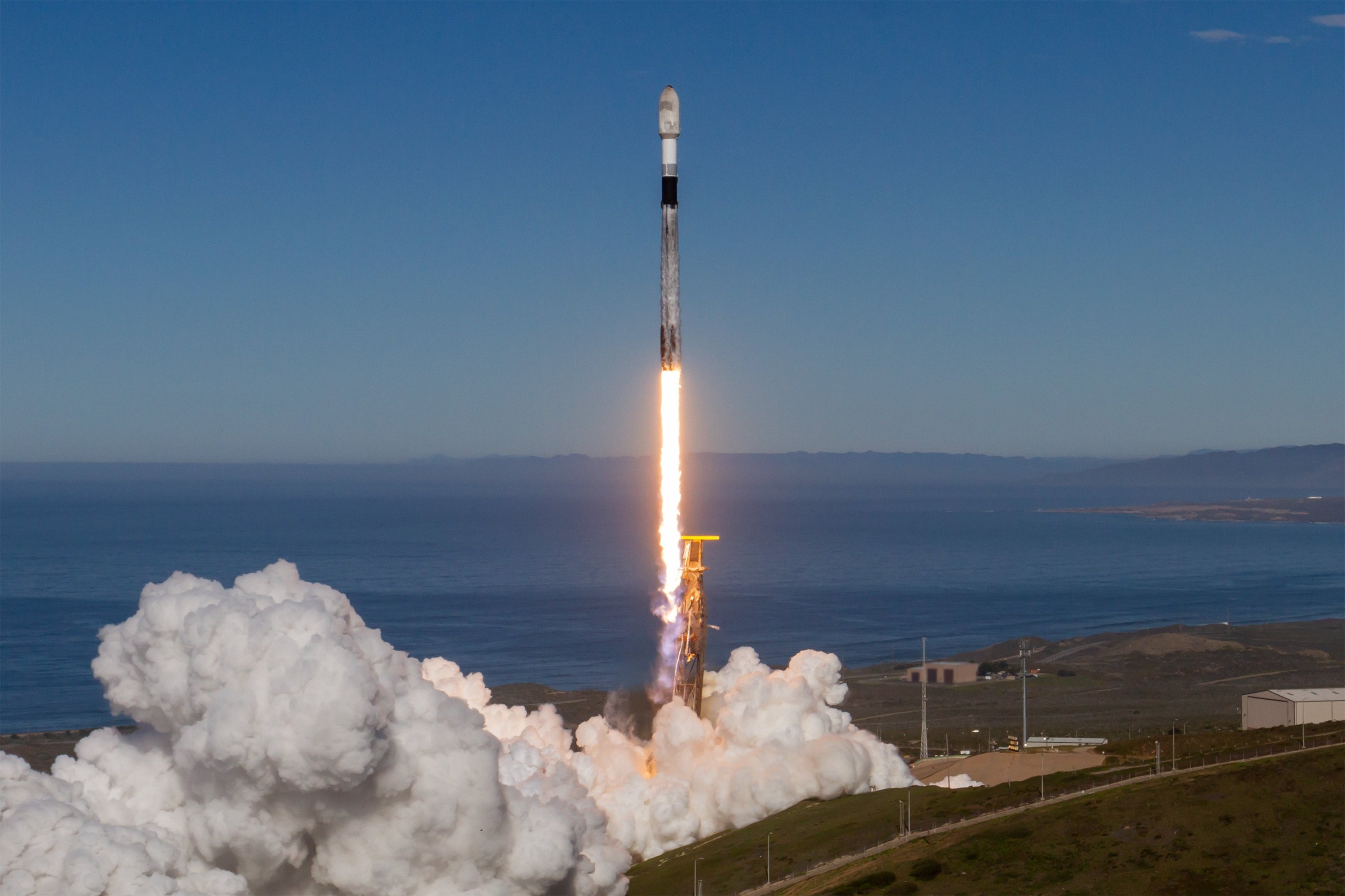
Behind this new step stands a name the world already knows: Baykar. For more than a decade, Baykar’s unmanned aircraft, from TB2 to Akıncı and most recently Kızılelma, have changed how conflicts unfold, how doctrines evolve and how medium-sized powers shape events. Fergani grows from this same culture. The engineering mentality that transformed the air has now crossed into space.
What made Baykar disruptive in the sky is the same set of strengths that gives Fergani an advantage in orbit: fast development cycles, strong vertical integration, ownership of core subsystems and deep experience in autonomy, avionics and sensor fusion. The flight computer, the avionics layout, the power systems and the thermal architecture of FGN TUG S01 are all built in Türkiye. They are not licensed and not outsourced. This is not an imported satellite platform with a national sticker on the side. It is a genuinely national technology stack.
In the global space economy, this carries a clear meaning. As constellations grow, the bottleneck is no longer making satellites but placing them accurately and affordably into their mission orbits. Nations that can move satellites in orbit, reposition them and extend their operational life become the logistics hubs of the orbital economy, much like major ports shaped maritime trade. FGN TUG S01 is Türkiye’s definitive entry into this high-value logistics field.
The security side is just as serious. Defense, emergency response and national continuity depend on satellite networks that can move and adapt. Satellites fixed in predictable orbits are easier to monitor, jam or target. Satellites supported by a national space tug are more resilient and easier to reposition when the world changes faster than expected. In this sense, FGN TUG S01 is not only an economic asset. It is also part of space resilience and deterrence.
Fergani’s road map also aligns with Türkiye’s long-term vision for a sovereign positioning and navigation system. A tug that can operate between roughly 500 and more than 1,000 kilometers (621 miles), adjust orbital planes and refine constellation geometry becomes the backbone of such an effort. It gives Türkiye more than satellites. It gives the ability to manage, sustain and improve them.
In the end, the most important aspect of FGN TUG S01 may not be technical. It may be cultural. Türkiye is showing that the mindset that helped it leap ahead in unmanned aviation can also be carried into orbit: own the key technologies, shorten development cycles, take careful risks and build systems that strengthen the entire national architecture rather than isolated projects.
In the last century, power belonged to countries that controlled sea routes and air corridors. In this century, it will belong to those who manage the quiet logistics of orbit: transfer paths, inclination shifts, servicing points and end-of-life trajectories that turn loose satellites into coherent and resilient networks.
With FGN TUG S01, which grows out of the same engineering ecosystem that reshaped Türkiye’s air power, the country is taking its orbital step forward. From Baykar’s skies to Fergani’s stars, the direction is clear. Türkiye is no longer a passenger in space. It is learning to steer.