Daily Sabah logo

Politics
Diplomacy Legislation War On Terror EU Affairs Elections News Analysis
TÜRKİYE
Istanbul Education Investigations Minorities Expat Corner Diaspora
World
Mid-East Europe Americas Asia Pacific Africa Syrian Crisis Islamophobia
Business
Automotive Economy Energy Finance Tourism Tech Defense Transportation News Analysis
Lifestyle
Health Environment Travel Food Fashion Science Religion History Feature Expat Corner
Arts
Cinema Music Events Portrait Reviews Performing Arts
Sports
Football Basketball Motorsports Tennis
Opinion
Columns Op-Ed Reader's Corner Editorial
PHOTO GALLERY
JOBS ABOUT US RSS PRIVACY CONTACT US
© Turkuvaz Haberleşme ve Yayıncılık 2025

Daily Sabah - Latest & Breaking News from Turkey | Istanbul

  • Politics
    • Diplomacy
    • Legislation
    • War On Terror
    • EU Affairs
    • Elections
    • News Analysis
  • TÜRKİYE
    • Istanbul
    • Education
    • Investigations
    • Minorities
    • Expat Corner
    • Diaspora
  • World
    • Mid-East
    • Europe
    • Americas
    • Asia Pacific
    • Africa
    • Syrian Crisis
    • Islamophobia
  • Business
    • Automotive
    • Economy
    • Energy
    • Finance
    • Tourism
    • Tech
    • Defense
    • Transportation
    • News Analysis
  • Lifestyle
    • Health
    • Environment
    • Travel
    • Food
    • Fashion
    • Science
    • Religion
    • History
    • Feature
    • Expat Corner
  • Arts
    • Cinema
    • Music
    • Events
    • Portrait
    • Reviews
    • Performing Arts
  • Sports
    • Football
    • Basketball
    • Motorsports
    • Tennis
  • Gallery
  • Opinion
    • Columns
    • Op-Ed
    • Reader's Corner
    • Editorial
  • TV
  • Opinion
  • Columns
  • Op-Ed
  • Reader's Corner
  • Editorial

From tariffs to annexation: The future of US power

by Ömer Kayacı

Feb 04, 2025 - 12:05 am GMT+3
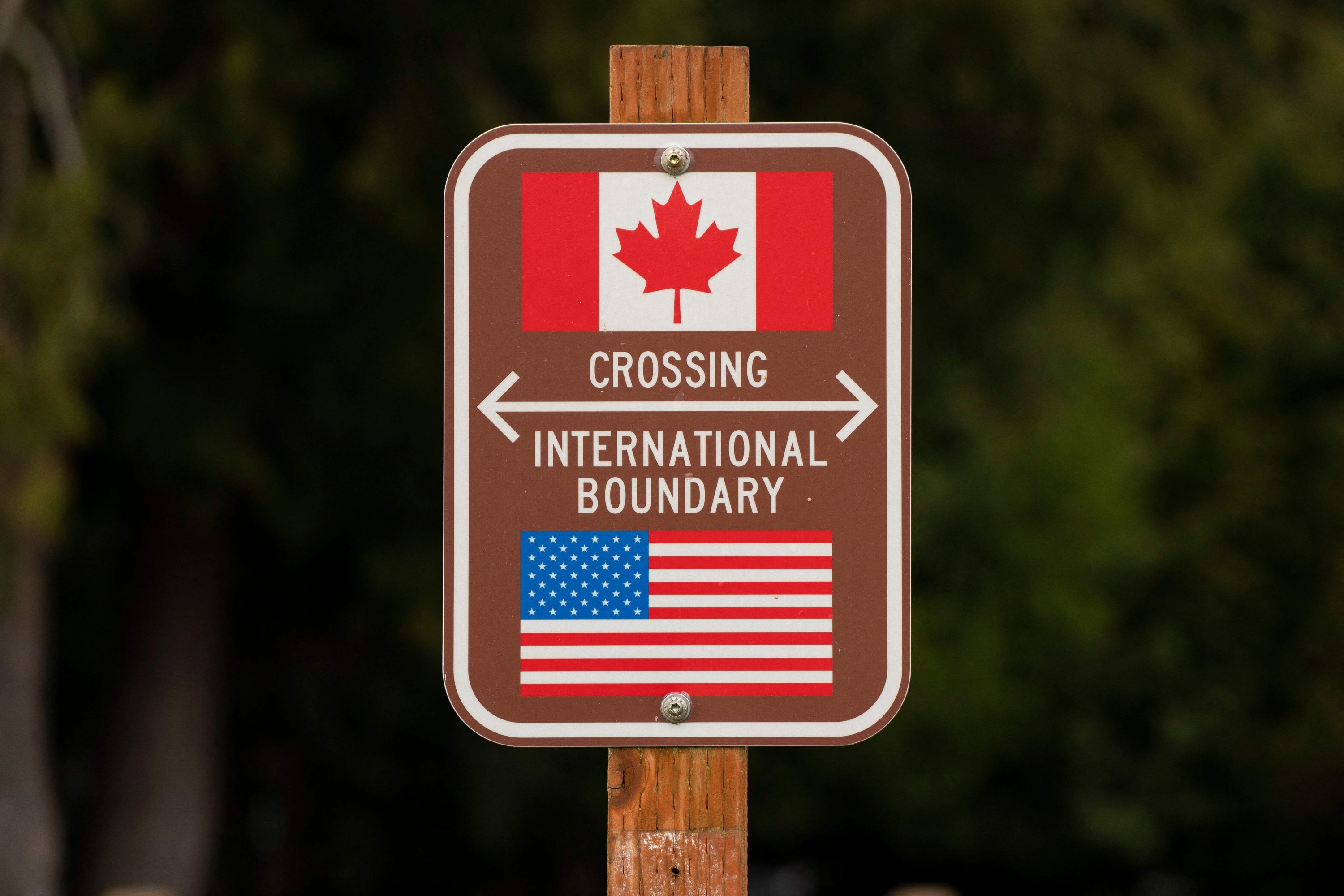
A sign marks the border between the United States and Canada at Peace Arch Park, Blaine, Washington, U.S., Feb. 1, 2025. (AFP Photo)
by Ömer Kayacı Feb 04, 2025 12:05 am

Trump's tariffs on Canada reflect the U.S.' prioritizing its interests above all against its competition with China

U.S. President Donald Trump’s latest tariffs on imports from Canada have been interpreted by a senior political figure as a form of “hostage-taking for leverage,” which could arguably be detrimental to the relations between the U.S. and its friendly neighbor. Not to mention its potential negative impact on the U.S. economy itself. However, it is not easy to see why the U.S. would need additional leverage on Canada when, as Trump keeps alleging, the U.S. “pays hundreds of billions of dollars” to “subsidize” it. After all, being a debtor in the empire’s ledger, much like being in debt to a mafia boss, means that whenever it tells you to do something, you will simply have to do it. This is certainly how the empire sees it anyway, as evidenced when, after a reporter asked him how he would be able to ethnically cleanse the people of Gaza and drive them out to Egypt despite Egypt’s rejection of this plan, Trump confidently claimed that Egypt would “do it" because the U.S. has done “a lot for them.”

What is it that the empire tells Canada to do, which it thinks Canada will have to do? In other words, what exactly is the additional leverage needed for? To strengthen Trump’s hand in negotiating the annexation of Canada as the 51st state of the U.S.? Trump’s interest in acquiring Greenland from Denmark or “taking back” the control of the Panama Canal is certainly serious (as confirmed by the U.S. Secretary of State Marco Rubio in a recent interview), but it is hard to believe that Trump would go so far as to lay his eyes on Canada. Is the imposition of tariffs really a means of annexation? Or, perhaps more plausibly, is it the other way around, i.e., that the talk of annexation has always been a means to find some excuse to impose these tariffs?

Trump’s obsession with tariffs has been no secret. “‘Tariffs’ is the most beautiful word to me in the dictionary,” he once said. It was anticipated that, in his administration, tariffs would largely replace the usual sanctions which, though similarly designed to harm the economy of the targeted country, do not directly benefit the economy of the empire itself. Trump seems to think that this is utterly foolish, and that harming others makes sense only if it benefits the empire economically. In a speech on his inauguration day, he had told the crowd that “tariffs are going to make us rich as hell.”

Recognizing that the U.S. is no longer the empire that it used to be, in large part due to its miserable state in the economic war against China, Trump seems to have embraced a protectionist path, as he had stated numerous times that he would. Of course, this is a peculiar type of protectionism – quite unlike China’s, for example. What is protected is not the wealth of the nation and its citizens, but that of a certain class of people, a lot of whom present themselves as “entrepreneurs.” Led by the likes of Elon Musk and Peter Thiel, they are looking to replace the financiers of old – and despite their wealth, they seem to need protection more than anyone.

The recognition of a multi-polar world order has other consequences too. In the aforementioned interview, Rubio expressed his regret that, after the end of the Cold War, the U.S. had “assumed the responsibility of becoming the global government.” Now, however, it appears to be ready to relinquish that role, instead focusing on “furthering the national interests of the U.S.” just like “the Chinese will do what is in the best interests of China.” It is worth noting that, after describing the supposed predatory nature of China’s global endeavors, Rubio lamented that China was doing what he would do, suggesting, perhaps inadvertently, that the perception of China in the U.S. has really been a projection of what the U.S. itself would like to be. In fact, this is precisely why China is already the winner of this competition, for the U.S. is forced to follow in its footsteps.


About the author
Researcher based in London
The views and opinions expressed in this article are solely those of the author. They do not necessarily reflect the editorial stance, values or position of Daily Sabah. The newspaper provides space for diverse perspectives as part of its commitment to open and informed public discussion.
  • shortlink copied
  • KEYWORDS
    donald trump tariffs canada us foreign policy us-china trade war china
    The Daily Sabah Newsletter
    Keep up to date with what’s happening in Turkey, it’s region and the world.
    You can unsubscribe at any time. By signing up you are agreeing to our Terms of Use and Privacy Policy. This site is protected by reCAPTCHA and the Google Privacy Policy and Terms of Service apply.
    No Image
    In photos: Clashes erupt at protest against police violence in Paris
    PHOTOGALLERY
    • POLITICS
    • Diplomacy
    • Legislation
    • War On Terror
    • EU Affairs
    • News Analysis
    • TÜRKİYE
    • Istanbul
    • Education
    • Investigations
    • Minorities
    • Diaspora
    • World
    • Mid-East
    • Europe
    • Americas
    • Asia Pacific
    • Africa
    • Syrian Crisis
    • İslamophobia
    • Business
    • Automotive
    • Economy
    • Energy
    • Finance
    • Tourism
    • Tech
    • Defense
    • Transportation
    • News Analysis
    • Lifestyle
    • Health
    • Environment
    • Travel
    • Food
    • Fashion
    • Science
    • Religion
    • History
    • Feature
    • Expat Corner
    • Arts
    • Cinema
    • Music
    • Events
    • Portrait
    • Performing Arts
    • Reviews
    • Sports
    • Football
    • Basketball
    • Motorsports
    • Tennis
    • Opinion
    • Columns
    • Op-Ed
    • Reader's Corner
    • Editorial
    • Photo gallery
    • DS TV
    • Jobs
    • privacy
    • about us
    • contact us
    • RSS
    © Turkuvaz Haberleşme ve Yayıncılık 2021