Wars are rarely contained to their battlefields. The missiles fly in one place but the consequences land somewhere else entirely. More than two weeks have passed since the U.S.-Israeli war on Iran started. The fighting is in the Middle East, but across South and Southeast Asia, in cities thousands of kilometers from the nearest front line, ordinary people are waking up to a quieter, slower-burning crisis of their own. Fuel is harder to find, prices are climbing, and businesses are shuttered. Governments are issuing emergency orders. The Iran war has arrived in Asia, not with explosions, but with empty pumps and rising bills.
The Strait of Hormuz is roughly 33 kilometers (20.5 miles) wide at its narrowest point. Through that gap passes 20 million barrels of oil every single day, which amounts to approximately one-fifth of the entire global supply. China, India, Japan and South Korea alone account for 75% of the oil and 59% of the liquified natural gas (LNG) that transits the strait.
When the Strait was effectively closed, the consequences hit Asian energy markets almost immediately. Brent crude surged 10 to 13%, reaching $80 to $82 per barrel by March 2, and briefly crossing $100 per barrel days later.
When Iranian drones struck Qatar's gas facilities, forcing QatarEnergy to halt all production. European natural gas prices nearly doubled in response. Asian spot LNG prices followed.
The International Monetary Fund (IMF) has been clear about what these numbers mean in practice. Every 10% rise in oil prices, if sustained over a year, pushes global inflation up by 0.4 percentage points and reduces worldwide economic output by up to 0.2%.
For Asia's energy-importing nations, the Strait being closed is not a statistic. It is the difference between a functioning economy and one in triage. The countries most exposed, Pakistan, Bangladesh, South Korea, Japan and the Philippines, have no domestic alternative to turn to.
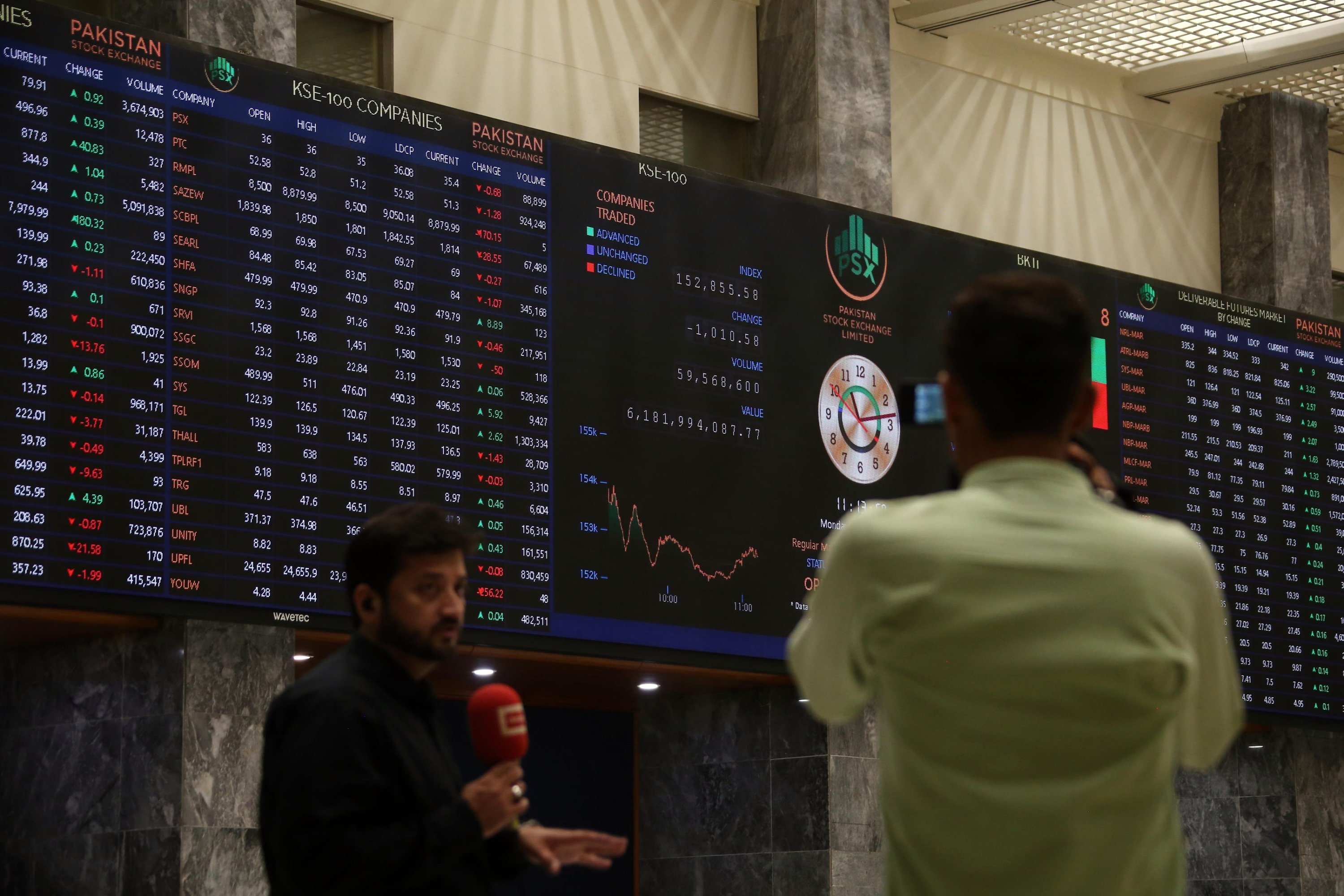
Pakistan imports 40% of its energy needs and relies heavily on LNG from Qatar, supplies now cut off entirely. Economists have noted that Pakistan's central bank, rather than cutting interest rates to ease pressure on households, will likely have to raise them, because surging energy costs are feeding directly into an inflation rate that was already uncomfortable before the war started.
The economic pressure is compounding a security issue. Pakistan's western border with Iran, historically porous and volatile, is now a zone of active instability. The Pakistani government has warned publicly that it fears cross-border spillover into the western Balochistan province. Islamabad has formally opposed the U.S.-Israeli strikes and has stated that the conflict risks being absorbed into its own border tensions with both Iran and India. A country already managing an economic recovery and tensions with neighboring countries is now facing a multifront crisis.
Bangladesh has no domestic oil production of consequence. It imports the overwhelming bulk of its petroleum products and had limited strategic reserves going into this crisis.
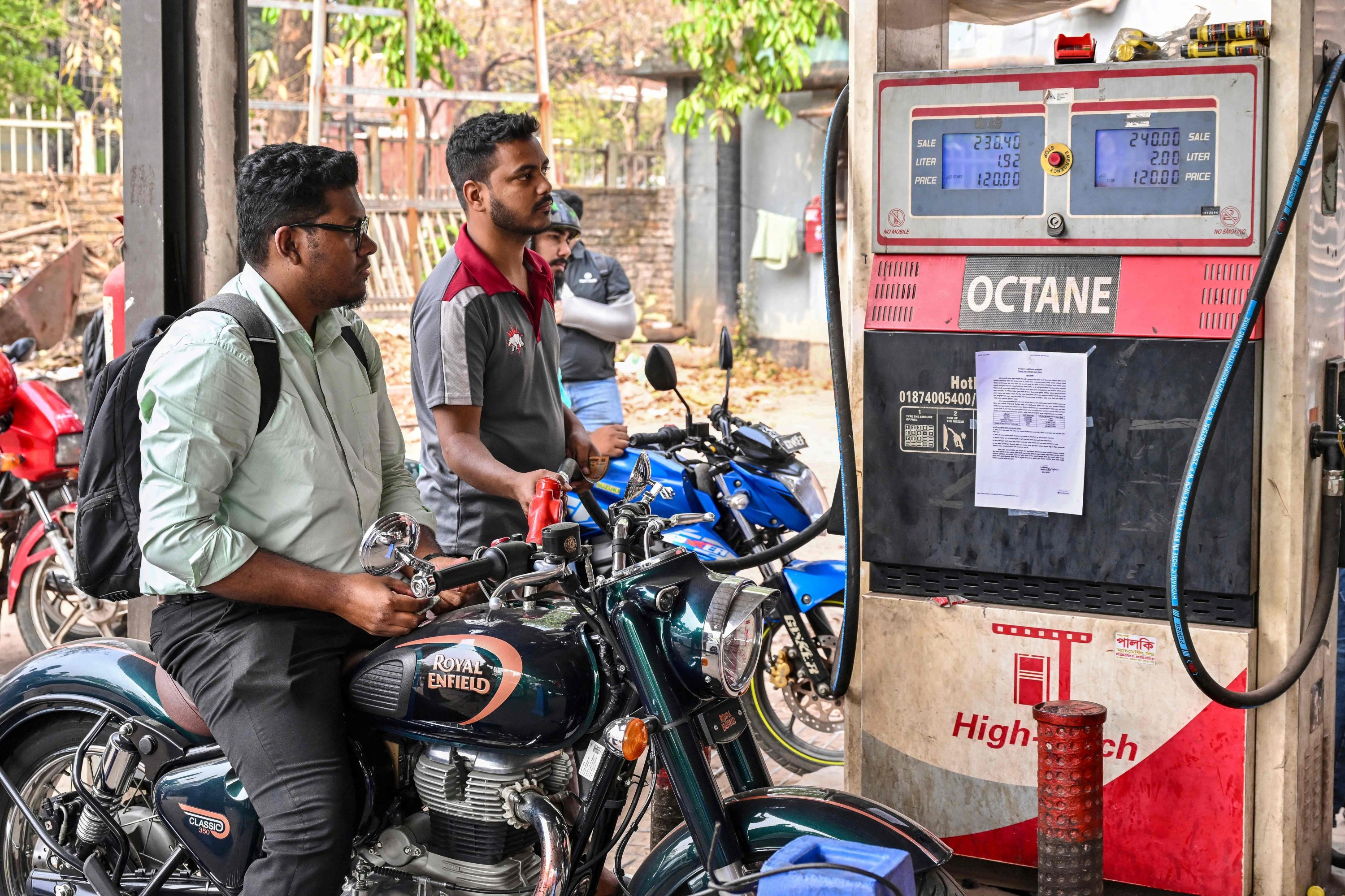
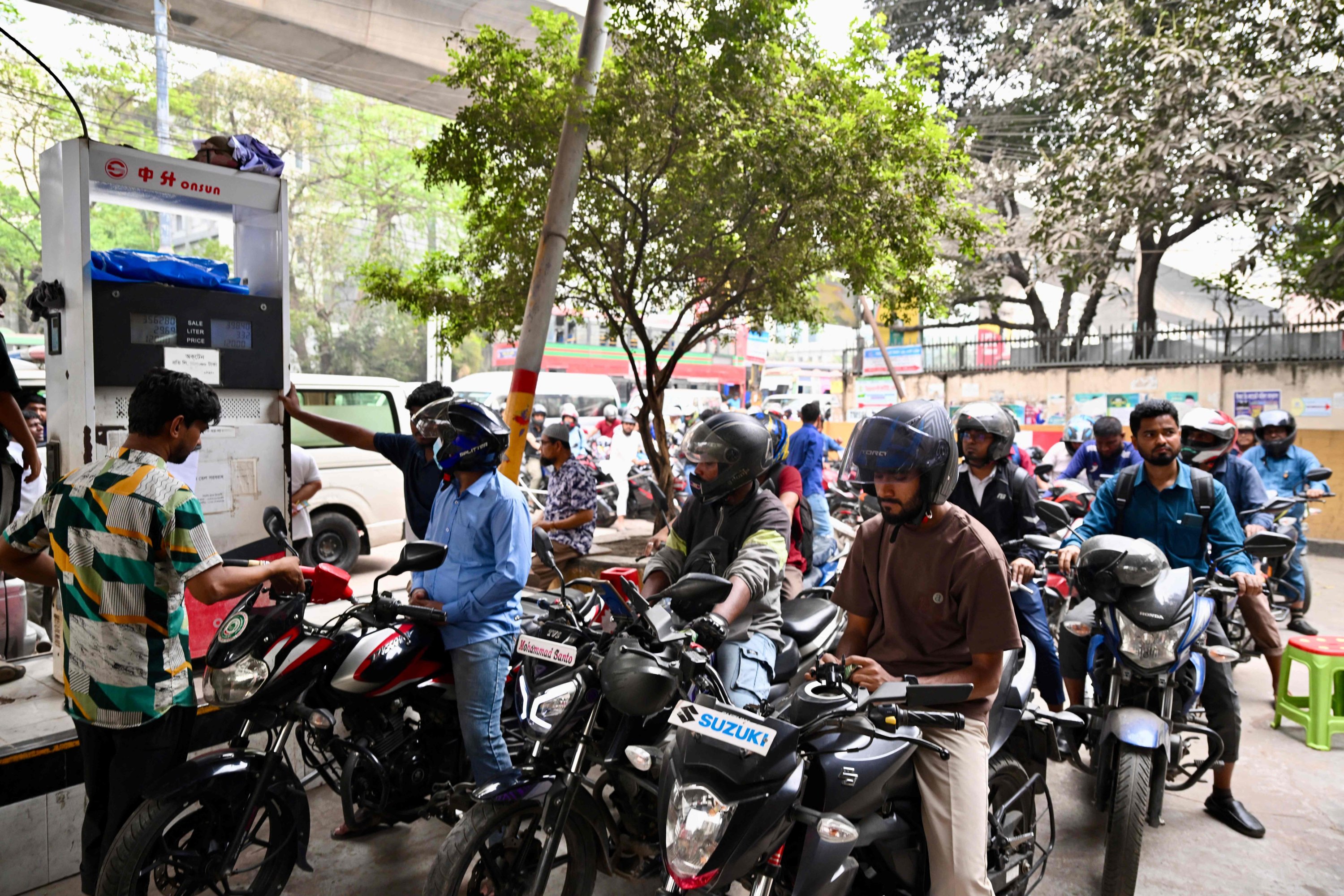
Within days of the war starting, long queues formed at Dhaka petrol stations. By March 5, the Bangladesh Petroleum Corporation had imposed rationing limits on refueling, the first such measure in years, to prevent hoarding. Daily movement in the capital has been visibly disrupted. Buses have cut routes. Businesses that depend on generators are reducing hours.
Bangladesh spent years emerging as a global development success story, driven largely by its garment export sector and consistent gross domestic product (GDP) growth. That progress sits on a foundation that was always dependent on affordable imported energy. The war has arrived at a moment when the government has little fiscal room and fewer good options.
Across the region, governments have been introducing measures at a speed that reflects genuine urgency.
In the Philippines, some government agencies have shifted to a temporary four-day workweek. In Thailand, the government has suspended overseas travel for all civil servants and is urging people to take stairs rather than lifts. Vietnam is promoting remote work and reduced car use. In India, restaurants are already warning of potential closures as the government prioritises cooking gas supplies for households over commercial users.
Experts have identified Thailand, India, South Korea and the Philippines as the Asian economies most structurally exposed to this oil price shock. South Korea and Japan, the world's third and fourth largest LNG importers respectively, are now paying spot prices for energy that were inconceivable even a month ago. Both countries had built their entire industrial models around reliable, affordable Gulf energy. That model is now under stress.
None of these countries can pump their own oil. None can replace Qatari LNG on short notice. None can reroute supply chains built over decades around Gulf energy infrastructure. What they can do, and are doing, is manage demand, ration supplies, appeal to international institutions and wait. Whether the measures will make a meaningful difference, at this point, is uncertain.
What is not uncertain, two weeks into this conflict, is the breadth of its reach. The Iran war is not a contained regional event. Its economic consequences are already global in scale and uneven in their weight. The countries bearing the heaviest load are, in most cases, the ones least equipped to carry it.