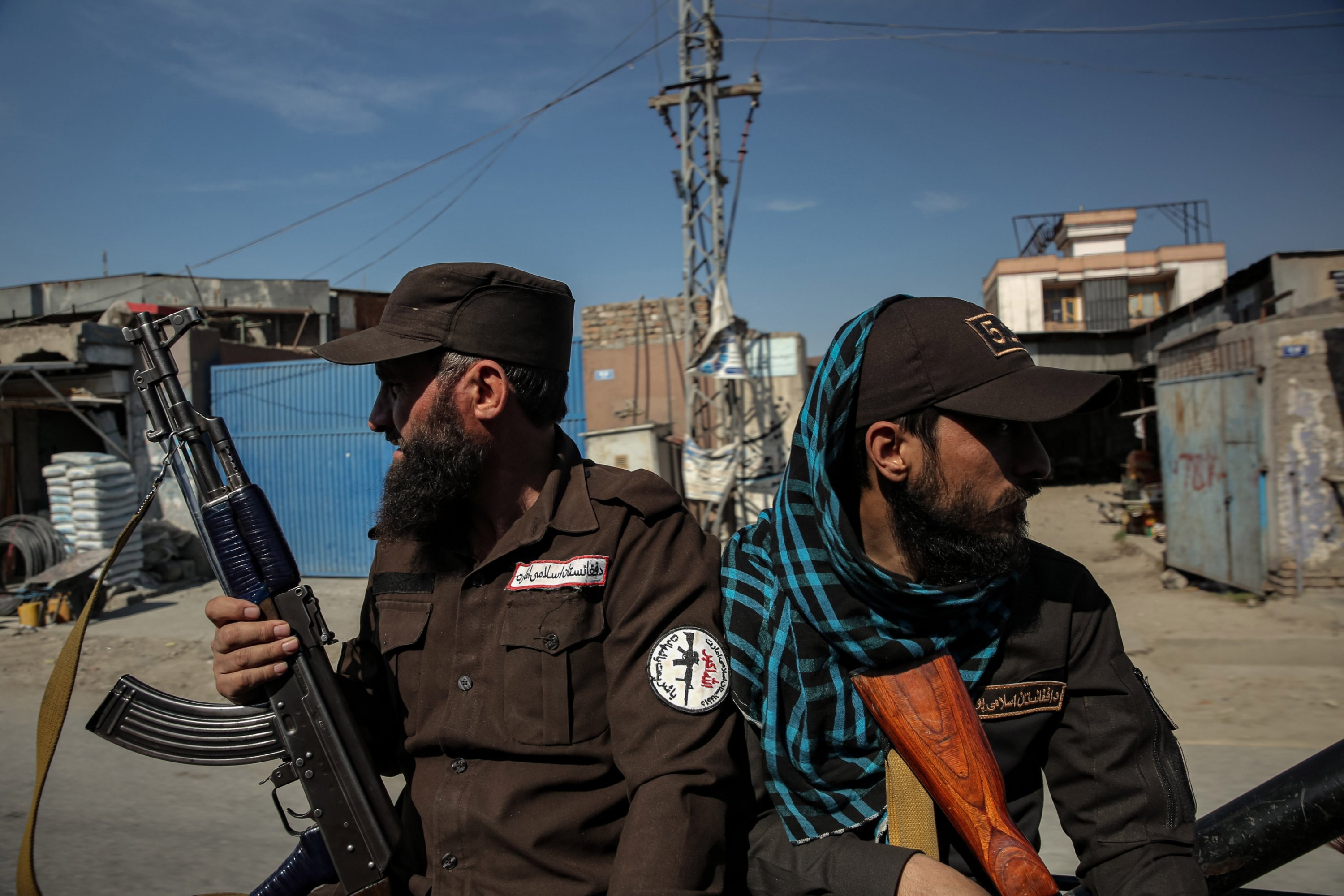
Afghanistan and Pakistan are once again at war. The Doha cease-fire of Oct. 19, 2025, after four days of sustained hostilities along the Durand Line, proved short-lived. The structural causes of the conflict remain unresolved, and despite mediation by Türkiye and Qatar and follow-up talks in Istanbul, serious air and ground clashes had resumed across the border by late February 2026.
This confrontation unfolds within a wider arc of instability stretching across the Muslim world, from Yemen and Sudan to Libya, Syria, Iraq and Lebanon. The broader Middle East has been further destabilized by the escalating confrontation between Iran and the United States, alongside Israel, culminating in large-scale joint U.S.-Israeli strikes on Iran on Feb. 28, and sweeping retaliation across the region. Gulf states and parts of the Levant have been drawn into the fallout. This recurrence of war across multiple fronts exhibits deeper geopolitical currents reshaping the region and leaving little space for equilibrium.
Against this backdrop, Pakistan’s border provinces of Khyber Pakhtunkhwa and Balochistan have experienced a sharp escalation of violence since October 2025. Factions of the Tehreek-e-Taliban Pakistan (TTP), along with the Balochistan Liberation Army (BLA), have mounted coordinated assaults on security installations, suicide bombings against Frontier Corps convoys, targeted killings, improvised explosive device attacks and strikes on infrastructure linked to the China-Pakistan Economic Corridor. Militants have demonstrated growing sophistication, including cross-border mobility and coordinated night operations.
Islamabad has repeatedly accused the Afghan authorities of permitting TTP commanders to operate from sanctuaries inside Afghanistan. Kabul denies formal sponsorship, yet the scale and persistence of attacks suggest that safe havens beyond Pakistan’s borders remain a decisive enabling factor. Since the Taliban returned to power in August 2021, Pakistan has attempted multiple approaches: diplomatic delegations, military-to-military engagement, appeals through religious scholars, intelligence-sharing proposals, border fencing, tighter crossing controls and limited cross-border strikes. These measures have yielded only partial results.
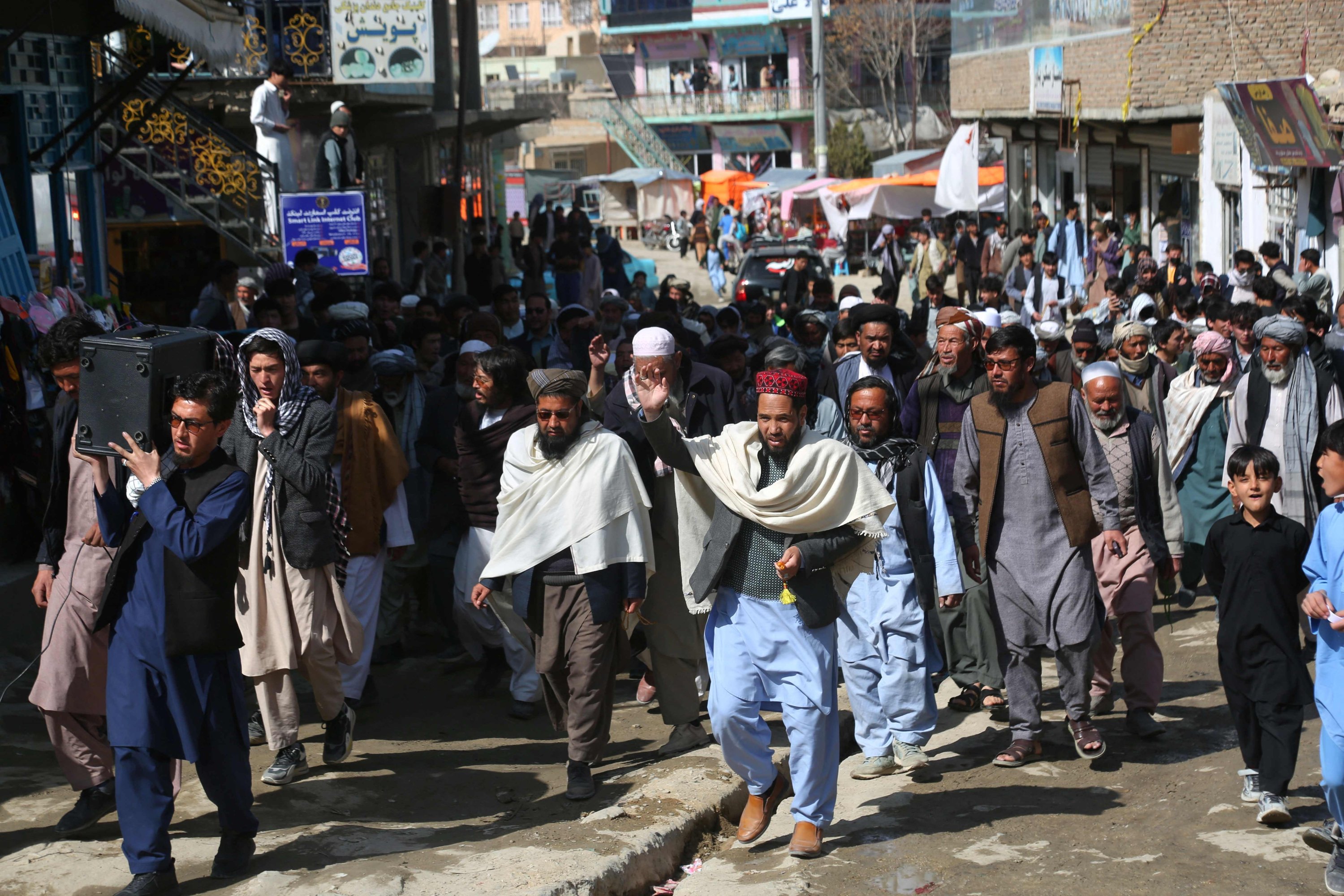
The roots of the impasse lie in ideological affinity, tribal overlap across the Pashtun belt and bonds forged during the resistance against U.S. and NATO forces, when TTP fighters operated alongside Afghan Taliban units. For segments of the Taliban leadership, decisive action against the TTP risks internal fracture and alienation of hardline commanders who view them as comrades rather than foreign militants. Allegations of tacit tolerance toward Baloch insurgents are more perplexing, given the absence of ethnic or ideological convergence; if space exists, it may reflect tactical leverage rather than mere doctrinal alignment.
Complicating matters is the apparent fragmentation within the Taliban’s own power structure. A divide is widely perceived between the Kandahar-based leadership centered on Supreme Leader Hibatullah Akhundzada and a more pragmatic administrative circle in Kabul responsible for governance and external relations. Akhundzada is seen as doctrinally rigid, prioritizing ideological cohesion over diplomatic accommodation. By contrast, figures in Kabul appear more conscious that continued tolerance of cross-border militancy undermines prospects for international legitimacy and economic normalization.
Under the Doha Agreement of February 2020, the Taliban committed to preventing Afghan soil from being used to threaten other states. While interpretations differ and enforcement is weak, Islamabad invokes this commitment to argue that Kabul bears responsibility for restraining anti-Pakistan groups. The resulting tension between ideological solidarity and sovereign obligation exposes the structural fault line within the regime.
Pakistan’s decision to conduct aerial strikes deep inside Afghanistan emphasizes an unprecedented rupture. These operations, targeting alleged militant infrastructure, are intended to coerce behavioral change, to signal that permitting anti-Pakistan militancy carries tangible costs. Whether coercion will succeed remains uncertain. Air power can disrupt networks, yet insurgent ecosystems embedded in cross-border social and ideological ties are rarely dismantled by force alone.
The Taliban, still transitioning to governance, may interpret pressure through the prism of resistance. The enduring Afghan narrative of being the “graveyard of empires,” reinforced by the Soviet withdrawal and the U.S. exit, can foster a sense of strategic resilience. Yet, resisting occupation and managing relations with a neighboring sovereign state are fundamentally different enterprises. An insurgency thrives on asymmetry; a government must balance security with economic survival, diplomatic recognition and regional interdependence.
For Islamabad, the dilemma is acute. It must neutralize the TTP threat without sliding into prolonged interstate hostility. Pakistan cannot afford sustained instability on both its eastern frontier with India and its western border with Afghanistan. Simultaneously, the wider regional environment is destabilized by the war involving Iran and the U.S. Although Pakistan’s bilateral ties with Iran are not inherently strained, conflict involving a neighboring state generates spillover risks, refugee movements, sectarian tensions, border pressures and economic disruption. Even indirect exposure to regional war stretches resources and narrows diplomatic space.
Strategically, Pakistan’s objectives appear threefold: raise the cost of sanctuary for anti-Pakistan militants, compel enforcement of cross-border restrictions, and restore deterrence without triggering full-scale war. Achieving these aims requires calibrated signaling, limited force combined with sustained diplomatic engagement and possibly third-party mediation. Escalation without a political strategy risks strengthening hard-liners within the Taliban and deepening Afghan nationalism against external pressure.
Ultimately, the crisis turns on whether coercion can be paired with dialogue. Geography binds the two states together. Any sustainable security architecture must reconcile immediate counterterror imperatives with long-term coexistence.
Absent a substantive shift, particularly regarding the TTP, cycles of strike and retaliation may persist. The gravest cost will fall on Afghanistan’s population, which has endured near-continuous conflict since 1973. Unless insurgent absolutism yields to responsible statecraft, the region risks remaining trapped in a prolonged, low-grade war that neither side can decisively win, yet neither can afford to ignore.