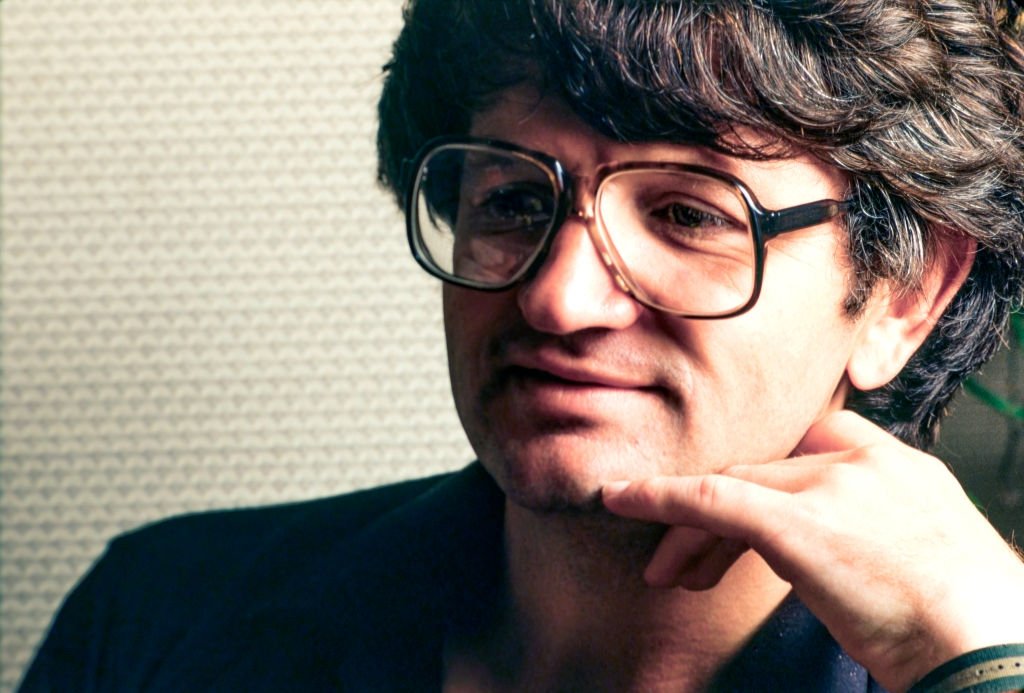
In the dim constellation of American intellectuals, Steve Tesich burns quietly, uncelebrated, yet incandescent. A playwright, screenwriter, essayist and witness to the brutal truths of the 20th century, he understood what too many chose to forget: History does not whisper, it screams, and we often turn away.
Born in Nazi-occupied Yugoslavia in 1942, Tesich grew up under the shadow of tyranny, bearing the scars of war and displacement. When he arrived in the U.S., he carried more than gratitude. He carried questions. Awkward, inconvenient questions. The kind that made comfortable people squirm.
Tesich was never a cynic, though he knew cynicism intimately. Nor was he naive; he had seen too much to believe in simple redemptions. He stood in the chasm between suffering and idealism, insisting that decency was not a luxury but a duty. His art, whether on stage or screen, was a quiet defiance, an attempt to retrieve conscience from the ruins.
His most well-known work, the Oscar-winning "Breaking Away," was a parable of dignity and class, a triumph of the ordinary against the machinery of ambition. But his most searing legacy lies in a lesser-known essay, "A Government of Lies," published in The Nation in 1992. It was not merely commentary; it was elegy and prophecy.
Tesich saw what others would not: that the true danger in American life wasn’t deception, it was desire. The desire to be lied to. After Watergate, Iran-Contra and the Gulf War, the public had grown tired of the truth. “We are free to be the authors of our own lives,” he wrote, “but we choose to have others write our story for us.” The lie had become a kind of narcotic. And we were hooked.
He was speaking of America. But he was warning the world.
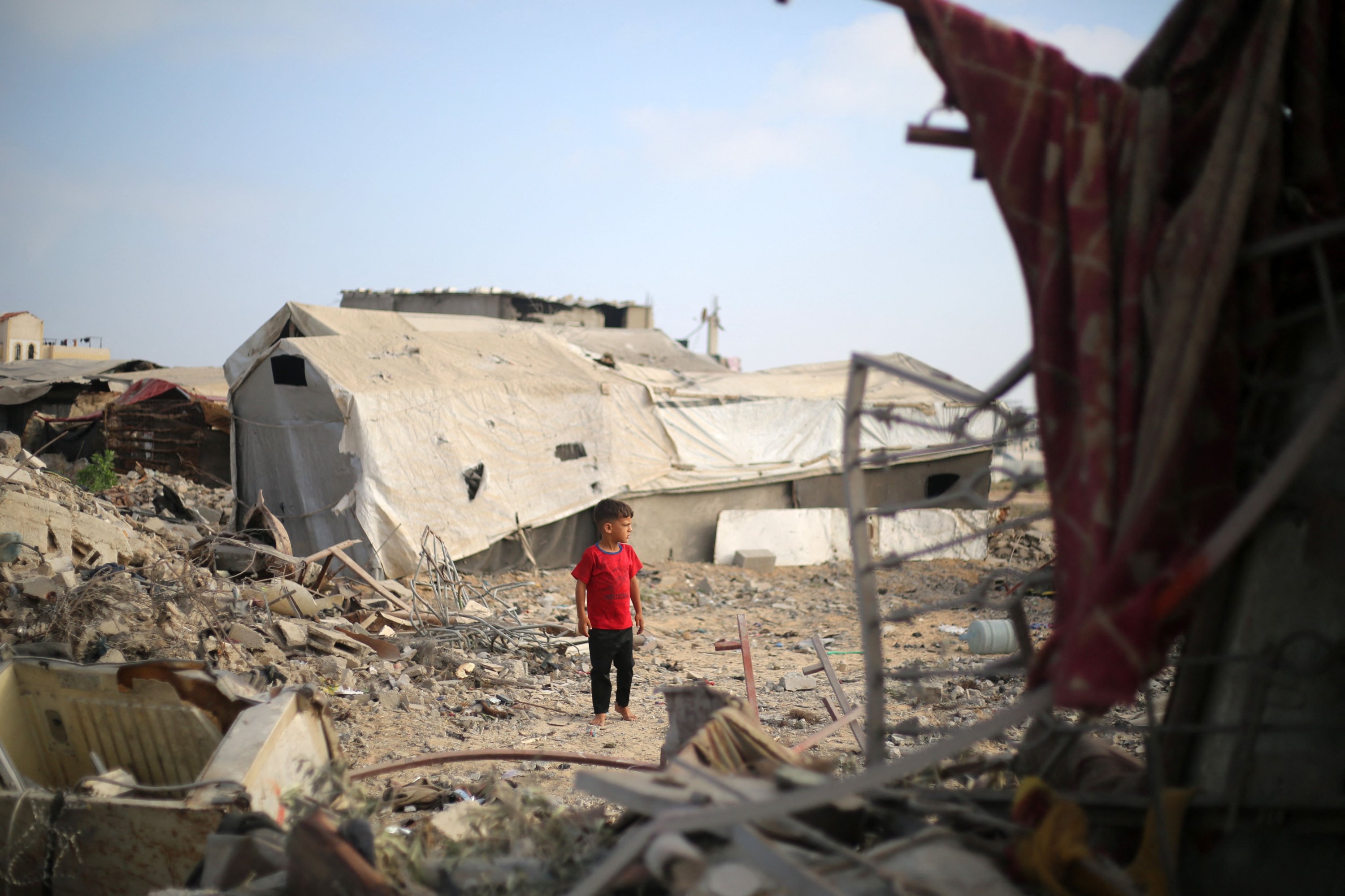
Today, we live in the landscape Tesich feared: a world where horror arrives in high definition, where bombs fall on civilians while officials call for “restraint,” where genocide is livestreamed and described as “security.” A world where the murder of children is met not with outrage, but with silence calibrated for political convenience.
What Tesich predicted has come to pass, not the erosion of public trust, but its burial. With our consent.
Governments lie. That is not new. What is new is the absence of shame. Tesich believed truth was redemptive, even if it burned. He feared a society that no longer wanted truth, because truth demands responsibility. It demands reckoning. And nowhere is this more visible than in Gaza.
There, we are watching the systematic destruction of a people. More than 56,500 killed. At least 18,000 children among them. Entire families erased from history. Hospitals reduced to ash. Humanitarian convoys obliterated. Parents writing names on their children's limbs, to identify them after the next airstrike. This is not war. This is annihilation.
And the world, our world, turns away. Western leaders release statements about “both sides.” Reporters are killed, and their deaths are counted as logistical errors. International law is mocked in daylight, and diplomacy offers a shrug. This is not a moment of outrage. It is a moment of consent, consent to barbarism, signed in silence.
The victims are not anonymous. They plead through shattered phones, through flickering signals, through the last messages they may ever send. They are not only asking for water or food. They are asking us to see, to feel, to care.
But we have grown fluent in the language of human rights, even as we gut it of meaning. World leaders once marched for justice; now they trip over euphemisms. Institutions forged from the ashes of Auschwitz and Rwanda stand paralyzed. Those who speak the truth are fired, blacklisted, branded extremists. This is the age Tesich warned of: an era not merely of lies, but of chosen lies. Lies we wrap around ourselves like comfort. Lies we wear to avoid the nakedness of moral clarity.
Tesich never wrote with rage. He wrote with sorrow. He believed in the stubborn worth of truth, even when it wounded. But he also knew how quickly people abandon it when truth demands action, when it stains the hands. His great revelation wasn’t that governments deceive. It was that people will eventually beg for the lie, if it spares them from having to see what’s done in their name. Now, as Gaza is bombed, starved and buried, we face that same choice.
We can repeat the fiction: that this is complex, that there’s nothing to be done, that international law bends when we need it to. Or we can confront what is plain. People are being dismantled, and we are letting it happen.
Tesich wrote that democracy without truth is theater. And this theater has gone global. The scripts are well-rehearsed: the concern, the condemnation, the promises of review. And then, silence. But it is not too late to reject the script.
Tesich’s legacy is not one of despair, but defiance. He reminded us that truth has no substitute. That silence in the face of murder is not neutrality, it is complicity. That the first act of resistance is to say what is true, even when it hurts.
He was not ahead of his time; we were simply behind. And now, as we stand in the wreckage of collapsed institutions, broken alliances and moral cowardice, his words return like a ghost: “We lost something precious. And we didn’t even fight for it.” Gaza is not a “conflict.” It is not a “security measure.” It is a humanitarian catastrophe. A moral disgrace. A collapse of the world’s conscience. And if we cannot say that, without stammering, without balance, without apology, then we are no longer worthy of the word “civilized.”