Sudan is, alongside Gaza, one of the countries experiencing the gravest humanitarian crisis of the 21st century. Yet the crisis in Sudan is not new. For the past 18 months, the country has endured an intense and deepening humanitarian emergency. Thirty months have passed since the war between the Sudanese Armed Forces (SAF) and the Rapid Support Forces (RSF) began. The crisis in Sudan has now reached a point where, in terms of its scale, complexity and the destruction created by external interference, the country is facing an unprecedented humanitarian disaster.
When we look at the figures, it becomes immediately clear that we are confronted with a catastrophe. There have been more than 150,000 deaths, over 13 million people have been displaced, and roughly 25 million people are struggling with acute hunger. According to the Global Humanitarian Overview 2025, only one-quarter of the required humanitarian funding has been met. This reflects not only material insufficiencies but also a profound humanitarian and moral vacuum on the global level.
It is also a stark reality that hunger is being used as a weapon in Sudan, and food insecurity has become a deliberate war strategy. Specifically in Darfur and Kordofan, the points where supply routes intersect have taken on even greater importance. The isolation of supply corridors has created serious access problems to these regions, particularly to el-Fasher and Bara. With the latest developments, some parts of Darfur have already reached Phase 5 of the IPC scale – that is, full-fledged famine conditions. Local populations are being forcibly displaced, pushed into mass flight, subjected to ethnic cleansing, and faced with the deliberate destruction of irrigation systems. As these systems have been damaged, agricultural production has collapsed, and existing hunger and drought have worsened. As a result, soaring inflation has made access to basic food commodities almost impossible.
Thus, the use of hunger as a kind of weapon marks a qualitative rupture in the humanitarian dynamics of the war. When we consider that humanitarian and emergency aid is consciously denied to people perceived as sympathetic to the Sudanese army, we see that power is being turned into a political instrument. The RSF’s tactical approach in this regard completely destroys social trust at a certain point and triggers a process that sharply escalates tensions within society. It opens the door to the spread of vengeful sentiments and the likelihood that, in the future, actors will move with an entrenched desire for revenge. Moreover, dependency on external aid mechanisms, which were already collapsing, has increased even further. In short, this process is not simply about hunger or food shortages; it is about the strategic, systematic and deliberate collapse of the very sources of life.
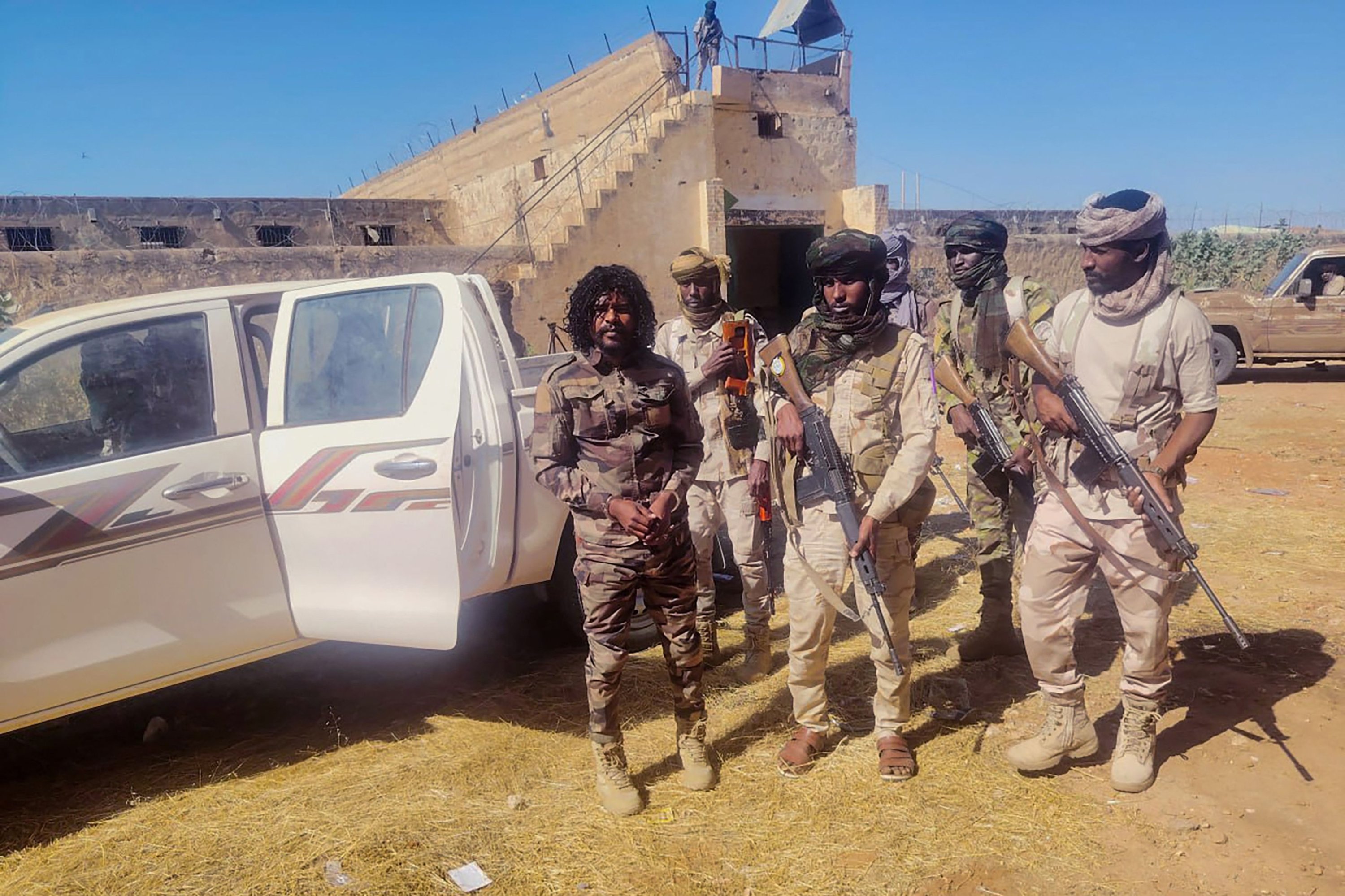
In Sudan, especially in the western part of the country, the health system, which functioned imperfectly but at least operated, has almost completely collapsed. Recent footage showing RSF fighters executing doctors, nurses, staff members and patients by firing squad inside a hospital demonstrates with concrete evidence that this militia force is committing crimes against humanity.
Almost all hospitals in conflict zones have been forced to cease operations. Most have been looted, bombed or turned into military bases by RSF militias. These actions by the RSF have made access to essential medicines extremely difficult and have effectively shattered the supply chain for vaccines and other medical materials. Additionally, field data brings to the fore allegations that the RSF has stolen chemicals from hospitals and used them, particularly in the production of drugs such as Captagon. On top of all this, the destruction of electricity systems and water infrastructure has further worsened health problems. Without electricity, vaccines that must be stored in cold conditions cannot be preserved; without clean water, it is impossible to protect people from outbreaks such as cholera and diarrhea.
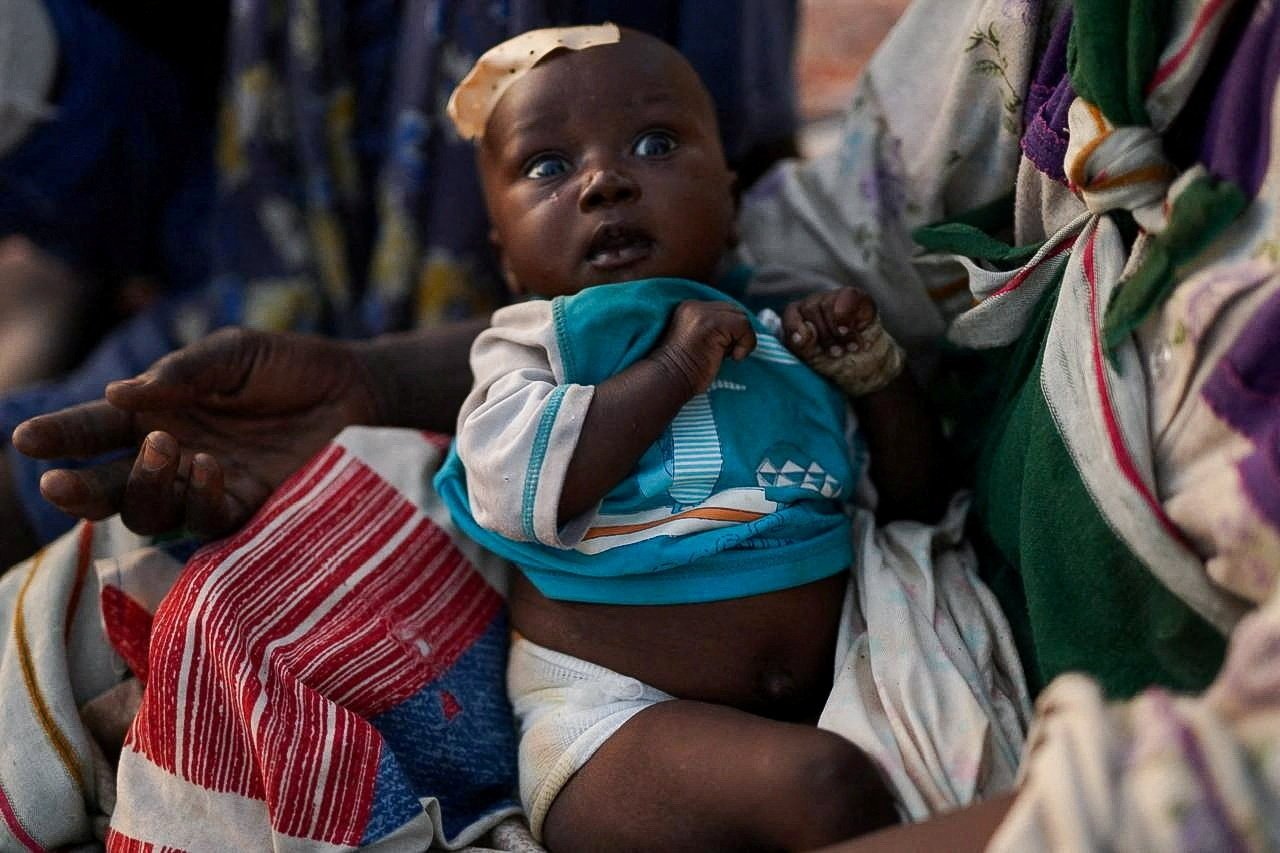
Just this year, the World Health Organization has reported large-scale cholera outbreaks in North Darfur, Gedaref and Blue Nile. Maternal and child mortality have also increased markedly due to the disappearance of maternal health services. At the same time, shortages in financial resources are disrupting humanitarian interventions. The convergence of all these factors is severely undermining civilian life and indeed collapsing the system entirely in areas under RSF control.
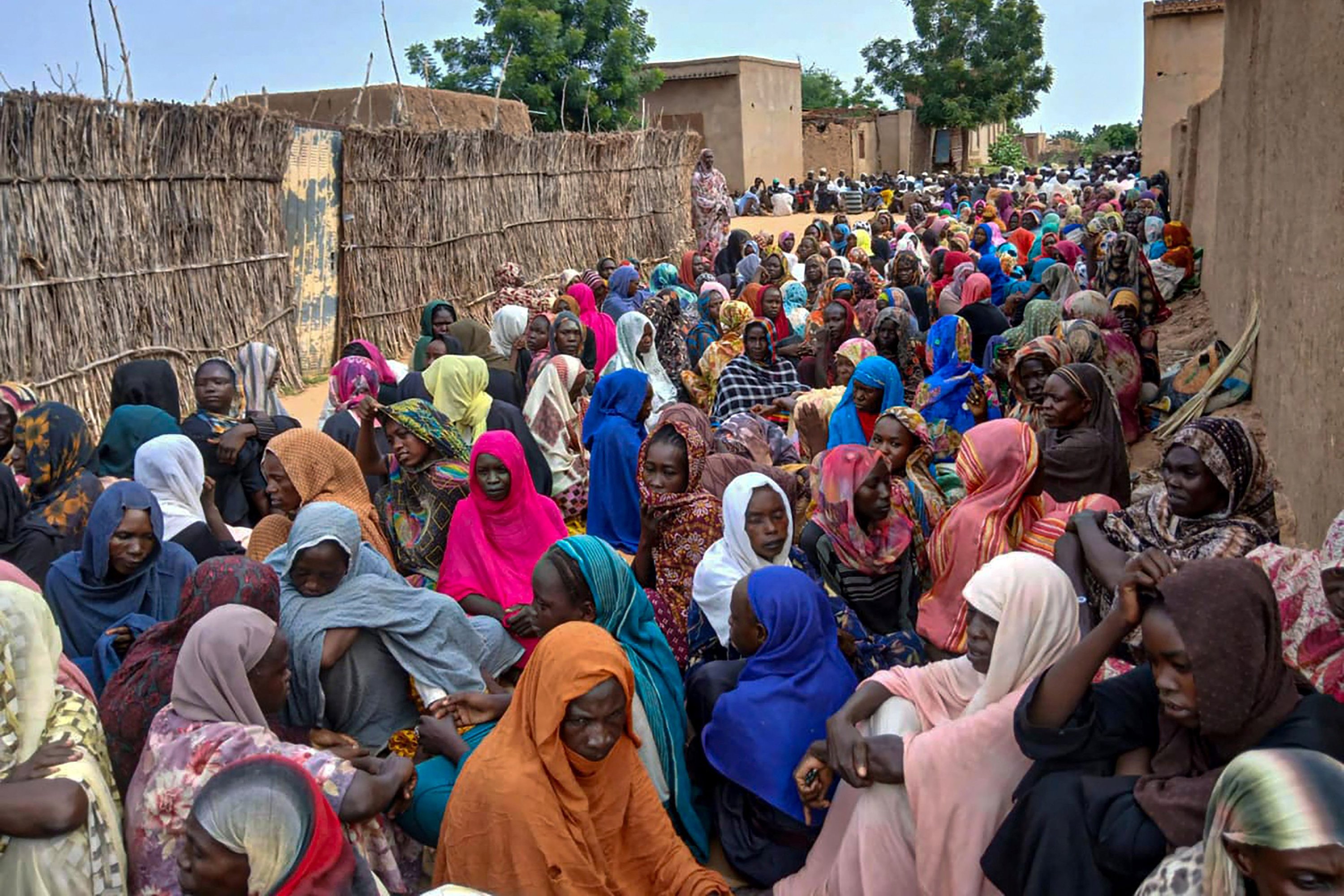
The forced displacement of more than 13 million Sudanese, both within the country and into neighboring states, has created the largest migration and displacement crisis in the world today. It is now widely known that many civilians are living in mosques, schools or, where possible, abandoned buildings. Furthermore, this displacement factor is making Sudan’s neighboring countries and the wider region more fragile. It carries the risk of destabilizing the sociological fabric of other states and triggering new internal crises.
In fact, displacement in Sudan has now moved toward a permanent dimension. There is a lasting transformation underway. This transformation is reshaping both the demographic and economic geography. The depopulation of rural areas and the destruction of urban centers have collapsed networks of social solidarity. And, as is so often the case, women and children are the most affected. They constitute the vast majority of displaced populations. Sexual violence has reached extreme levels, often carried out under orders openly issued by RSF’s female commanders. The risk in this area is increasing with each passing day. In short, the situation encompasses not only a struggle for bare survival but also the risk of a deep social collapse.
In a country like Sudan, rich in economic, cultural and natural resources, access to those very resources has become severely constrained. Particularly in Darfur, in areas held by the RSF, tons of gold are reportedly smuggled every year through illicit channels to various countries that pursue policies aimed at perpetuating the crisis in the region, thereby enriching themselves further.
At the same time, it is well known that aid convoys in the region must endure prolonged authorization processes, sometimes lasting weeks. Roads running from western Sudan to the east, namely, routes through Darfur and Kordofan are frequently closed. Over the more than 30 months that have passed since the outbreak of the war, more than 120 aid workers have been killed. In other words, at least four aid workers are killed each month by the RSF. Together with the inhumane policies implemented by Israel in Gaza, this figure ranks among the highest in the world.
All these conditions place additional burdens not only on local communities but also on civil society organizations that operate without protection. At the same time, the international community’s indifference toward the Sudan crisis has encouraged the RSF to act even more recklessly on the ground. In many ways, the ambiguity in the global system, the absence of global leadership, and the pains of systemic transformation lay bare the inadequacy of international intervention and contribute to the shrinking of the space available for neutral and principled humanitarian action.
This crisis now brings the difficulties of global governance into sharper focus. It also reveals the deep vulnerabilities embedded in the global humanitarian system. In Sudan, the approaches of both the RSF and its international backers reflect a foreign policy understanding that places no value on human life, further fueling the crisis. For societies with a conscience, raising their voices against this crisis is an essential humanitarian responsibility. The crimes against humanity committed in Sudan and the horrifying images that have emerged constitute a severe test for humanity as a whole. Learning from the genocides in Bosnia and Rwanda, urgently stopping the RSF in Sudan has become a critical moral benchmark.
The crisis in Sudan has moved beyond being merely a civil war. Sudan must now be read as a theater of struggle for regional and global actors. This reality, above all, imposes profound negative consequences on the people of Sudan. Thus, the inability to halt the RSF and the external powers that sustain this crisis, despite the crimes being committed against civilians, raises serious questions about the limits of international accountability and further undermines confidence in an international system already badly damaged. Despite clear documentation of violations of international law and war crimes, sanctions have been minimal, and those that exist have been ineffective.
In an environment where perpetrators act with impunity, where there is no deterrence, and where “getting away with it” has become the norm, civilians pay the price while the perpetrators are effectively protected. Organizations seeking to deliver humanitarian aid are essentially given an ultimatum: continue under these conditions or leave. This creates a perception that, within the current governance framework, there is no longer a meaningful balance of protection or a credible sense of responsibility to protect.
The Sudan crisis is a stark mirror of the paralysis in global governance and humanitarian perspectives. Yet, through its humanitarian policies, Türkiye continues, as it does across the world, to be a voice and a lifeline for the oppressed, including in Sudan.
While Sudan has suffered a profound social collapse amid international neglect, Türkiye has, from the beginning, stood by the Sudanese people. President Recep Tayyip Erdoğan’s efforts to draw attention to the crisis in Sudan at every platform in recent weeks, particularly in the face of mounting atrocities, are an important development in raising international awareness.
Türkiye is among the countries that have spoken out most forcefully against the massacres in el-Fasher. Public opinion in Türkiye has also shown deep concern and solidarity. Songs produced in Türkiye that highlight what the Sudanese people are going through during this period reflect this moral sensitivity. These expressions are, in fact, manifestations of the strong societal bonds between the two nations. From the level of political leadership down to the general public, Türkiye has followed the crisis in Sudan closely from the very beginning and has stood alongside its “brotherly” Sudanese people. The readiness of Turkish public opinion to support Sudan, in the belief that this crisis will one day come to an end, cannot be overlooked.
All these efforts demonstrate that the bonds of brotherhood between the peoples of Türkiye and Sudan are not merely a legacy of the past, but also an expression of a forward-looking will for solidarity. The moral sensitivity displayed today will also shape tomorrow’s diplomatic steps.