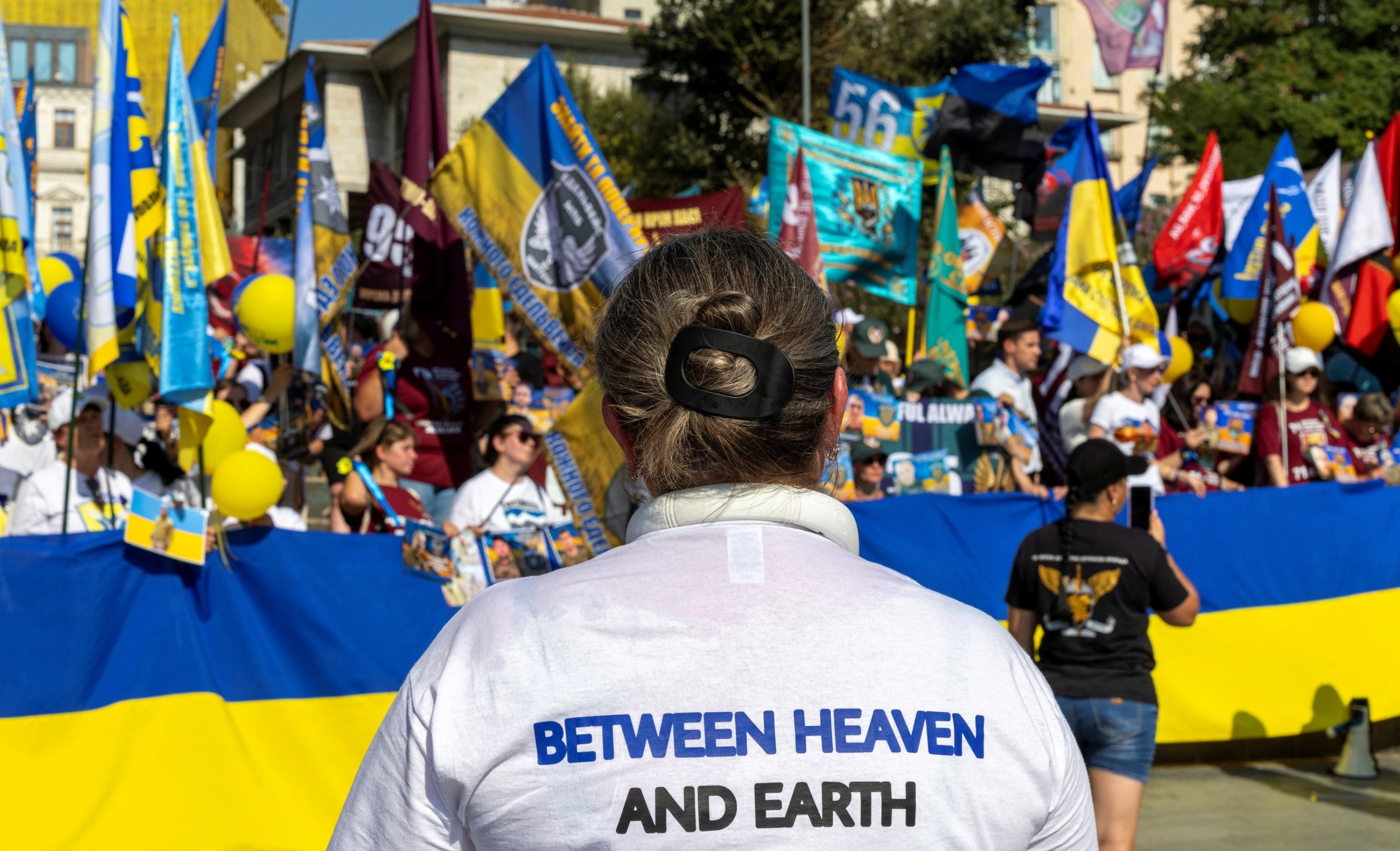
Today, Ukraine marks the 35th anniversary of its independence. On this day, perhaps more than ever, we understand the true price of freedom, of our own culture and language, and of the right to determine our own future.
The war against Ukraine has now lasted for 12 years. It began with Russia’s annexation of Crimea and the occupation of parts of Donbas, and escalated into Russia’s full-scale invasion in February 2022.
Only a few years ago, a full-scale war in the heart of Europe seemed almost unimaginable. Destroyed cities, constant air-raid sirens, millions of displaced people, shattered lives and families torn apart. This is the reality my country lives with today.
And yet Ukraine continues to fight for its right to exist, for life and for truth.
Our objective today is clear. Ukraine wants lasting, honest and just peace. A peace that will allow us to build schools and hospitals, bridges and roads. A peace that will allow us to plan the future of our children. A future without war, pain or suffering.
Even amid a full-scale war and constant attacks from land, sea and air, Ukraine remains one of the world’s major food suppliers. We continue to export our grain, including to countries in Africa and the Middle East. Even under these conditions, we are ready to work with our partners to prevent Russia from turning food into an instrument of political pressure and blackmail.
As recent weeks have once again demonstrated, freedom and security of navigation in the Black Sea are key issues for international security. Russia continues its systematic attacks on civilian vessels carrying food and other non-military goods. Ukraine’s position is clear: we are ready for a cease-fire at sea. Russia’s response, unfortunately, has been equally clear: continued strikes against civilian port infrastructure and civilian shipping.
Our task remains unchanged: to compel the Kremlin to engage seriously at the negotiating table. This war can only be brought to an end through direct negotiations among all relevant parties aimed at achieving a lasting and comprehensive peace that will end the largest armed conflict in Europe since the Second World War.
To make such diplomacy possible, Ukraine continues to demonstrate tangible results on the battlefield. Since the beginning of this year, almost 750 square kilometers (289.58 square miles) of Ukrainian territory have been liberated. Russia has been forced, in practical terms, to withdraw much of its Black Sea Fleet from temporarily occupied Crimea, while Ukraine continues to strike facilities supporting Russia’s defense industry deep inside Russian territory.
Unfortunately, Russia’s actions continue to demonstrate its unwillingness to pursue peace. In July alone, Russian attacks killed 437 civilians, including 16 children, and injured more than 2,600 people, many of them children.
Over the past week alone, Russia launched more than 1,500 drones, 60 missiles and 1,500 guided aerial bombs against Ukraine. The targets included Ukraine’s largest book market, schools, kindergartens, hospitals, buses, grain elevators and critical infrastructure. This is deliberate terror against peaceful communities, against civilians, innocent women and children. I say this not only as a diplomat, but also as a father of two sons who spent four years in Kyiv during some of Russia’s most intense missile attacks on civilian targets.
Russia also continues to receive significant quantities of North Korean weaponry. At the same time, the number of mercenaries from African countries and military personnel from the Democratic People’s Republic of Korea has increased. This is further evidence that this war is not only about Ukraine. It is about the free world and the right of nations to remain independent.
It is also another sign of Russia’s weakness. The self-proclaimed "second army in the world" has become critically dependent on supplies of weapons and personnel from North Korea.
Ukraine remains standing and continues its struggle thanks to the Armed Forces of Ukraine, the courage and determination of ordinary Ukrainians, and the support of our partners. For me personally, having lived and worked in Türkiye for many years, the support of the Turkish people carries particular meaning. Turkish society has a deep tradition of standing with those who suffer aggression and injustice. Ukrainians have experienced that solidarity firsthand.
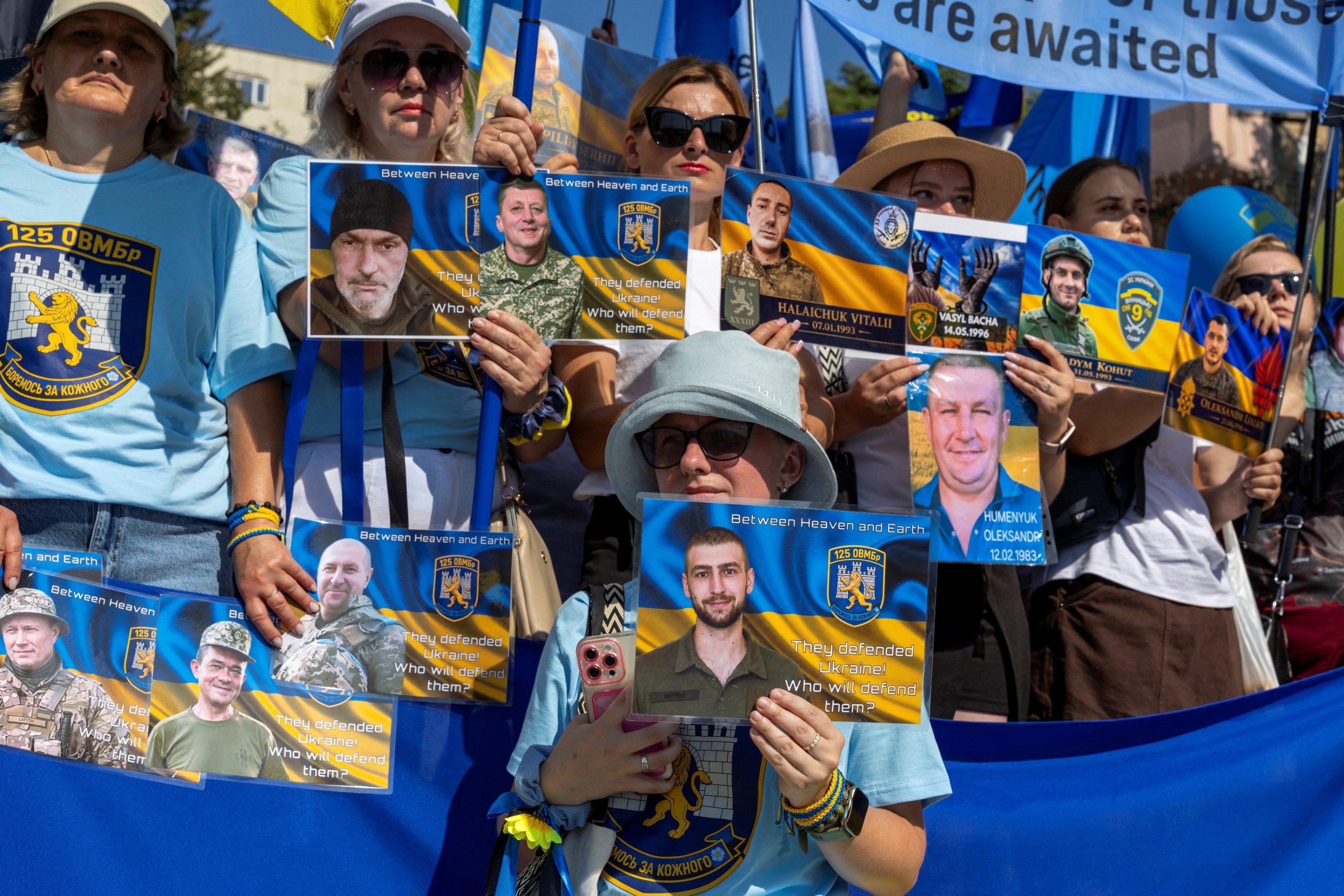
Since 2014, from the very beginning of this war, Ankara has consistently and unequivocally supported Ukraine’s territorial integrity and independence, provided humanitarian assistance and helped facilitate the return of Ukrainian servicemen from Russian captivity. Türkiye’s mediation efforts deserve particular recognition. Türkiye succeeded in hosting three rounds of negotiations in 2025 and played a central role in the Black Sea Grain Initiative, whose essential purpose was to deliver food to people who urgently needed it, particularly in Africa and the Middle East.
This demonstrates a genuine commitment to peace not only in Ukraine but across the wider region – a sincere desire to stabilize the situation and bring an end to a war whose purpose the aggressor itself still cannot credibly explain. We value this constructive approach. I believe Türkiye can continue to serve as a reliable mediator as the peace process moves forward.
Ukraine, for its part, is ready for negotiations without preconditions, anywhere in the world and at any time. Our objective is peace: peace for decades to come; peace grounded in clear rules for the international community; peace strong enough to prevent future aggression and future wars.
We fully understand the scale of the threat and the responsibility before us. We know that enormous work still lies ahead: rebuilding Ukraine’s cities, towns and infrastructure. But our most important hope is simple: to celebrate our next Independence Day in a peaceful Ukraine, a free and independent country without air-raid sirens.