When China's President Xi Jinping said “the people should always come first,” he stressed the importance of accurate targeted measures employed in curbing the spread of the pandemic. What he tries to convey to the public is the confidence of the government in adherence to the dynamic zero-COVID-19 policy while showing the humanitarian concerns for the people in the battle for pandemic control.
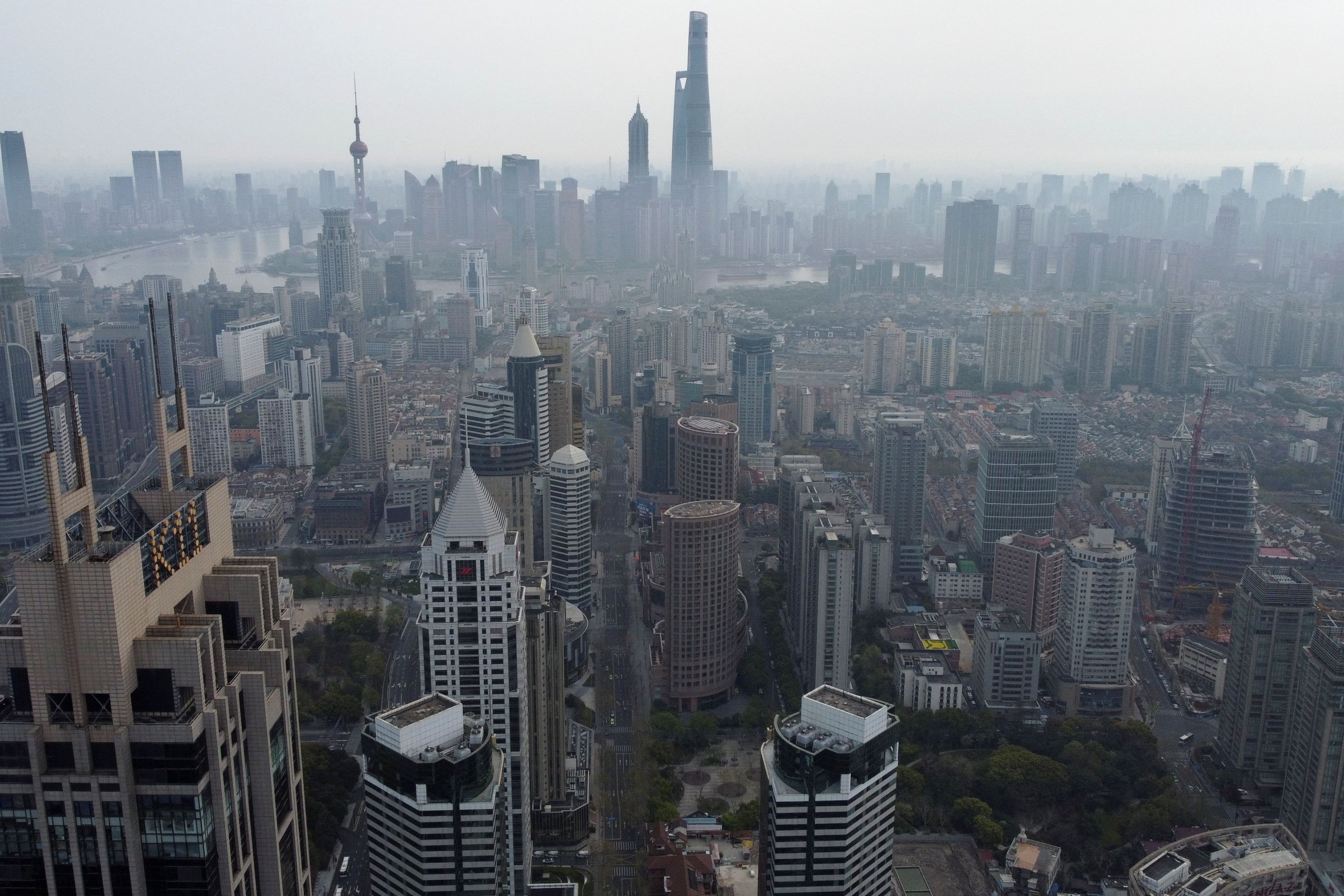
This general policy of the country is fully embodied in the recent situations in Shanghai. Zhang Wenhong, the leading expert on infectious diseases in a local hospital in China, has been entrusted with the task of managing Shanghai’s coronavirus control. Collaborating with the local officials, he reported the updated information on the pandemic control at the press conference and boosted the confidence of the local people in following the science-based grid management procedures so as to efficiently identify the cases and help the majority of the people to return to normalcy. This approach managed to strike a balance between the virus control efforts and the protection of the local economy. As a cosmopolitan megacity of China, Shanghai cannot afford a complete lockdown of the whole city, which may pose a disastrous economic threat to the development of the neighboring provinces or even the entire country.
The implementation of “urban grid management” refers to the digital management of the matrix of communities. Based on concrete statistics and accumulated data related to omicron cases, the Shanghai municipal government adopted a targeted quarantine policy for specific districts and residential quarters, where the residents are subject to free nucleic acid tests to ensure that the patients are identified and sent to the hospital for proper treatment. As a result of this screening process, the unaffected communities may return to their normal tempo of life without harm.
According to my close observations, the “grid management” policy has demonstrated the advantages of a highly efficient and effective measure to contain the pandemic while reducing the negative impacts on socio-economic development. Campus life in universities and community life in residential areas may substantiate this claim.
The shutdown of several universities in the city serves as protection for students from different parts of the country. Obviously, this policy may greatly relieve the apprehensions of parents living far away from their children.
The university authorities cooperated with teachers to guarantee both the education and well-being of the students through online courses, diversified lectures and extracurricular activities, which are arranged to enrich the students’ campus life. The school management also shows great concern for the mental health of the students by providing proper catering services and appropriate counseling and guidance to guard against possible psychological problems.
A multitude of teachers and students volunteered in organizing nucleic acid tests and assist the staff in the daily operations of the dormitories. During the quarantine period, teachers and students show appreciation for their mutual efforts in the protection of campus security. Moving stories about teachers’ devoting their time and energy for the students are making rounds in different campuses. Some universities have also received generous anti-epidemic materials from alumni.
Locals from different residential quarters take turns to follow alternate shutdown policies in cooperation with the government. In order to rule out the possibilities of the affected cases, the residents would be tested to provide necessary data so as to differentiate the safe areas from the affected.
While the residents are quarantined for a limited duration, the community staff has put in great effort to help facilitate people. Orders can be placed online and food and essentials will be delivered to the residential blocks' gate. The adults may work from home and the schoolchildren can have online classes. People living in the same block are free to go on walks and do physical exercises in the common areas. Basking in the sun and the fragrance of magnolia in the air, the neighbors seem to be oblivious of the tension of lockdown and enjoy their leisure, waiting for the notice to go back to work.
The rotational shutdown schedule is based on the massive work of the local government, which endeavors to compete with time and screen the safe areas from affected so that the majority of the society can return to normal life while the patients receive timely treatment. The residents are fully aware of the sacrifice and devotion of the community staff, part of whom voluntarily donate money to the residential committees to show gratitude and support.
In the case of Shanghai, the municipal government has demonstrated the significance of introducing a scientific approach to urban management to handle the pandemic with minimum cost. After all, the sluggish economy may fundamentally endanger the stability of a country and well-being of its people.