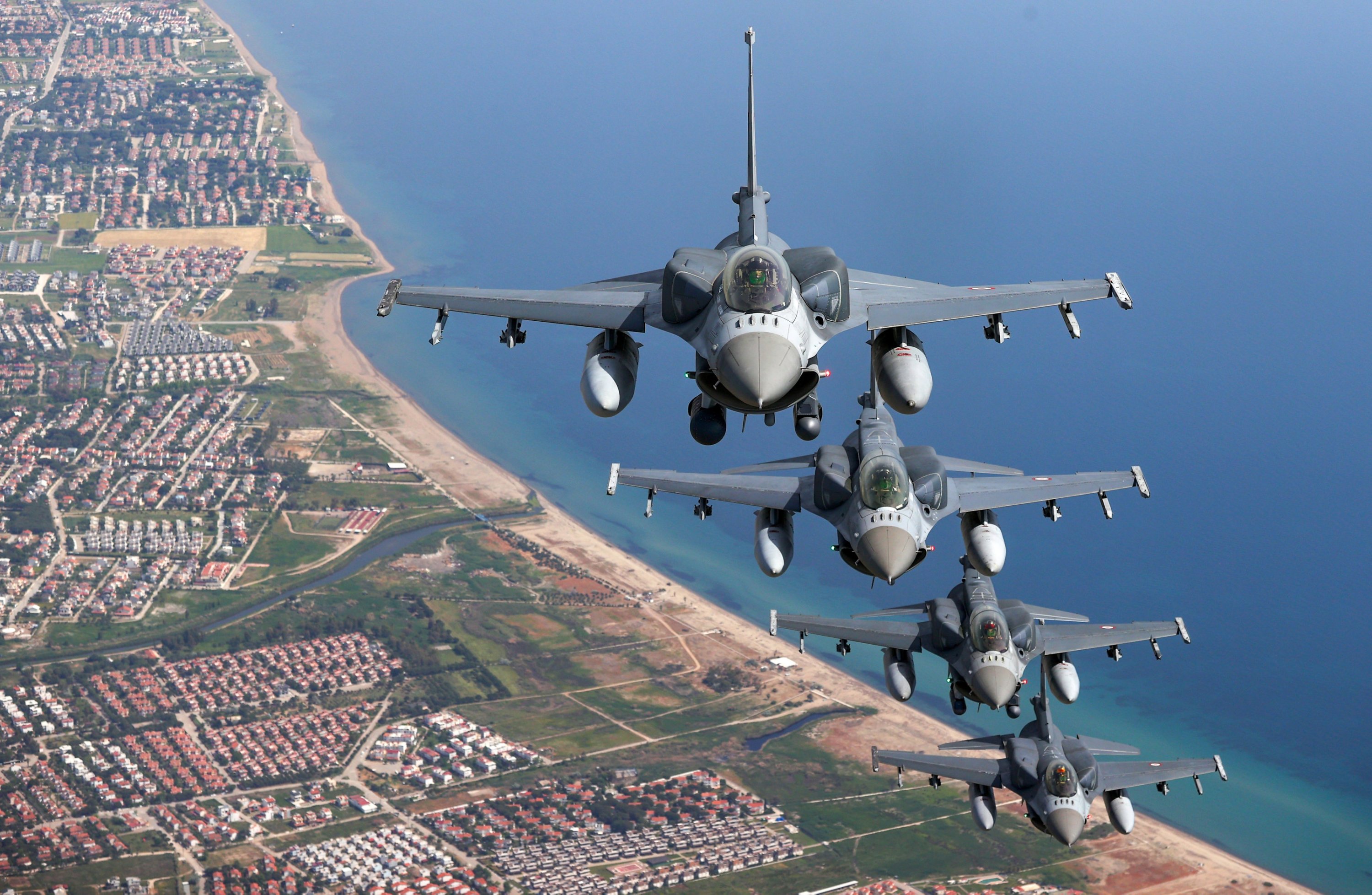
Fifty nations are gathered in Seferihisar as Türkiye’s largest combined joint live-fire exercise enters its final days, with autonomous drone swarms, carrier-launched unmanned combat vehicles and a homegrown layered air defense system taking center stage on Tuesday.
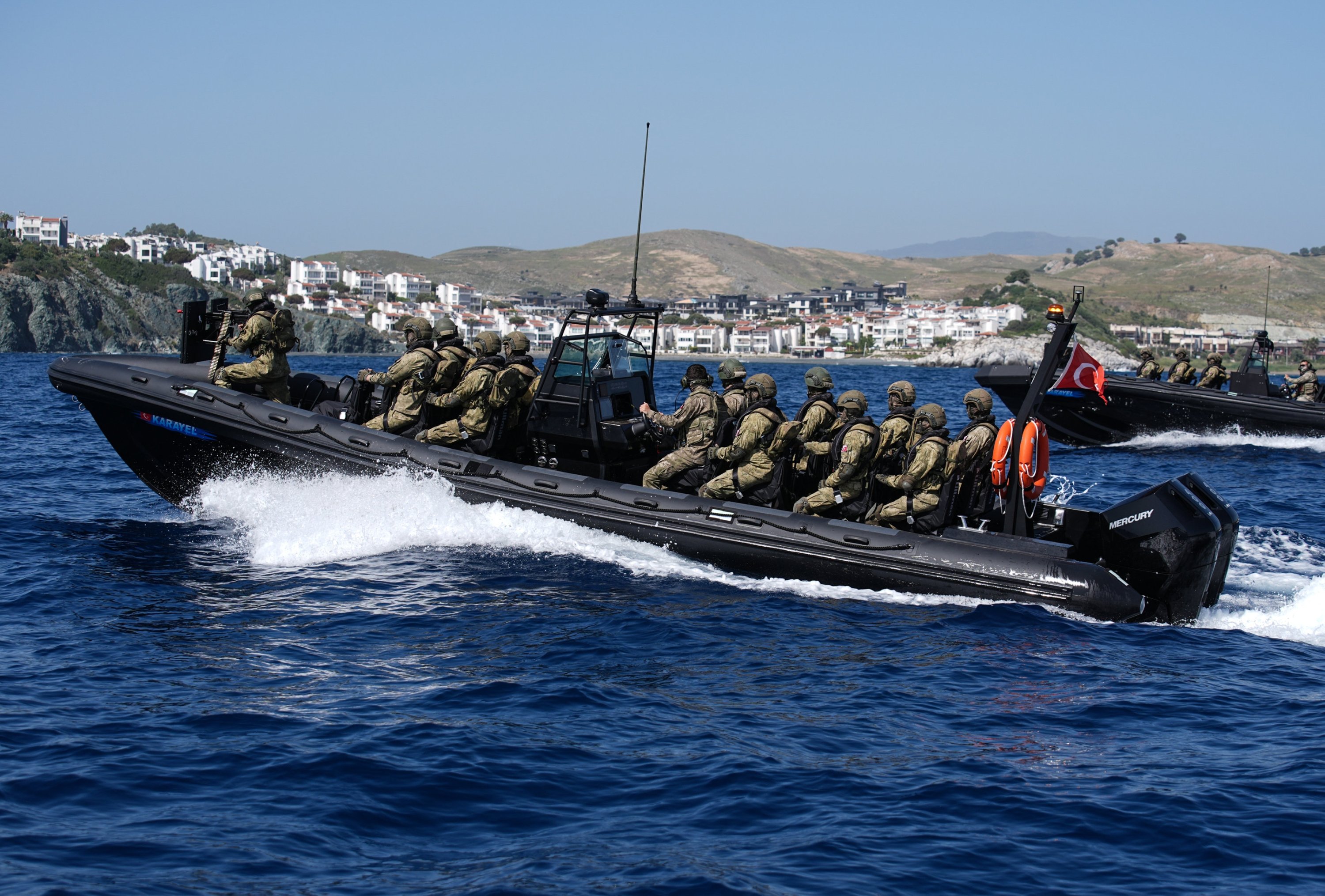
EFES 2026, which has been running since April 20 in the Doğanbey region of Izmir’s Seferihisar district, is set to conclude on May 21 following the Distinguished Observer Day on May 20, where defense ministers and military chiefs from all 50 participating countries will observe the final live-fire maneuvers.
With 10,388 personnel in the field, including 1,305 from allied and partner nations, the exercise has drawn one of the most geographically diverse participant rosters in its history. NATO allies, including the United States, Germany, France and the United Kingdom, are training alongside Azerbaijan, Pakistan and Malaysia, while Japan, Sweden, Somalia and Rwanda are also among the 50 countries taking part. Highlights in terms of participation were Syria and Libya. For the first time since the fall of the decadeslong Baathist regime, the Syrian army joined the exercise. The exercise also brought together rival military forces in Libya’s west and east for the first time.
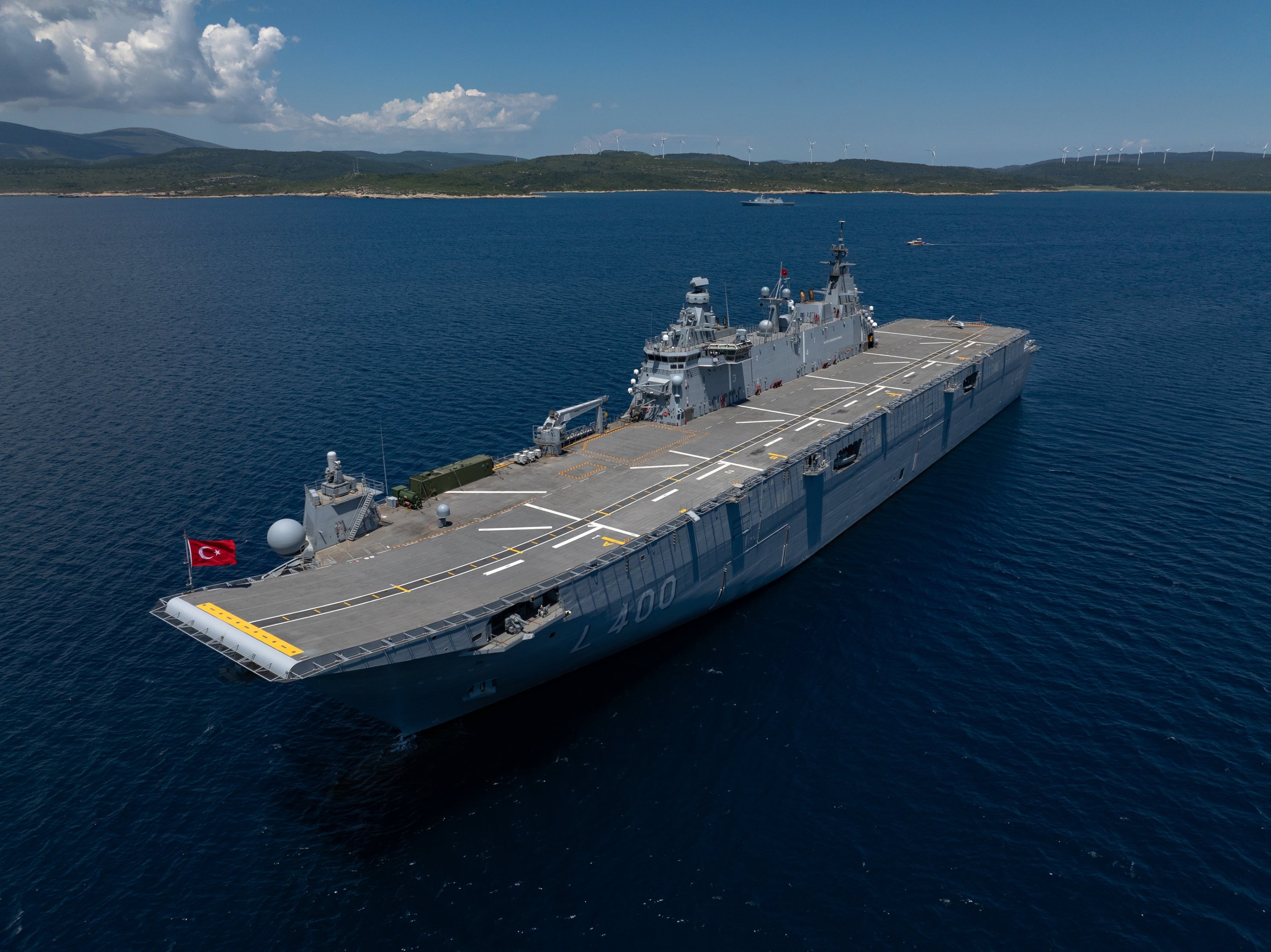
Baykar’s Bayraktar TB3 unmanned combat aerial vehicle (UCAV) conducted sorties directly from TCG Anadolu, Türkiye’s light aircraft carrier, in what officials described as a milestone for the country’s naval aviation program. The heavy-payload Bayraktar Akıncı drone provided intelligence, surveillance and reconnaissance (ISR) support throughout the joint operations.
The exercises also featured a live demonstration of Türkiye’s Steel Dome, known in Turkish as "Çelik Kubbe," and integrated air and missile defense architecture.
Developed entirely by Aselsan, the system brings together the long-range Siper platform alongside Hisar-A, Hisar-O and Sungur in a layered configuration designed to intercept threats ranging from cruise missiles to commercial-grade drones.
Defense Technologies Engineering and Trade Inc. (STM) demonstrated its KARGU loitering munition swarm capability during the exercise. The system, already operationally deployed across 15 countries on four continents, was operated by a single operator controlling a swarm of 20 units simultaneously, following a landmark live-fire test conducted in January 2026 that STM described as a world first.
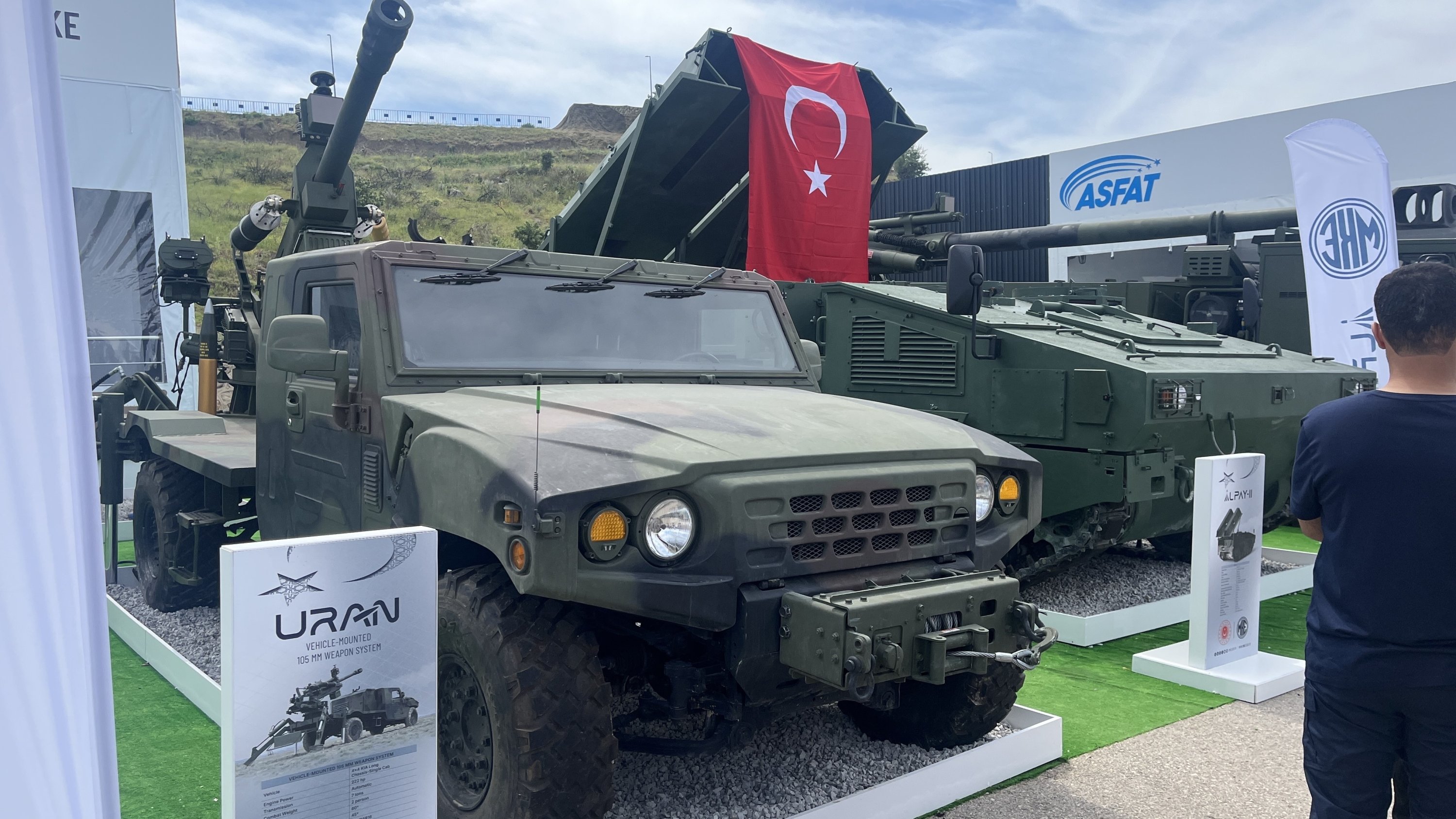
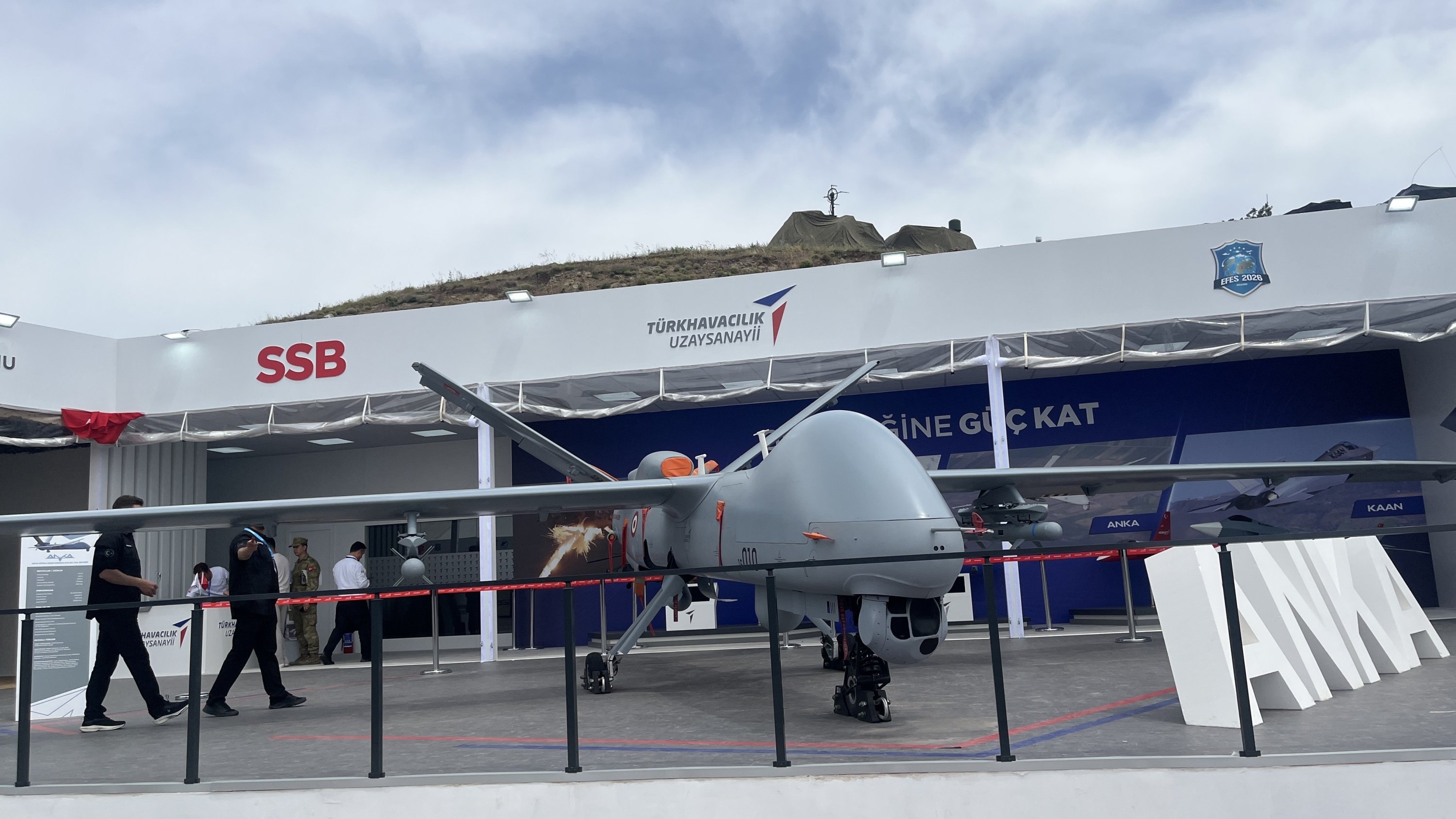
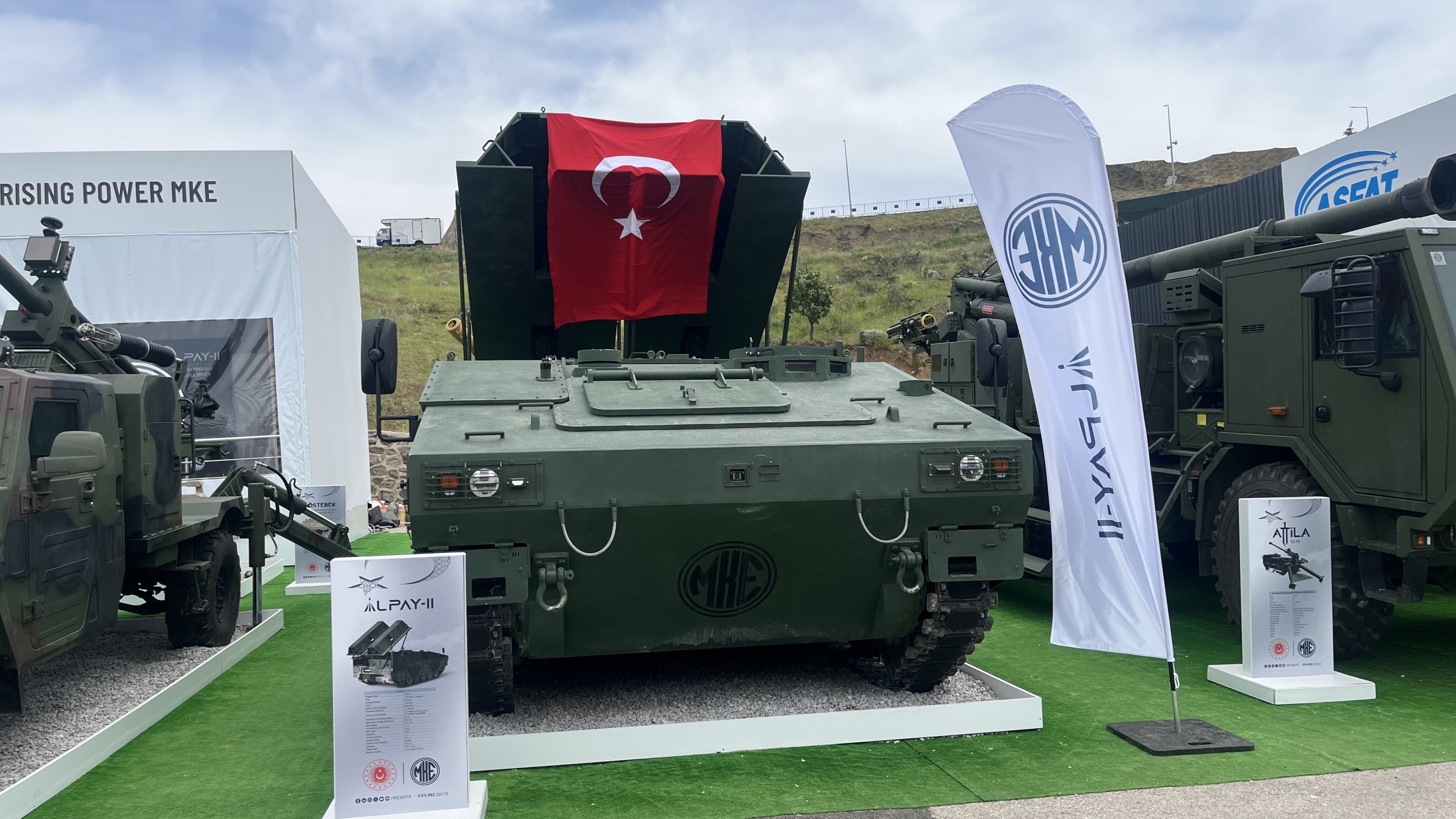
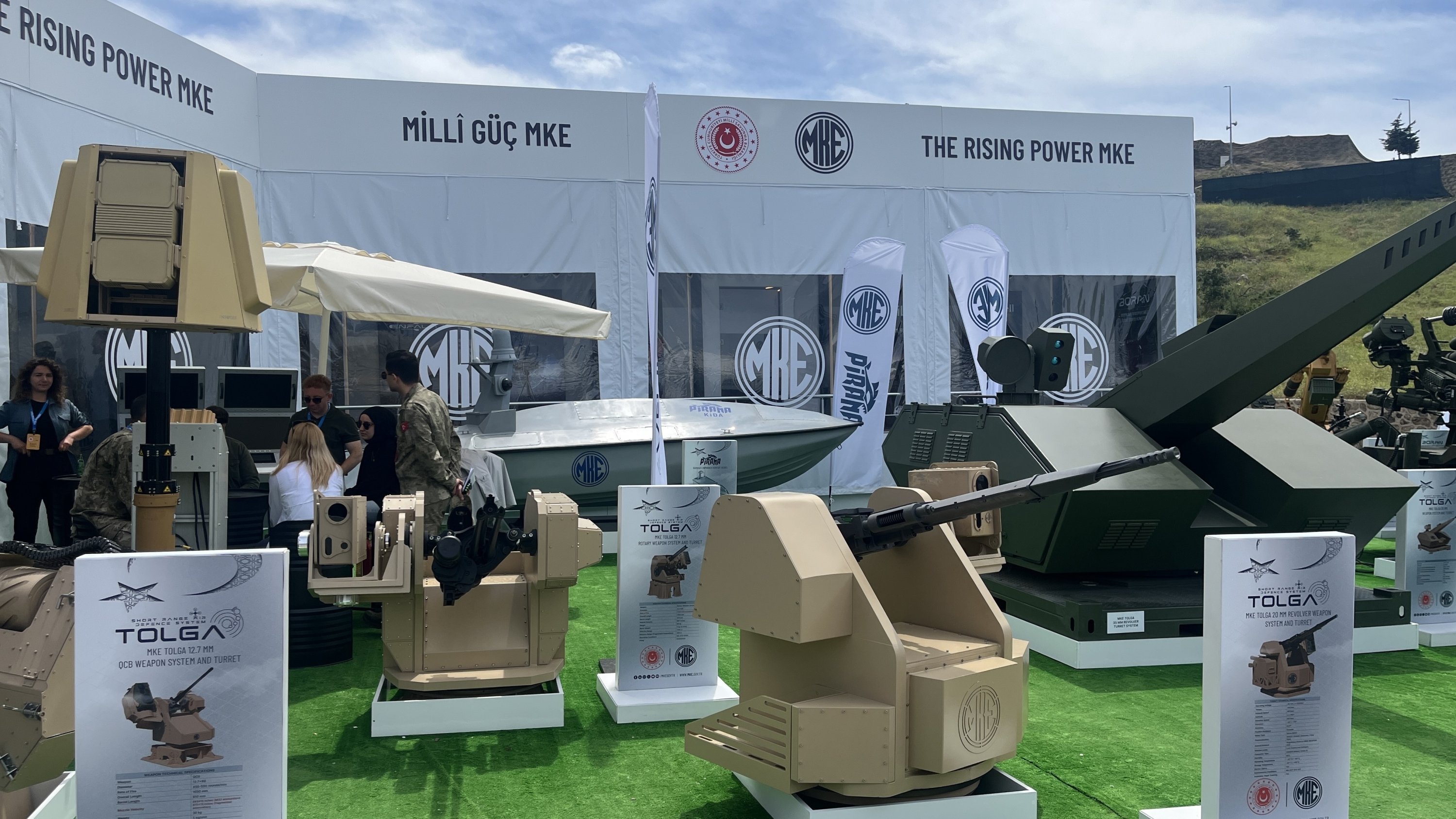
Running alongside the live-fire phases, the Defense Industry Exhibition has drawn procurement officials and military delegations to stands hosting more than 50 Turkish defense firms. Turkish Aerospace Industries (TAI) is displaying its Kaan fifth-generation fighter jet, Hürjet advanced jet trainer and Anka-3 stealth unmanned combat aircraft. Aselsan is presenting its Toygun and Karat electro-optical and infrared targeting systems, developed indigenously following foreign embargoes on previously imported optics technology.
For the governments represented at EFES 2026, the exercise offers a direct look at a defense industry that has moved from dependency to self-sufficiency within a decade, and that is now competing for export contracts across Central Asia, Africa and Europe. The exercise concludes on May 21.