One year into a Syria without dictator Bashar Assad, more than half a million Syrians who took refuge in Türkiye when the civil war broke out have returned home, official figures show.
Syrians marked the first anniversary of the overthrow of Assad and his iron-fist rule on Monday, as the nation struggles to find stability and recover after years of war.
Assad fled to Russia a year ago as anti-regime forces commanded by Syria’s now President Ahmad al-Sharaa seized Damascus and ended his rule, more than 13 years into a war that spiraled out of an uprising against Assad.
The Assad family ruled Syria for 54 years.
The Syrian war, which killed hundreds of thousands of people and displaced millions more since 2011, drove some 5 million into neighboring countries as refugees, most of whom into Türkiye.
Türkiye embraced refugees from its southern neighbor as the war intensified and, at one point, hosted the largest Syrian refugee community in the world. Despite reaction from far-right groups, the government adhered to its principle of an open-door policy for refugees fleeing the war. It occasionally encouraged returns for refugees, but only to areas in northern Syria liberated from terrorist groups, and only voluntarily.
The number of Syrians coming to Türkiye under temporary protection status increased continuously between 2011 and 2021, except for a small decline in 2019. It reached its peak of 3.7 million people in 2021 but has steadily declined since then.
After the collapse of the Baathist regime, refugees who called Türkiye home for years have been streaming to the border crossings for returns.
The U.N. refugee agency said on Monday that some 1.2 million refugees, in addition to 1.9 million internally displaced people, had gone home since Assad was toppled.
Some 550,000 of them are those who returned from Türkiye. About 2.3 million Syrians now remain in Türkiye, according to Interior Minister Ali Yerlikaya. The minister last month said nearly 1.3 million people in total have returned to Syria from Türkiye since 2016.
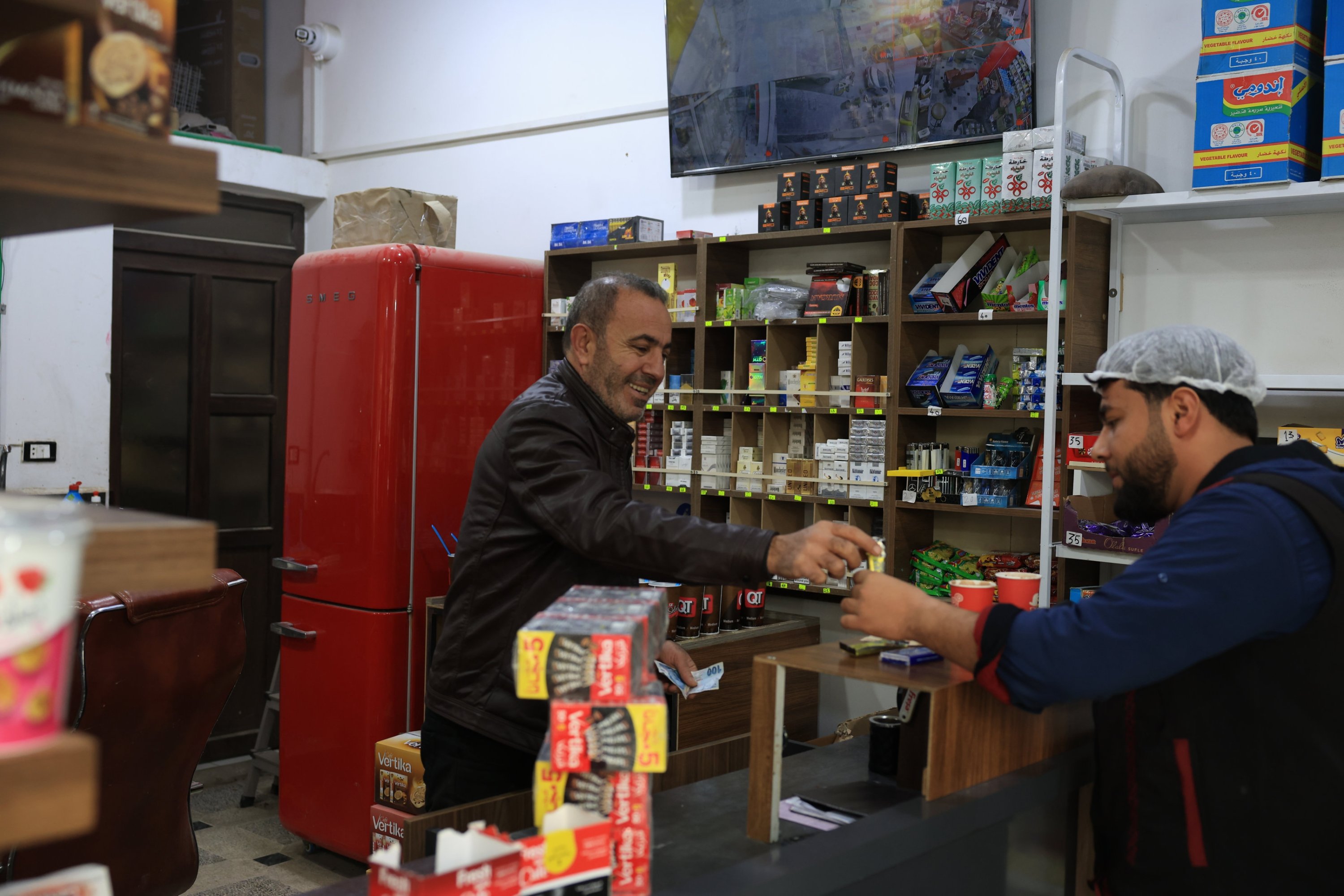
Maysa, who returned to Damascus after 11 years living in Türkiye, now teaches handicrafts at a school, while her husband runs a small grocery store.
"I'm 37 years old and I have to rebuild my life with three children, find a house, furniture and daily necessities. It's very difficult."
Regarding health care services, she said, "Serious efforts are being made to improve public hospitals. Despite the difficult conditions, Syrian doctors are extremely competent."
Maysa says that the country she left behind and the one she found are completely different, but she has high hopes for a liberated Syria.
Farah, an 18-year-old living in Aleppo, said all her memories are of Türkiye, where she came when she was nine, and that she would want to return if she could.
"I don't even remember what Syria used to be like. I spent my whole life in Türkiye. It's very difficult for me here."
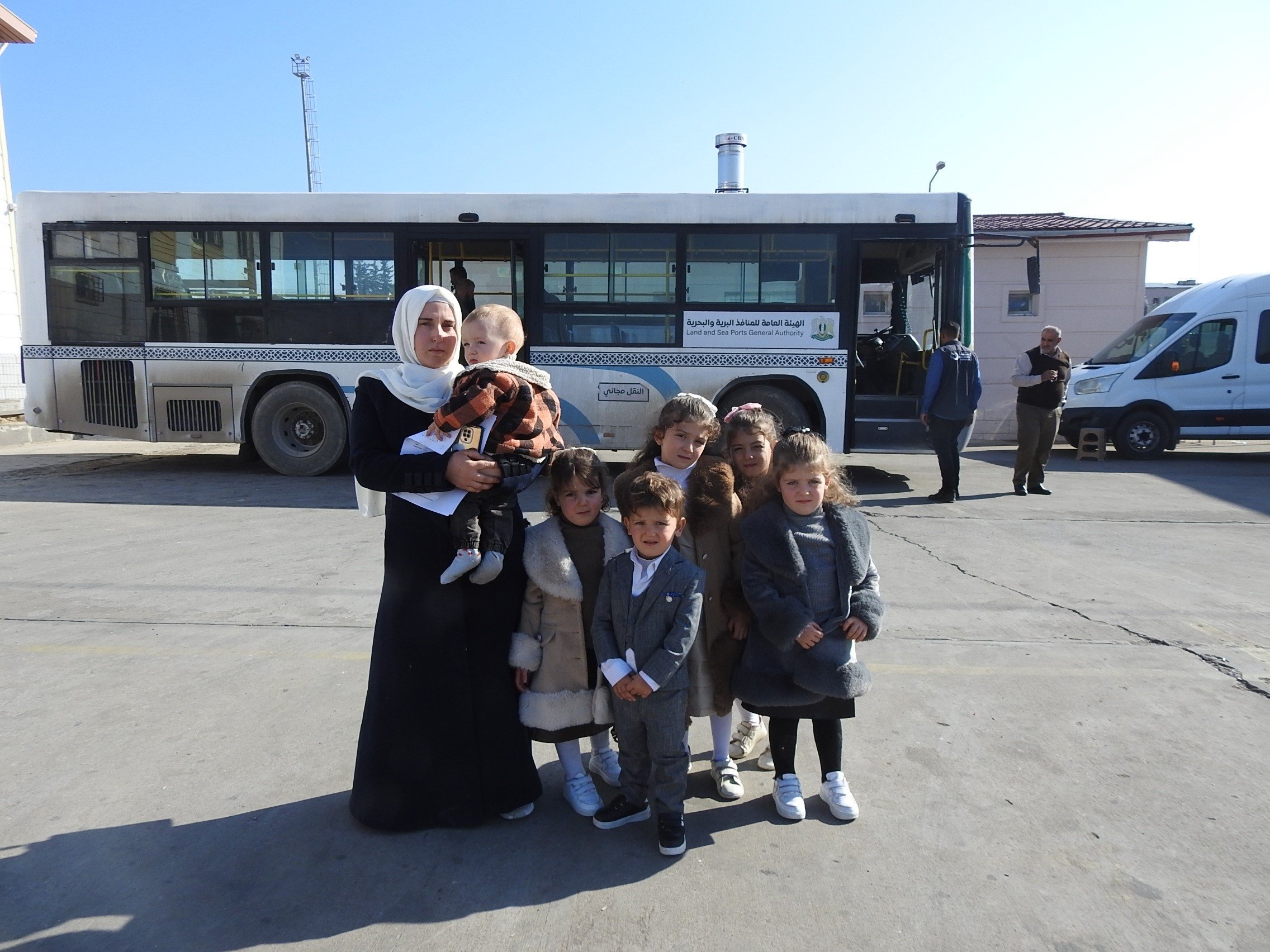
In addition to facilitating voluntary returns, Türkiye has assumed key responsibilities in areas such as energy and transportation, as well as humanitarian aid, to meet the basic needs of its neighbor over the past year. Ankara has coordinated particularly with Saudi Arabia and Qatar to improve on-the-ground conditions for the returnees.
Türkiye emphasized from the first days of the post-Assad period that its priority is to avoid a return to the 13-year-long conflict.
Kürşad Şahin, founder of Medenia, which provides regional analysis and business development consultancy during the reconstruction process in Syria, said, "After the long period of introversion and oppression brought on by the war, there is a marked sense of relief and optimism."
Şahin says that the legislation and bureaucratic structure in Syria, which has been governed without transparency for years, is being rebuilt.
"An intensive effort is being made with limited resources to renew infrastructure services. Temporary solutions and generators are being used while trying to create a permanent energy source."