World champions Argentina will return to one of the most symbolic venues in modern football when they face European champions Spain in the Finalissima on March 27 at Lusail Stadium in Doha, UEFA and CONMEBOL confirmed Thursday.
The one-off intercontinental final comes just 75 days before the opening match of the expanded 2026 World Cup in the United States, Mexico and Canada, offering a high-stakes test for two sides widely viewed as title contenders.
For Argentina, it is another chance to measure themselves against elite opposition. For Spain, it is a benchmark against the team that has defined the global game over the past four years.
UEFA described the Finalissima as a celebration of continental excellence, bringing together the champions of South America and Europe.
In reality, it functions as something closer to a World Cup final rehearsal – neutral ground, global audience, and silverware on the line.
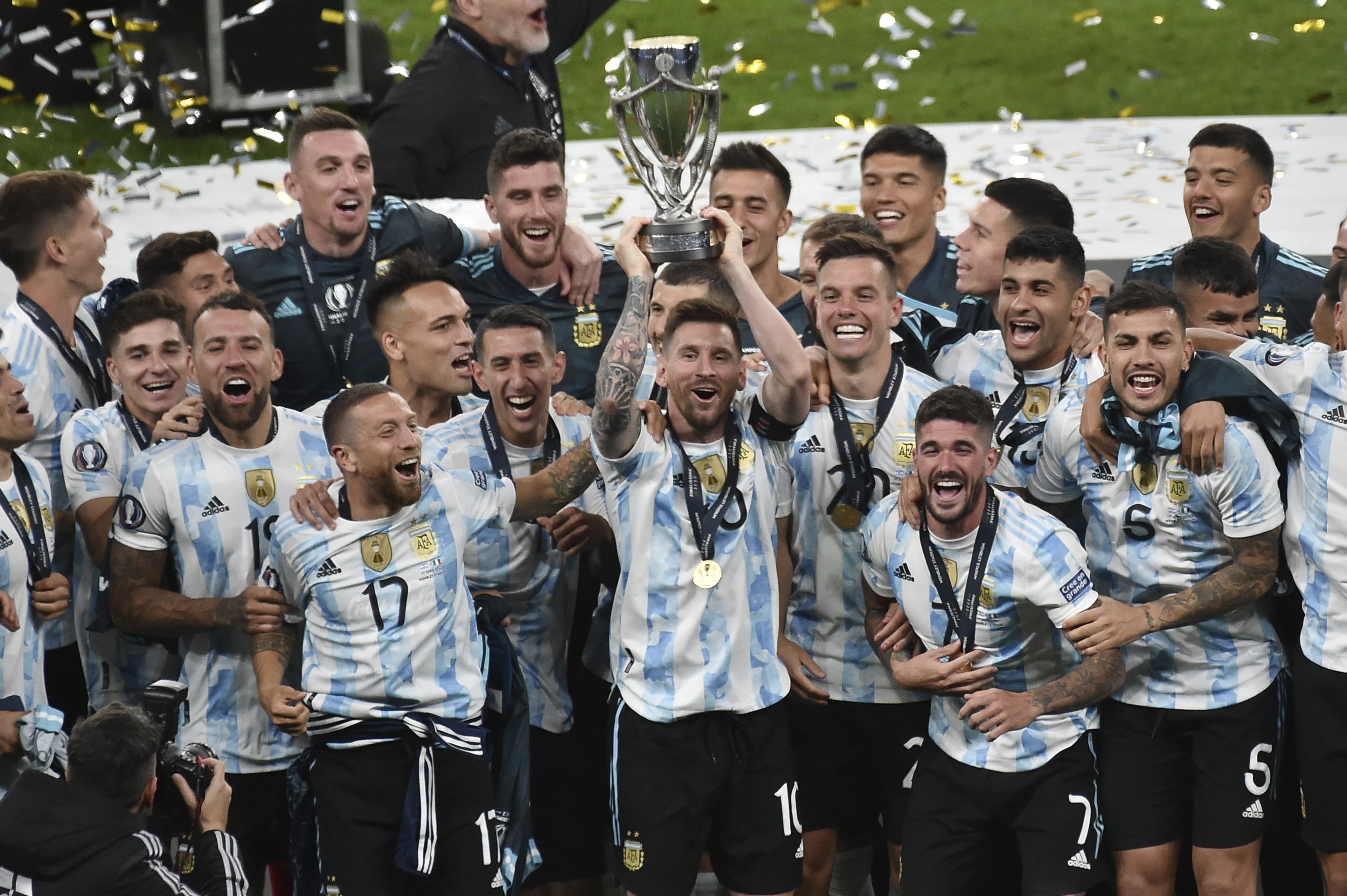
Argentina arrive as the defending Finalissima holders, having overwhelmed Italy 3-0 at Wembley in June 2022 through goals from Lautaro Martinez, Angel Di Maria and Paulo Dybala.
That performance proved prophetic, setting the tone for the Albiceleste’s march to World Cup glory later that year in Qatar.
The competition itself is a modern revival of the Artemio Franchi Trophy, previously contested only twice: France beat Uruguay in 1985, and Argentina defeated Denmark on penalties in 1993.
Since UEFA and CONMEBOL revived the concept in 2021, Argentina have been its standard-bearers, holding a perfect record across both eras.
The 2026 edition will be the fourth overall Finalissima and the second in its modern form, reflecting a broader partnership between the two confederations that now extends beyond a single showcase match.
Argentina and Spain have met 14 times at senior international level, with the record evenly split – six wins apiece and two draws.
Yet despite their shared history, competitive encounters have been rare.
Their only World Cup meeting came in 1966, when Argentina edged Spain 2-1 in Birmingham.
Most recent clashes have been friendlies, often lopsided: Argentina’s 4-1 win in 2010, Spain’s 6-1 demolition in 2018.
The Finalissima changes the stakes entirely, delivering the first trophy-deciding match between the two nations.
Tactically, the contrast is stark. Argentina, under Lionel Scaloni, have mastered controlled aggression – defensive discipline, rapid transitions and an unshakeable calm in decisive moments.
Spain, guided by Luis de la Fuente, blend possession with modern intensity, pressing higher and attacking faster than their tiki-taka predecessors.
La Albiceleste arrive in Doha as the dominant national team of the decade.
World champions in 2022, Copa America winners in 2021 and 2024, they have lost just once in more than 50 matches since 2019.
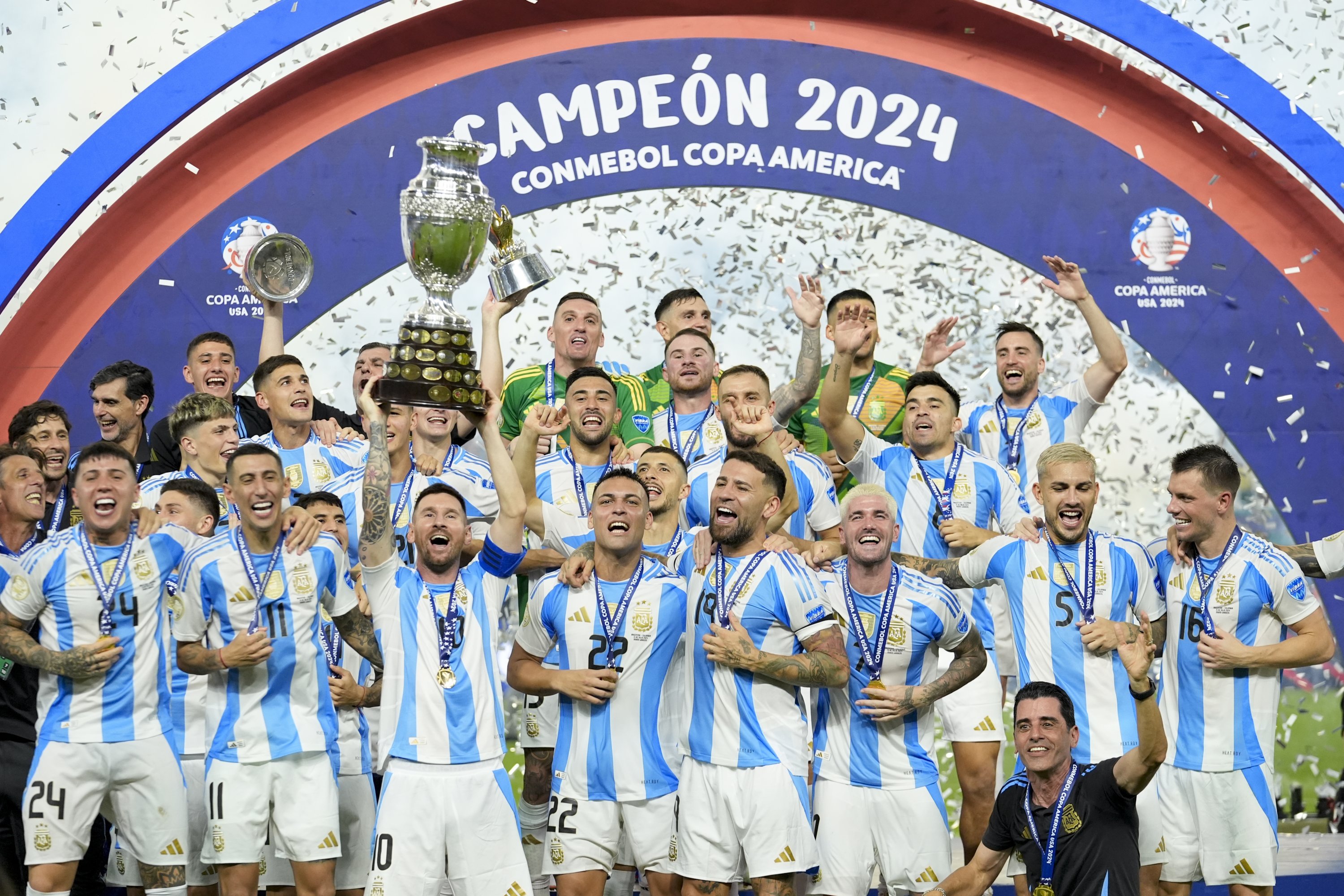
Their success has been built on continuity, clarity and competitive edge.
Lionel Messi remains the axis.
Approaching 39, his role is now selective but decisive, supported by a settled core that includes Emiliano Martinez, Enzo Fernandez, Alexis Mac Allister, Julian Alvarez and Lautaro Martinez.
Few teams manage games better when trophies are at stake.
Spain, by contrast, come in riding momentum of their own.
Euro 2024 champions after a 2-1 final victory over England, they sit top of the FIFA world rankings and have been unbeaten in competitive play since early 2023.
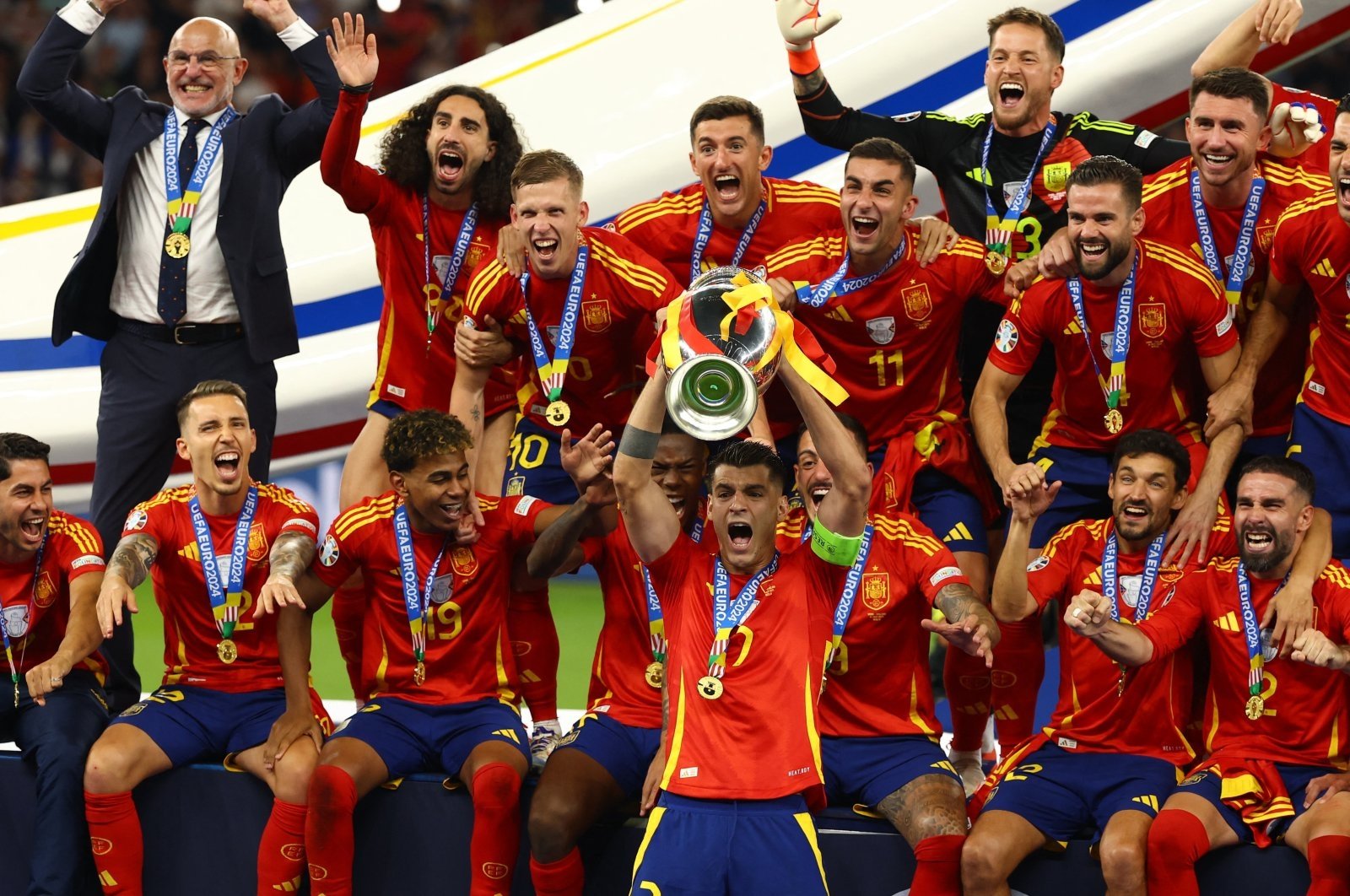
Rodri anchors the midfield, Nico Williams provides pace, and a new generation has arrived without fear.
The match’s defining image may belong to Lionel Messi and Lamine Yamal – the past and future of FC Barcelona crossing paths on the international stage.
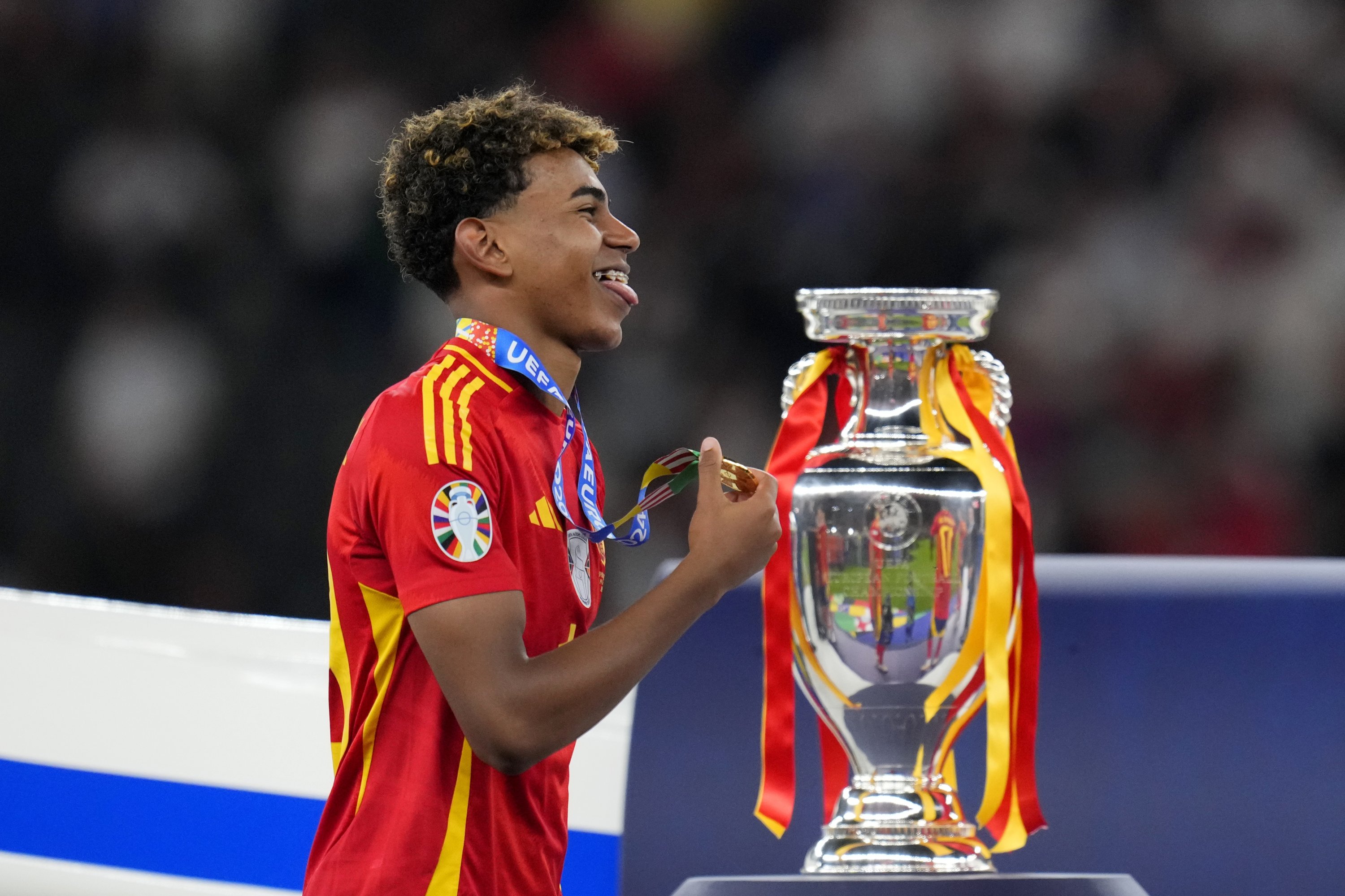
A widely shared 2007 charity photo of Messi holding an infant Yamal has become symbolic of football’s generational handover.
Messi remains Argentina’s leader and reference point.
Yamal, still just 18, is already Spain’s youngest scorer and a Euro winner, drawing comparisons for his left foot, vision and composure.
Their meeting encapsulates the Finalissima’s wider theme: legacy confronting emergence.
Lusail Stadium adds a layer no statistic can match. It was here that Messi lifted the World Cup trophy in December 2022 after one of the greatest finals ever played.
Returning to the same ground, with the same captain, reinforces Argentina’s emotional connection to Qatar – and their aura on the biggest stages.
With a capacity of nearly 90,000 and cutting-edge design, Lusail remains one of football’s premier modern arenas, perfectly suited to a fixture of this magnitude.
Both sides already know their routes to 2026. Argentina lead Group J alongside Algeria, Austria and Jordan.
Spain headline Group H with Uruguay, Saudi Arabia and Cape Verde.
The Finalissima offers a rare opportunity to test depth, systems and mentality against elite opposition before tournament football begins in earnest.