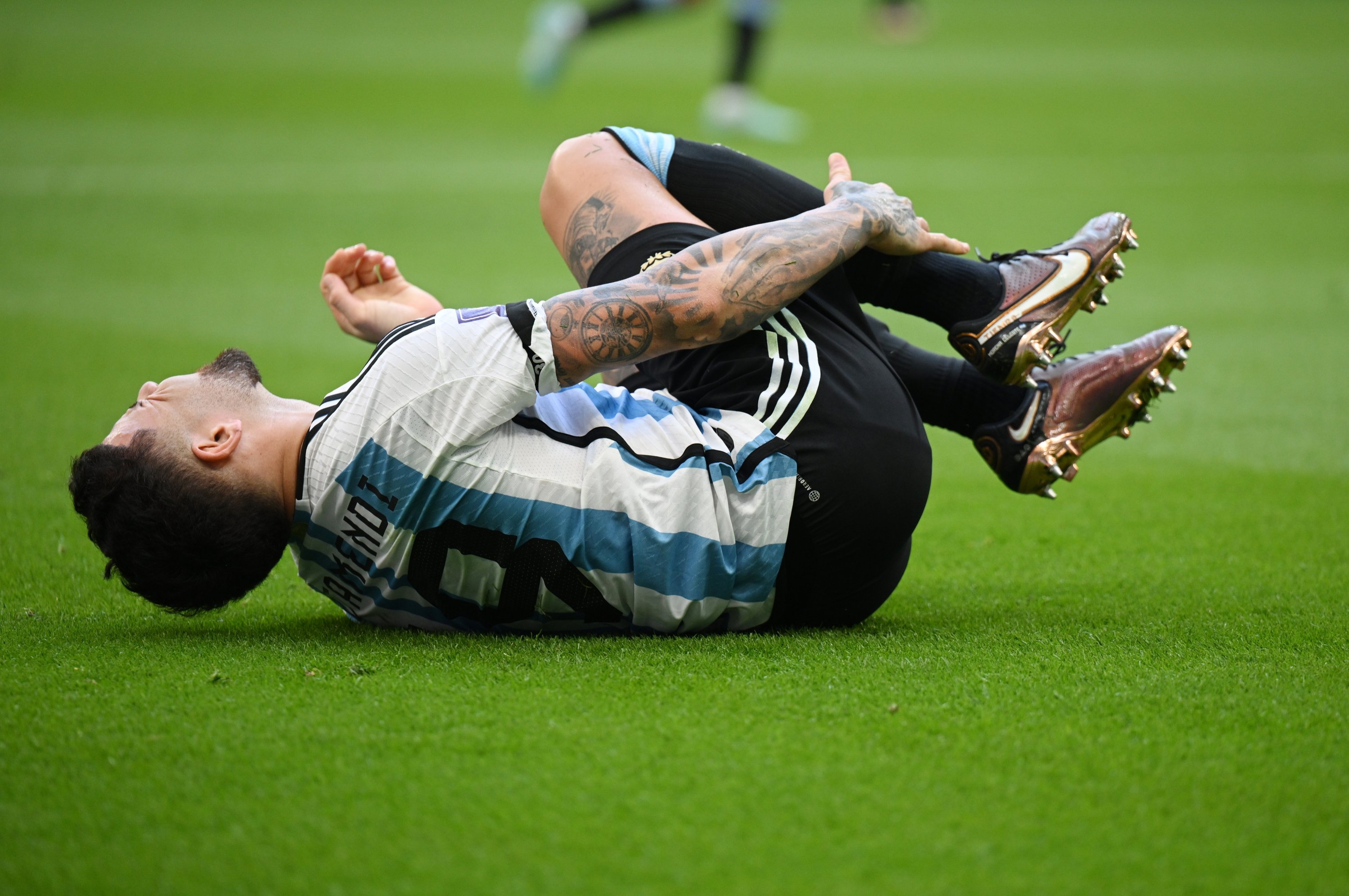
Lionel Messi’s latest injury scare has added another layer of tension to Argentina’s World Cup buildup, with Inter Miami confirming the captain is dealing with fatigue-related discomfort in his left hamstring less than three weeks before the defending champions open preparations for the 2026 tournament.
The MLS club announced Monday that medical examinations revealed “an overload associated with muscle fatigue” in Messi’s left hamstring, easing fears of a serious tear but immediately shifting attention toward Argentina’s title defense in North America.
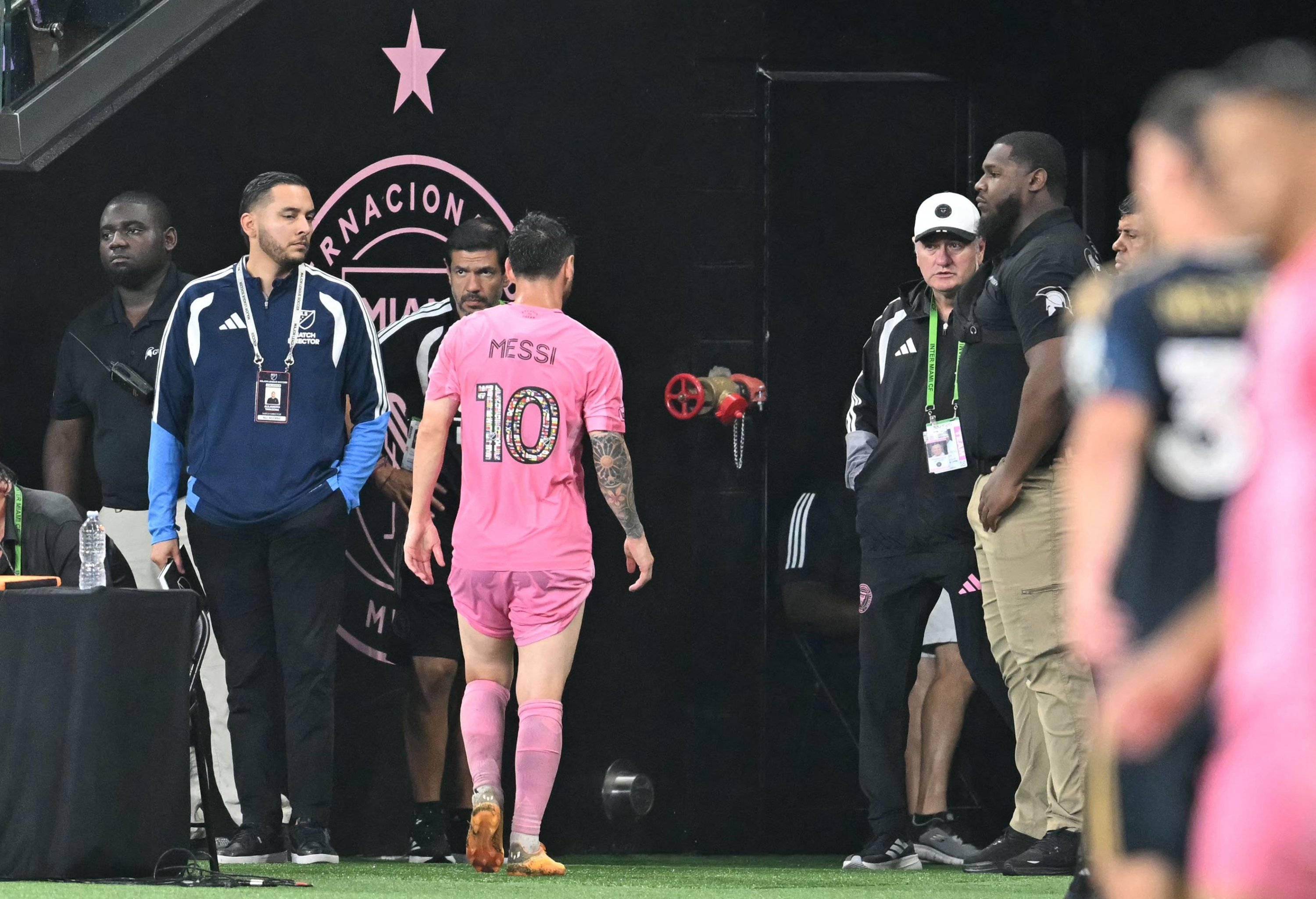
Messi, now 38 and preparing for what is expected to be his sixth and final World Cup, was forced off in the 73rd minute of Inter Miami’s wild 6-4 win over the Philadelphia Union on Sunday after clutching the back of his left leg following a free kick.
The Argentine star walked off without assistance and headed straight down the tunnel after signaling to the bench that he could not continue.
Inter Miami later described the issue as muscle fatigue rather than structural damage, with the club adding that his return “will depend on his clinical and functional progress.”
The timing could hardly be more delicate.
Argentina’s pre-World Cup camp is only days away, with Lionel Scaloni’s side preparing to defend the title they won in Qatar in 2022.
The Albiceleste are scheduled to play Honduras on June 6 at Kyle Field in Texas before facing Iceland three days later in Alabama, the final tuneups before the tournament begins across the United States, Canada and Mexico.
Messi’s condition is now likely to dominate Argentina’s preparations, even if early signs point toward cautious optimism rather than panic.
The injury surfaced during one of the most chaotic MLS matches of the season.
Inter Miami and Philadelphia combined for 10 goals, including a record-setting eight-goal first half, as Luis Suárez and Philadelphia striker Milan Iloski both scored hat tricks in a game that turned increasingly frantic under heavy rain in the second half.
Messi had already provided two assists before discomfort began to show late in the match. Cameras caught him repeatedly reaching toward his left hamstring around the 70th minute before he requested a substitution.
While Miami did not link the issue to a specific incident, the slippery conditions and Messi’s demanding workload in recent weeks have intensified concerns over fatigue management for aging stars ahead of the expanded 48-team World Cup.
The concern is heightened because hamstring problems have lingered around Messi in recent seasons. He also dealt with similar muscular issues during Inter Miami’s preseason earlier this year, forcing the club to carefully manage his minutes.
Still, the diagnosis offered relief compared with the worst-case scenarios feared immediately after his exit.
Fatigue-related overloads are generally considered less severe than strains or tears, with recovery often measured in days rather than months. Argentina and Inter Miami are both expected to take a conservative approach, prioritizing the bigger picture over short-term availability.
Even so, Messi’s situation has become part of a growing injury cloud hanging over many of soccer’s biggest names heading into the World Cup.
Spain sensation Lamine Yamal recently missed the closing weeks of Barcelona’s season with a muscle injury but is expected to recover in time for the tournament.
France captain Kylian Mbappe and Egypt star Mohamed Salah have both returned from injury scares of their own.
Others have not been as fortunate.
France forward Hugo Ekitike is expected to miss the tournament with a serious Achilles injury, while Brazil have already lost Eder Militao and Rodrygo to long-term setbacks. Germany’s Serge Gnabry has also been ruled out after suffering an adductor injury.
Several other nations are anxiously awaiting updates on key players, including Argentina defender Cristian Romero, Canada fullback Alphonso Davies and Morocco star Achraf Hakimi.
The growing injury list has reignited criticism of soccer’s relentless calendar, particularly after the recent expansion of both the Champions League and Club World Cup formats.
Mikel Arteta recently described the strain on elite players as “an accident waiting to happen,” a warning that now feels increasingly relevant as clubs and national teams scramble to protect their stars before the sport’s biggest tournament.
For Argentina, however, everything still revolves around Messi.
He remains the emotional heartbeat of the team that ended the nation’s 36-year wait for a World Cup title in Qatar, and his pursuit of a second consecutive crown could cement one of the greatest international careers in soccer history.
Argentina open their Group J campaign against Algeria on June 16 in Kansas City before facing Austria and Jordan in Arlington, Texas.
With the expanded format offering more matches and a longer tournament path, managing Messi’s workload may prove just as important as his brilliance on the field.