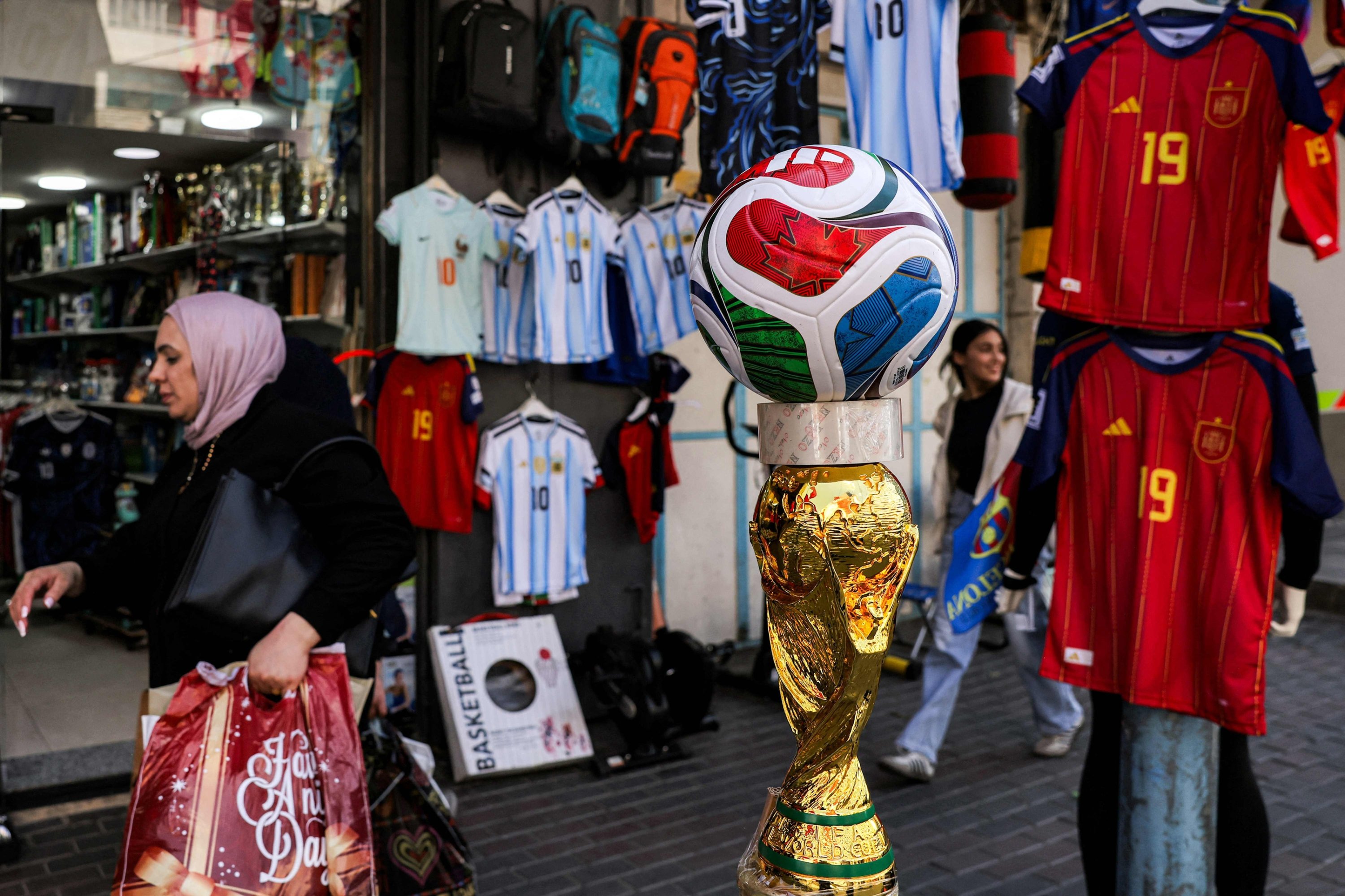
The 2026 FIFA World Cup has been overshadowed by a succession of high-profile controversies on and off the field, with issues extending far beyond football and placing refereeing, racism, political influence and FIFA governance under intense global scrutiny.
Although the tournament has delivered thrilling knockout-stage drama, much of the conversation has centered on disputed officiating decisions, allegations of bias, and the actions of football authorities and political leaders.
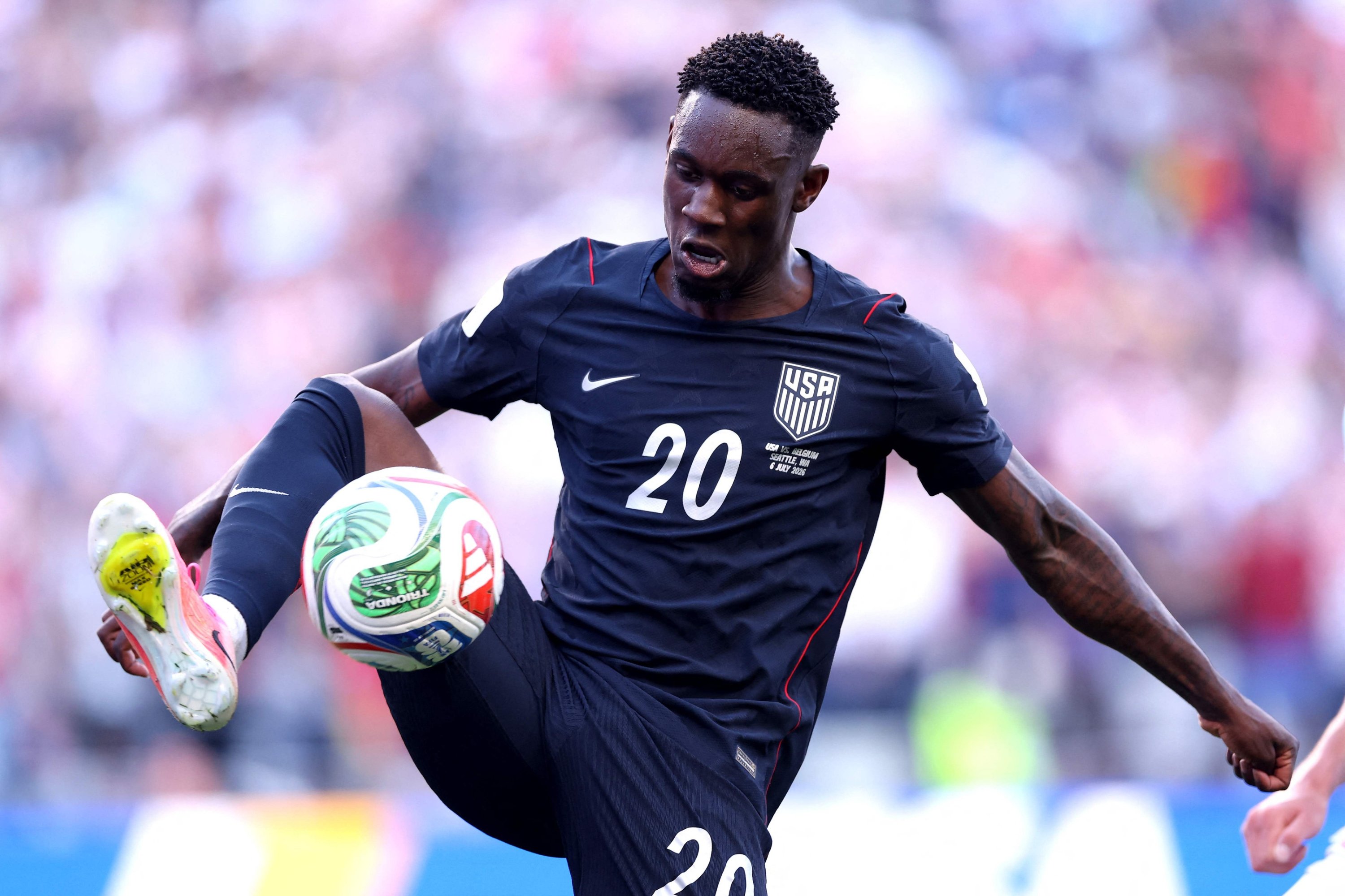
The most significant controversy erupted after FIFA suspended the one-match ban imposed on U.S. forward Folarin Balogun following his red card, a decision made after direct contact between U.S. President Donald Trump and FIFA President Gianni Infantino that sparked widespread questions about political interference in the sport.
U.S. forward Folarin Balogun was sent off with a straight red card in the United States' 2-0 round-of-32 victory over Bosnia and Herzegovina after a challenge on defender Tarik Muharemovic. A red card normally carries an automatic one-match suspension.
However, FIFA announced Sunday that Balogun's suspension had been put on hold for a one-year probationary period, clearing the 25-year-old forward to play against Belgium in the round of 16 in Seattle.
Trump confirmed Monday that he had spoken to Infantino and asked FIFA to review the decision.
"I asked for a review because I didn't think it was a foul," Trump told reporters at the White House, describing the referee's decision as "horrible."
Trump said he did not tell Infantino what to do, adding that he believed the ruling was made by a FIFA committee.
Infantino acknowledged that he had spoken with Trump, saying he regularly discusses matters related to the FIFA World Cup with the U.S. president, as well as heads of state, government officials, football stakeholders and business executives around the world.
He said he told Trump that the case was before FIFA's independent bodies and would be resolved through the relevant process.
The decision drew sharp criticism from across football, including UEFA, which said FIFA had "crossed a red line." The European governing body said the automatic one-match suspension following a red card is embedded in football regulations and "is not a discretionary option."
Belgium's football federation said it was "astonished" by the decision and sought clarification from FIFA on the process, the applicable rules and the reasons for the ruling.
Another major controversy erupted after Argentina's 3-2 comeback victory over Egypt in the round of 16.
Egypt led defending champion Argentina 2-0 late in the match before conceding three goals in the closing stages and being eliminated.
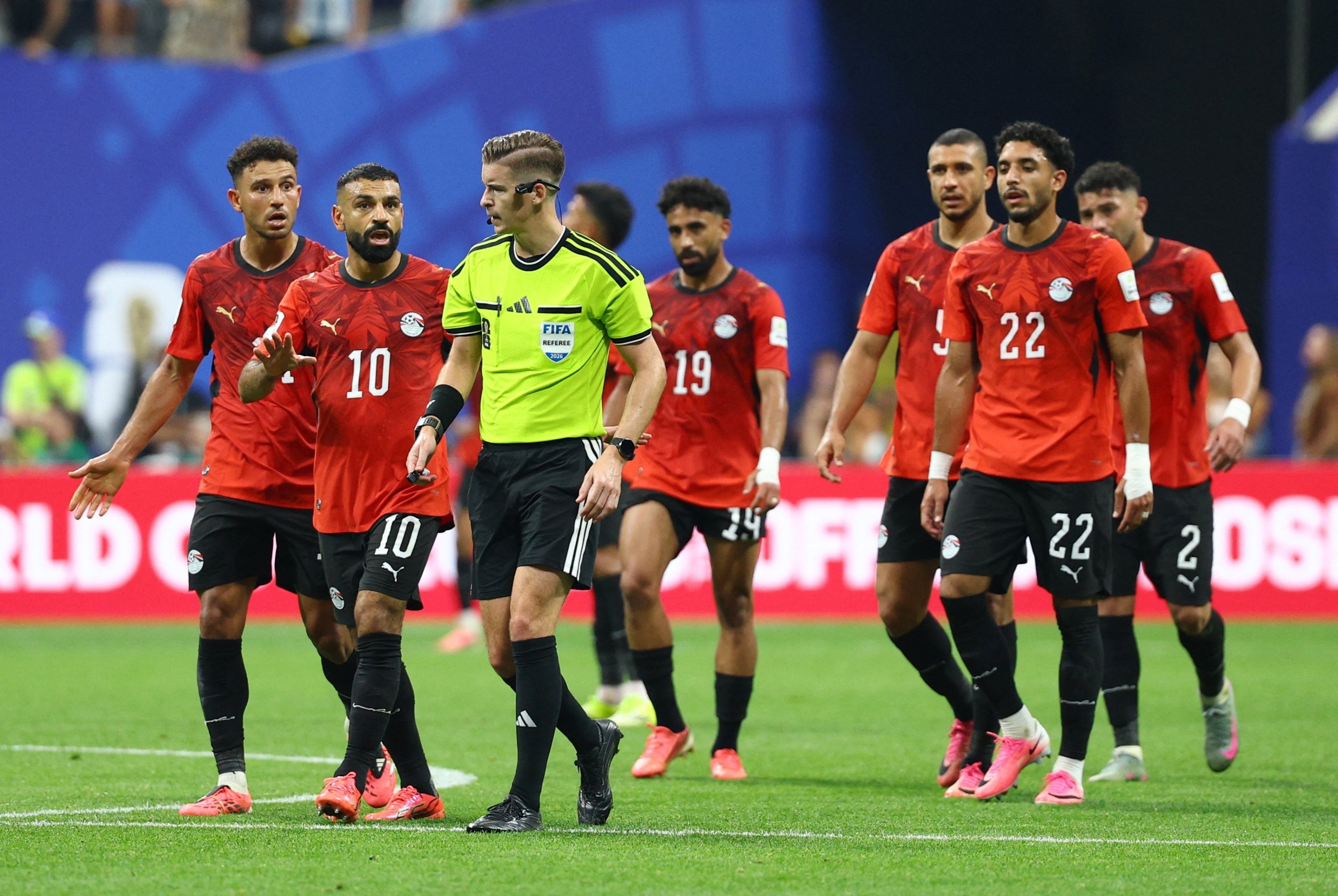
Much of the controversy centered on a second-half goal by Egypt's Mostafa Zico, which was ruled out after a Video Assistant Referee review for a foul in the buildup.
Egypt also appealed for a late penalty after Hamdy Fathy went down under a challenge, but play continued and Argentina scored the winner shortly afterward.
The Egyptian Football Association said several key incidents raised serious concerns about the consistency and fairness of refereeing decisions, adding that the calls directly affected the course of the game.
Egypt coach Hossam Hassan later said his team suffered an "unjust defeat," claiming "marketing support" helped keep defending champion Argentina and Lionel Messi in the tournament.
Captain Mohamed Salah and several former players and pundits also questioned the officiating, with criticism focusing on whether VAR was applied consistently in key moments.
The tournament has also faced a major off-field scandal after racist remarks were made about France captain Kylian Mbappe by Paraguayan Sen. Celeste Amarilla following France's 1-0 round-of-16 victory over Paraguay, sealed by Mbappe's penalty.
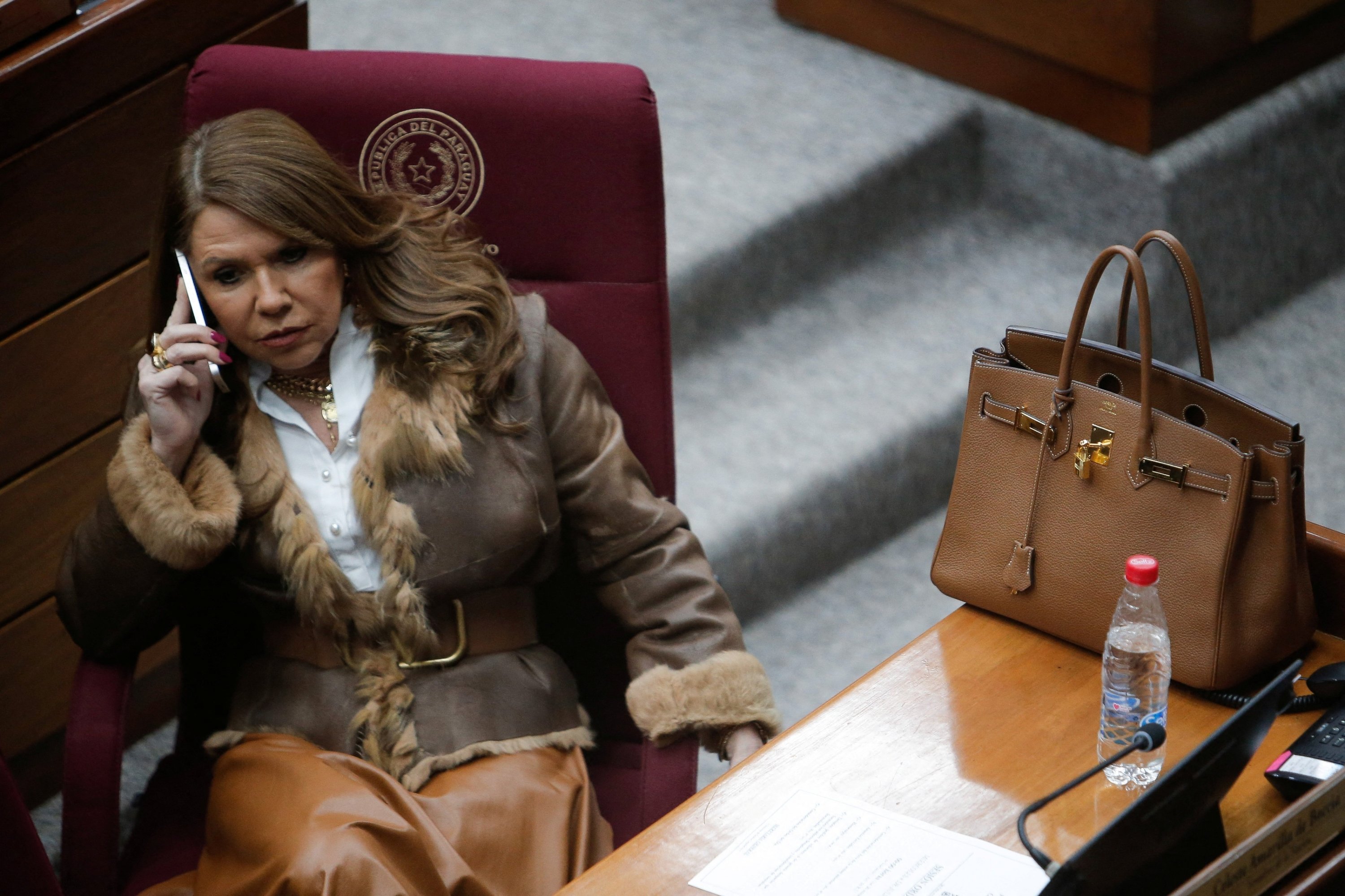
Amarilla targeted Mbappe in a series of posts on the U.S. social media platform X, mocking his Cameroonian roots, upbringing, appearance and education. In one post, she described the French captain as a "colonized Cameroonian pretending to be French," along with other insulting remarks.
Mbappe hit back on X, calling Amarilla "a despicable woman and unworthy" of her position, and said she did not represent Paraguay or the country's players, who had shown passion and honor during the tournament.
The U.N. human rights office condemned the remarks as "despicable" and said they were "not isolated," warning that racist incidents at the World Cup reflected a broader problem across football and sport.
French Sports Minister Marina Ferrari said Paraguay's government had apologized for the senator's remarks and that Paris prosecutors had opened an investigation.
Beyond individual incidents, the World Cup has also faced criticism over immigration and visa concerns in the United States, protests in host cities and labor conditions linked to stadium projects in Mexico.
Refereeing consistency has remained another recurring theme throughout the knockout stage, with complaints focusing on VAR intervention thresholds, penalty decisions, disciplinary standards and the interpretation of serious foul play.
Taken together, the controversies have made the 2026 World Cup one of the most politically and socially charged editions of the tournament in recent memory.