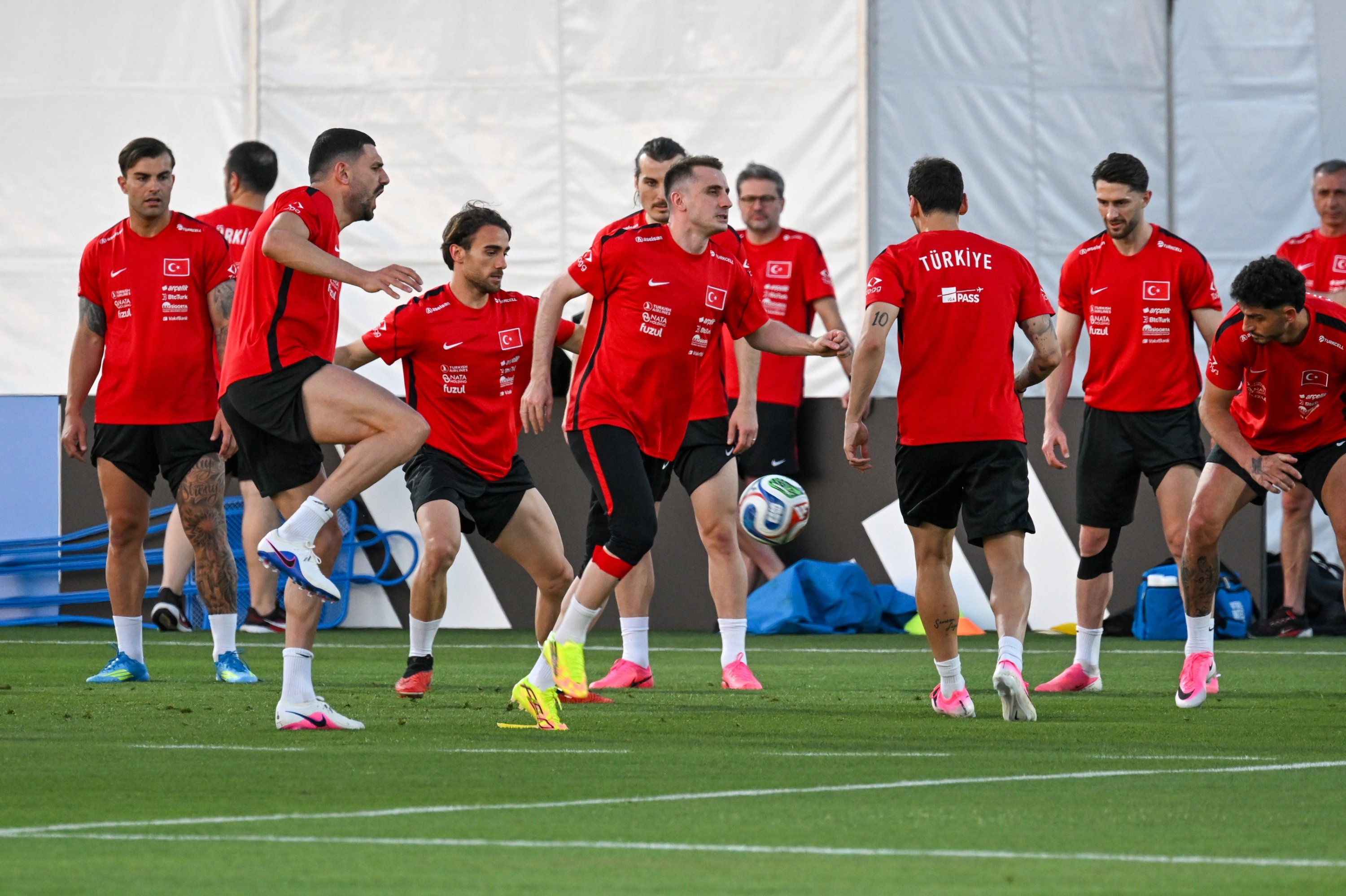
Türkiye’s return to the World Cup after 24 years is shaping into more than just a comeback story, with Australia defender Milos Degenek framing the Group D opener in Vancouver as a test of pressure, experience and expectation.
Türkiye arrive at the 2026 World Cup carrying both history and uncertainty.
Their last appearance in 2002 remains a national reference point, when Şenol Güneş led a disciplined, fearless side to a third-place finish, still the country’s deepest run on football’s biggest stage.
That tournament produced defining moments, including victories over Japan and Senegal and a tense semifinal shootout win over South Korea before a high-scoring win over the co-hosts secured bronze. Since then, World Cup qualification has been elusive, interrupted by near misses and long gaps that have only intensified the weight surrounding each new attempt.
The long wait ended through a demanding UEFA playoff campaign, where Türkiye battled through tight margins to secure their place in the 2026 edition hosted across North America. The achievement restored their presence among football’s elite, but it also reset expectations around a squad now judged less by qualification and more by what comes next.
Australia enter the fixture from a very different position. The Socceroos have built continuity at this level, qualifying for six straight World Cups and reaching the Round of 16 in both 2006 and 2022. That consistency has shaped a squad comfortable in tournament rhythms, where survival often depends on managing moments rather than chasing narrative breakthroughs. For Degenek, part of both the 2018 and 2022 squads, that familiarity is not just experience but identity.
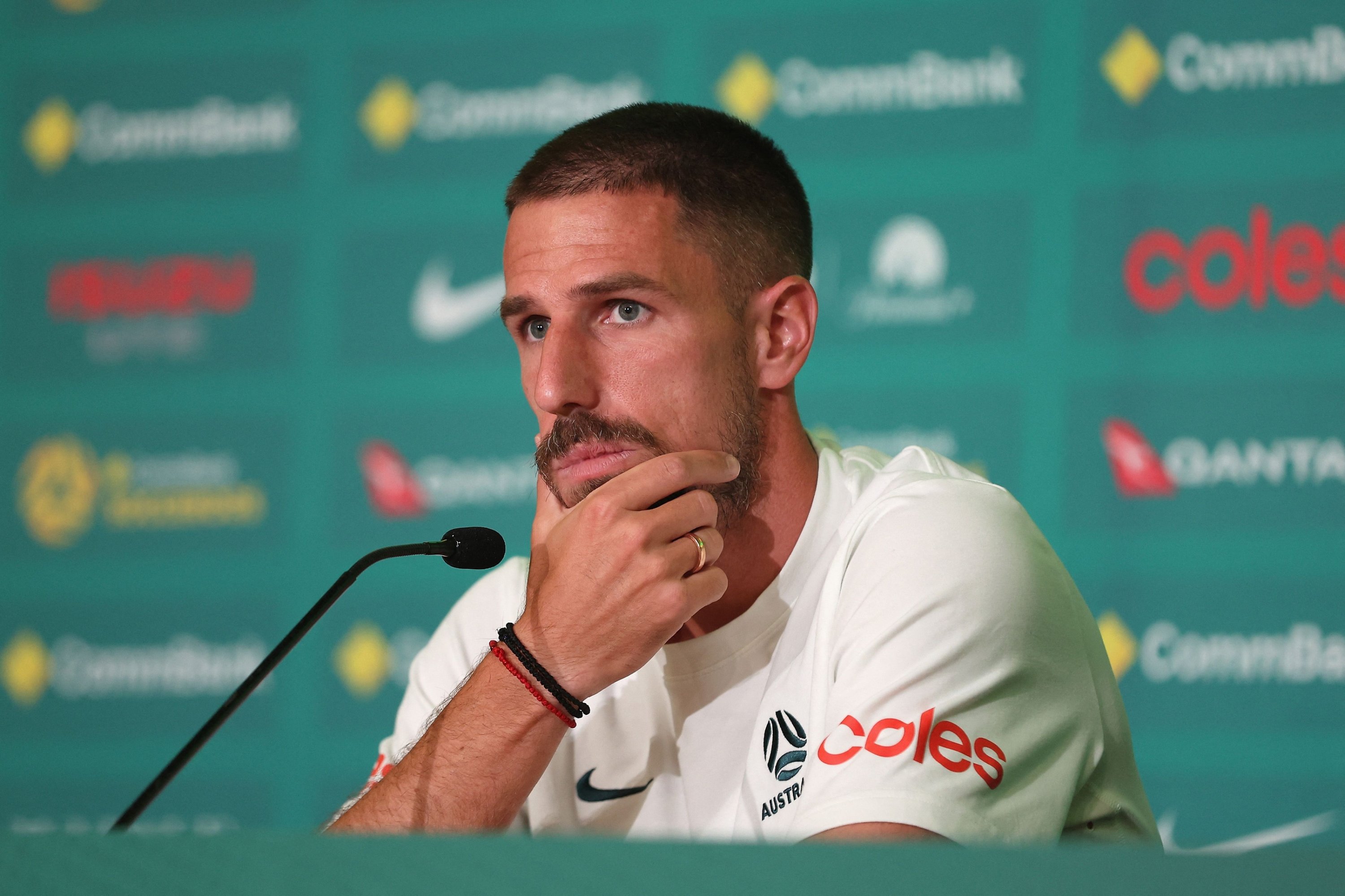
Speaking ahead of the match at BC Place, he pointed to the contrast in exposure between the two teams as a defining factor.
“Türkiye’s got a lot of pressure because they haven’t been to a World Cup since 2002,” Degenek said. “There’s a lot of hope on them and a lot of pressure, but we’re ready for that.”
His assessment also touched on a broader imbalance in tournament experience, noting that Australia’s core group has lived through multiple World Cup cycles, while Türkiye’s squad arrives largely untested at this stage despite its strong club-level pedigree across Europe’s top leagues.
“They’ve got players at the biggest clubs,” he added, “but we’ve got more experience in national team tournament football.”
That tension sits at the heart of the matchup. Türkiye bring a generation of talent that has raised expectations at club level, including Arda Güler at Real Madrid and Kenan Yıldız at Juventus, alongside a system shaped by Vincenzo Montella that blends technical quality with attacking ambition. Yet World Cup football often demands a different kind of resilience, one built on familiarity with pressure moments rather than reputation alone.
Australia, meanwhile, approach the opener with a settled competitive rhythm. Their recent tournament history has hardened a squad used to navigating group-stage margins, where early points often decide survival. That continuity gives them a sense of stability entering a group that also includes the United States and Paraguay, where every match carries early consequence in the expanded 48-team format.