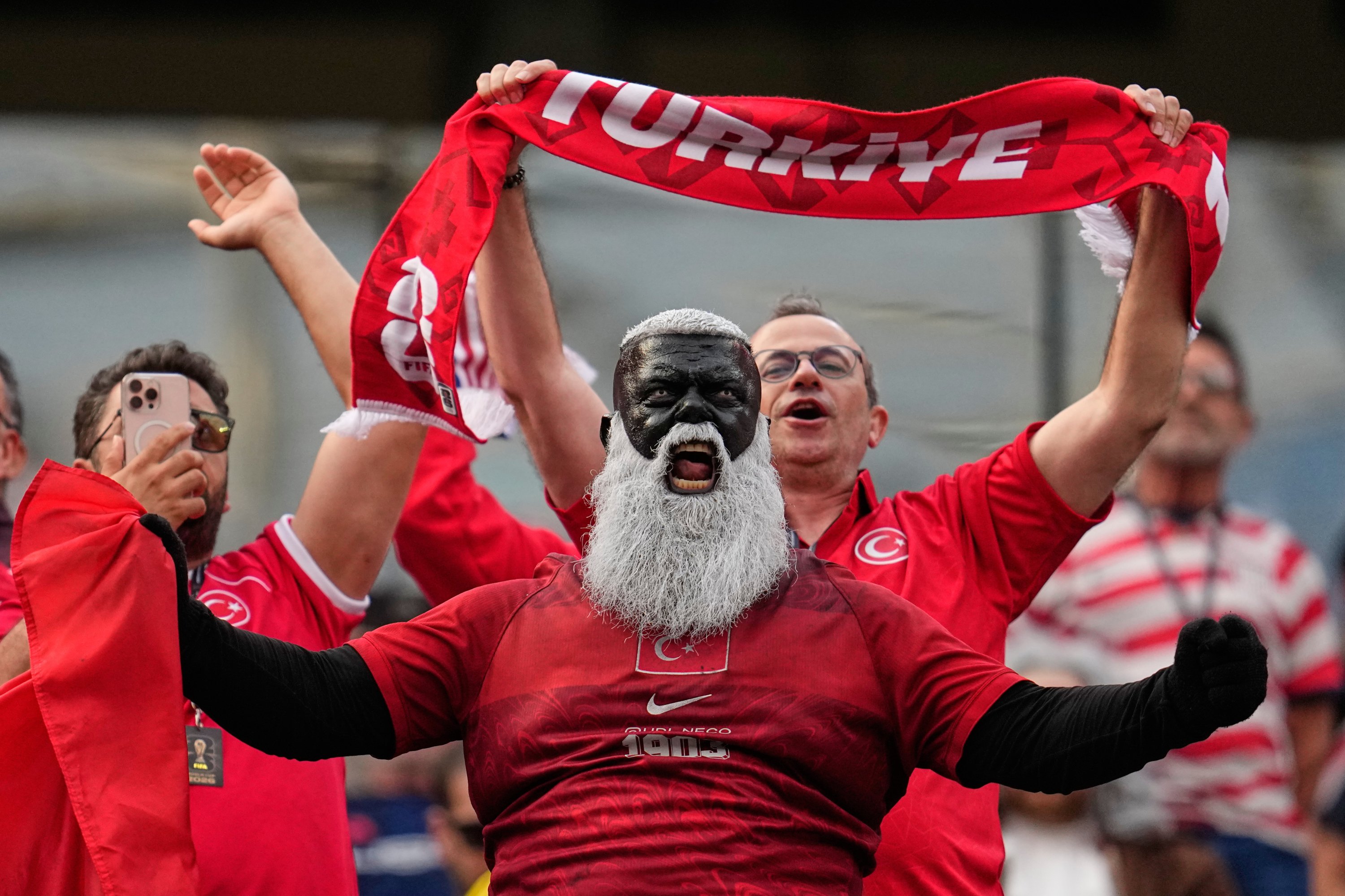
The 2026 FIFA World Cup has delivered more than memorable moments on the field, with supporters transforming stadiums and fan zones across the United States, Canada and Mexico into spectacular showcases of national pride through vibrant costumes, elaborate face paint and a sea of waving flags.
As the tournament heads toward its crescendo on July 19, fans from every corner of the globe have become part of the spectacle, creating an atmosphere that extends far beyond the action on the pitch.
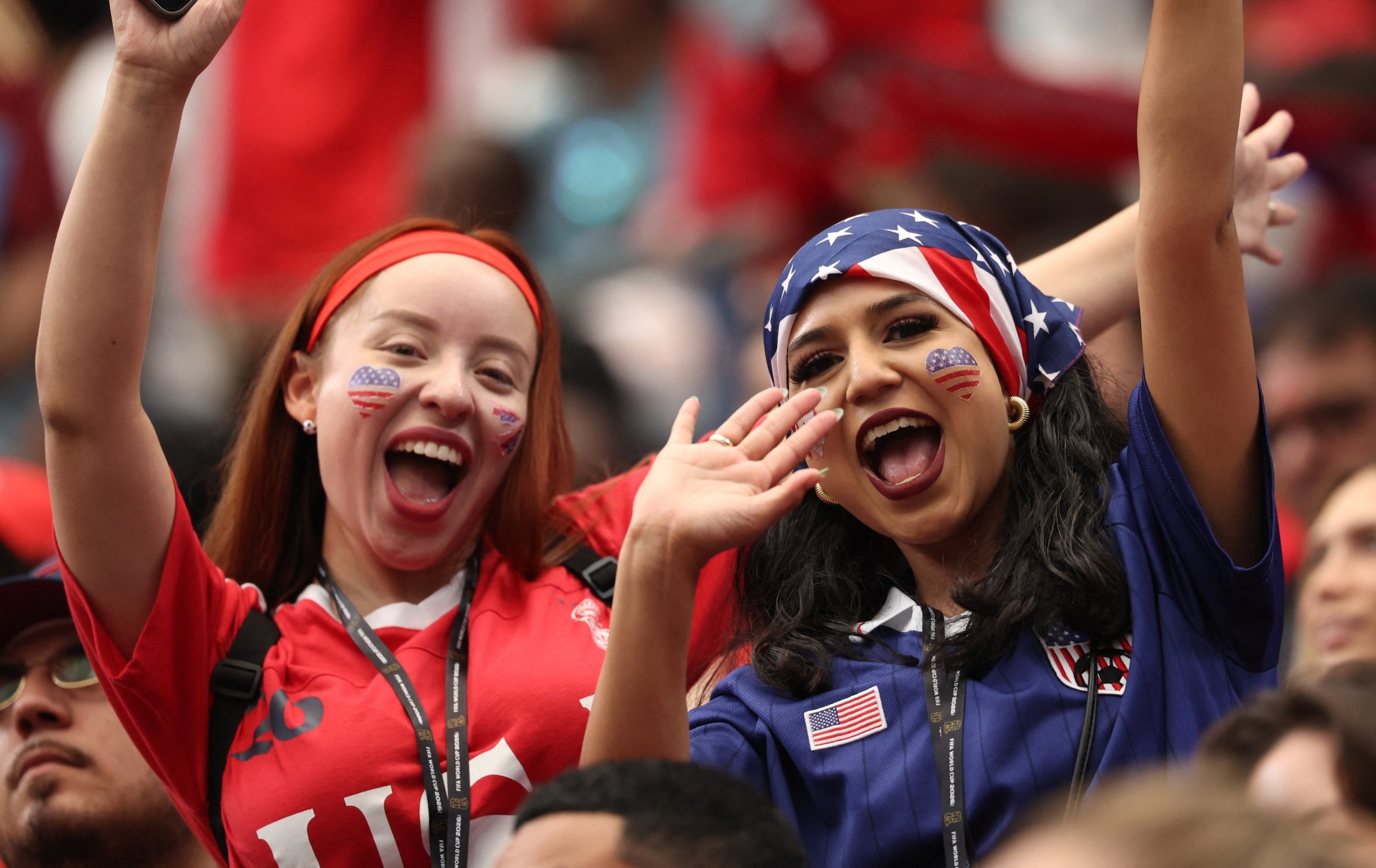
Every matchday has evolved into a celebration of culture, identity and football, with supporters turning host cities into lively festivals that highlight the diversity and unity of the world's most popular sport.
Official FIFA Fan Festivals and fan zones have emerged as gathering places for thousands of supporters, offering an immersive experience for those without match tickets while serving as meeting points for fans from different nations.
Host cities including Los Angeles, New York/New Jersey and Houston have welcomed crowds with giant viewing screens, live entertainment, concerts, food vendors, cultural exhibitions and interactive activities that keep the festivities going throughout the day.
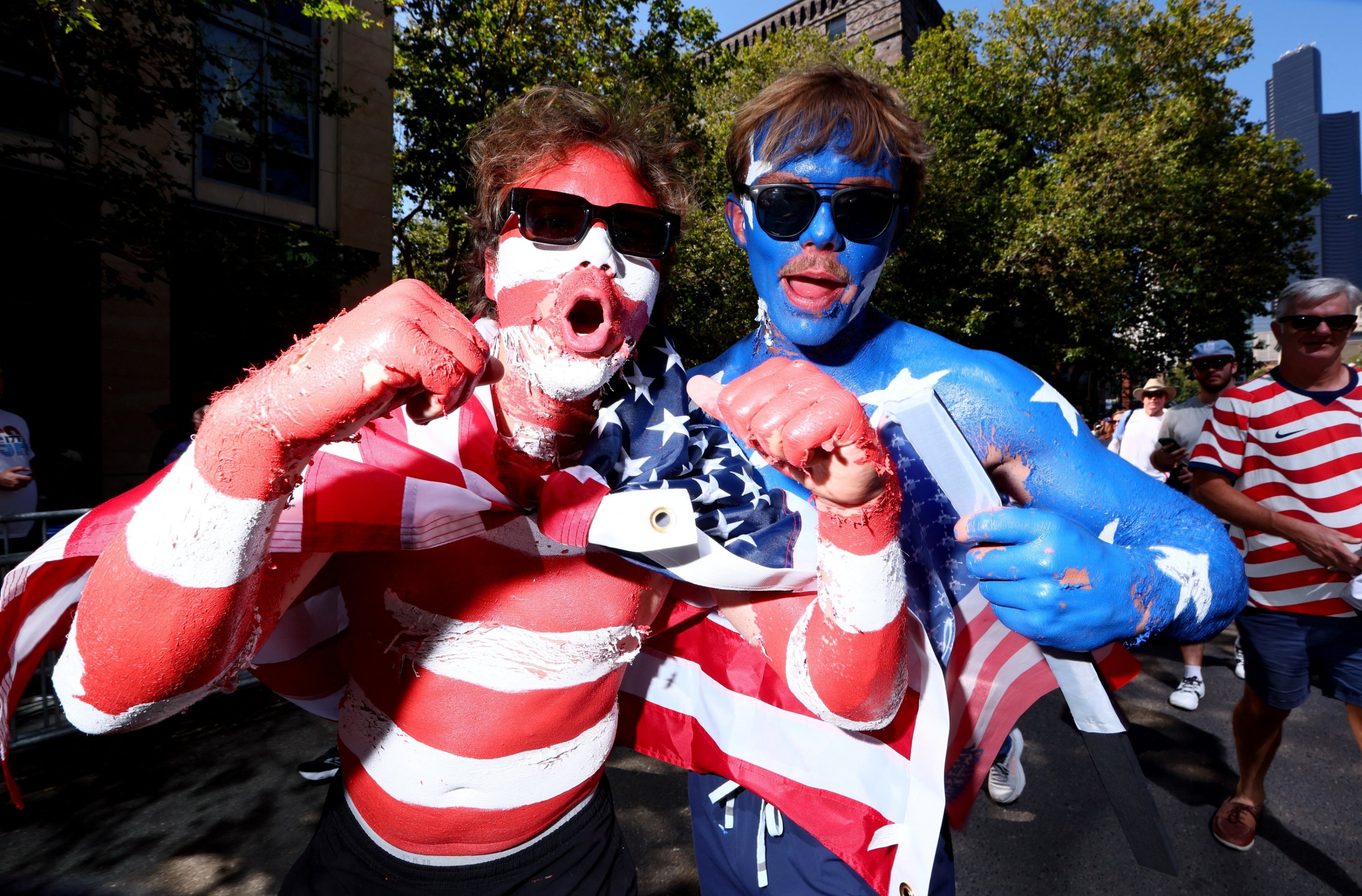
Long before kickoff, supporters have flooded these venues draped in national colors, singing anthems, exchanging scarves and taking photographs with rival fans. The atmosphere often resembles an international street festival, where football becomes the common language among strangers from every continent.
Inside stadiums, the celebrations intensify.
Hours before matches begin, supporters fill the stands with coordinated chants, colorful banners and synchronized displays that create breathtaking scenes visible across the arena.
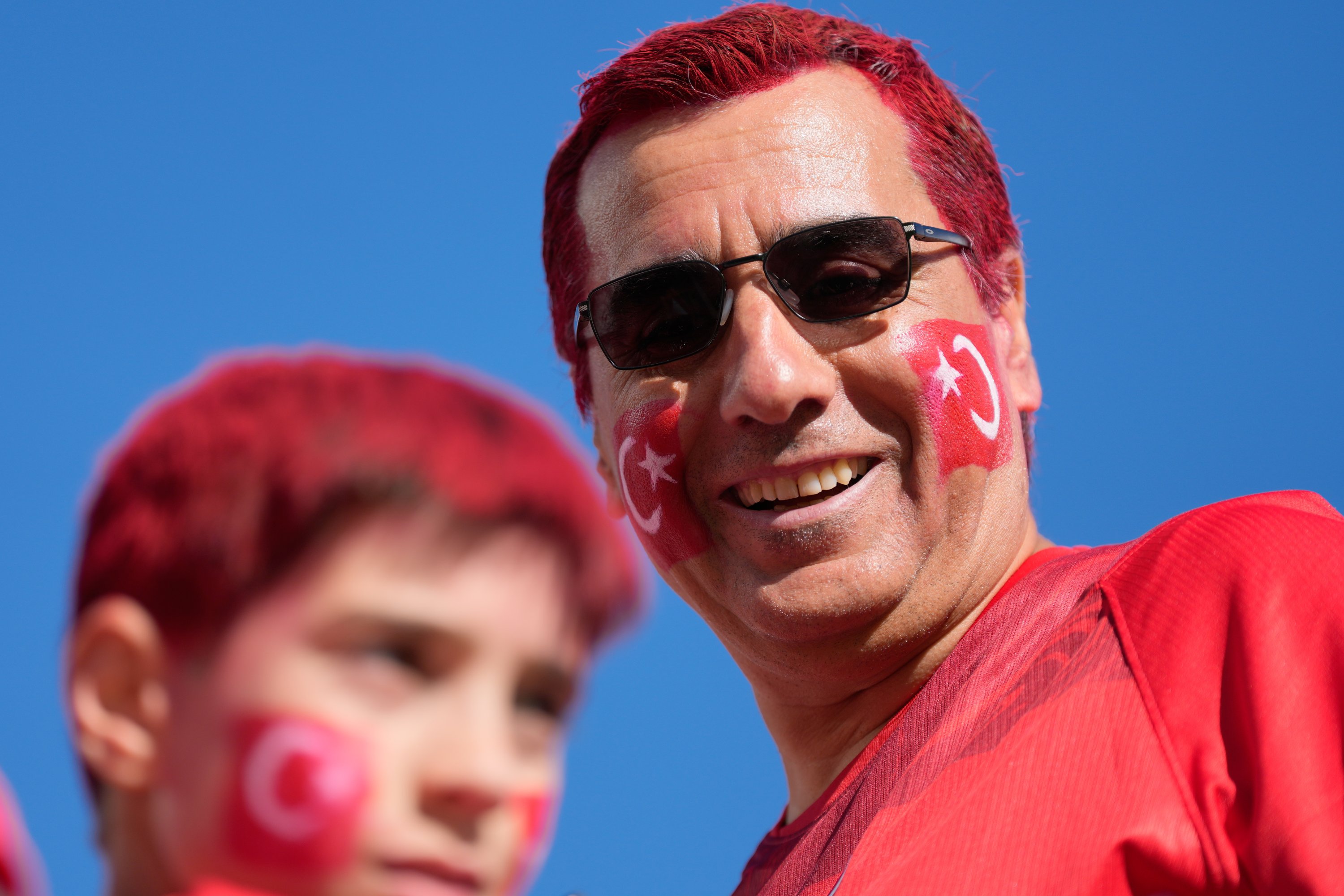
Among the tournament's most recognizable traditions is face painting, which has become an essential part of the World Cup experience.
Professional artists and volunteers at fan zones spend hours creating everything from simple flag designs to intricate portraits of star players, mascots and national emblems. The artwork allows supporters to wear their country's identity proudly throughout the tournament.
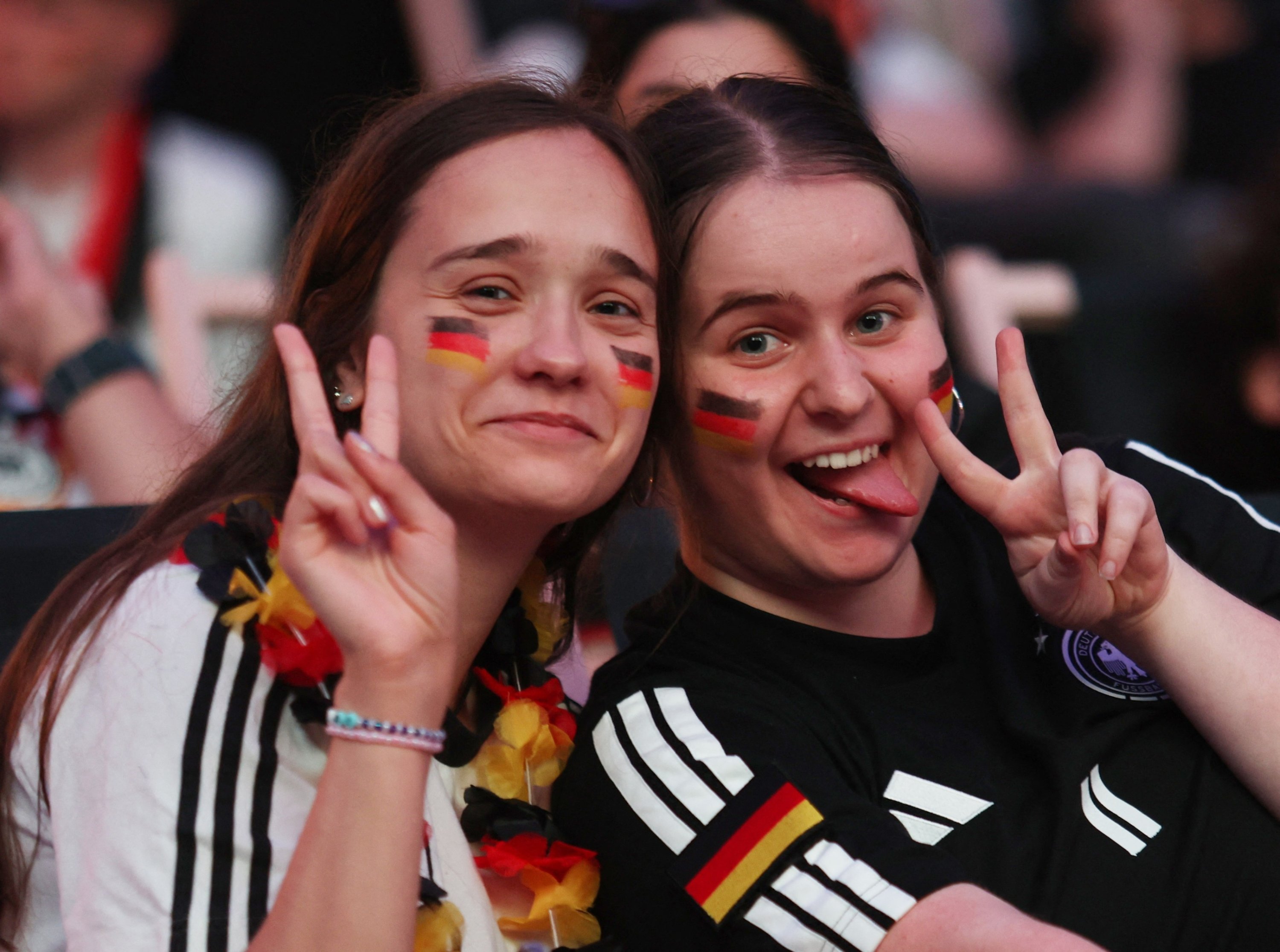
Brazilian fans remain among the most recognizable, covering their faces in green and yellow while celebrating football as an integral part of their national identity. Supporters from across the world have embraced similarly elaborate designs, with many dedicating hours to creating detailed artwork before entering stadiums.
The tradition has grown into one of the tournament's defining visual features, turning crowds into colorful displays of patriotism and creativity.
Supporters have once again demonstrated that World Cup fashion extends far beyond jerseys.
Fans frequently combine traditional clothing with football-themed accessories, producing elaborate outfits that celebrate both their heritage and their teams.
Japanese fans have blended traditional kimonos with modern football apparel and cosplay-inspired costumes while continuing their well-known tradition of helping clean stadiums after matches.
DR Congo supporters have attracted worldwide attention through Michel Kuka Mboladinga, better known as Lumumba Vea, whose unique "living statue" performance has become one of the tournament's most recognizable fan displays.
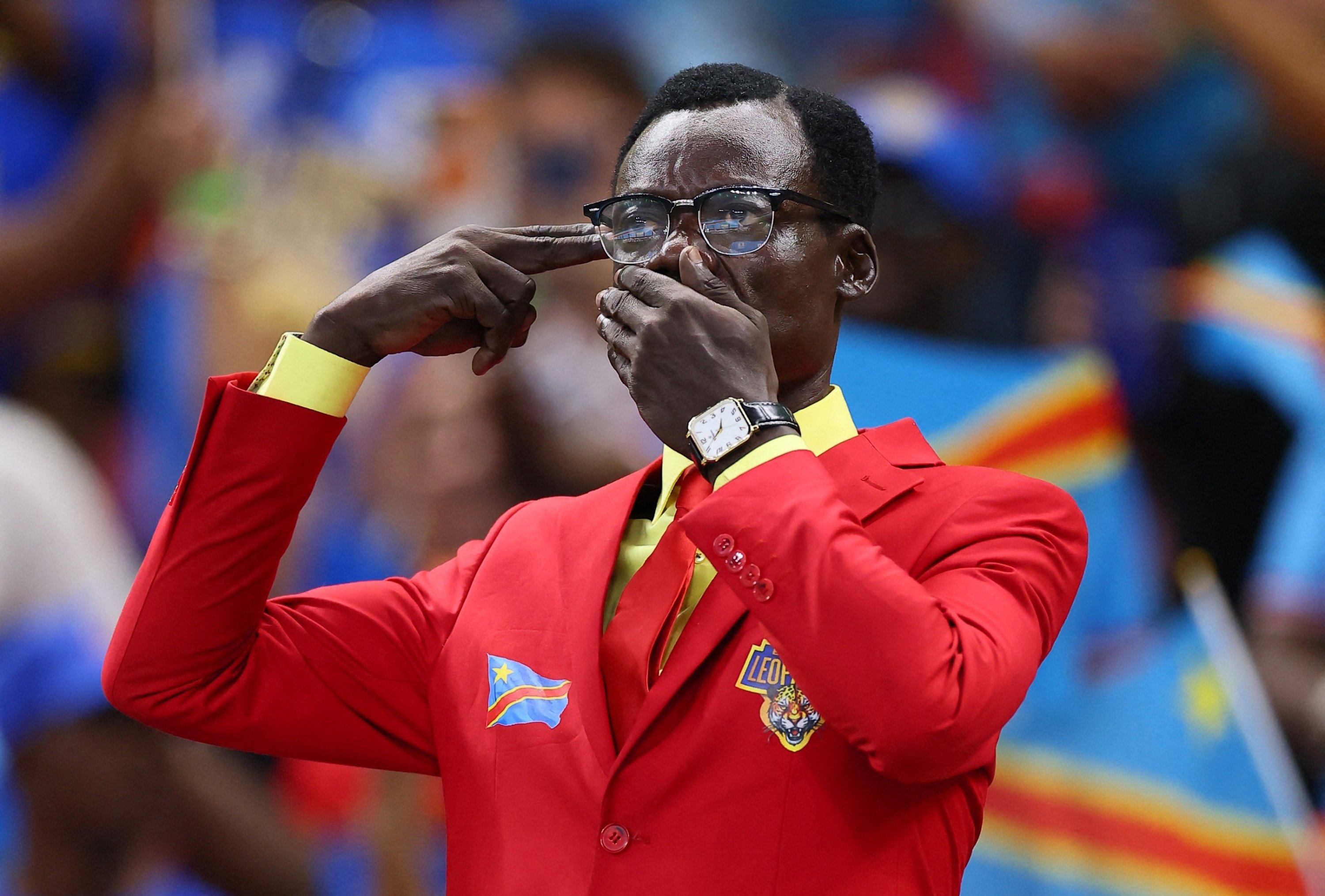
Standing motionless on a pedestal with his right arm raised in tribute to Patrice Lumumba, the Democratic Republic of Congo's assassinated independence leader and national hero, the superfan first gained international acclaim during the Africa Cup of Nations before bringing the tradition to the World Cup in Guadalajara, Mexico, for DR Congo's match against Colombia.
Despite visa challenges preventing him from attending some matches in the United States, Lumumba, and at times fellow supporters who have continued the symbolic pose, has turned the tribute into a powerful expression of resilience, historical remembrance and unwavering national pride.
Elsewhere, South Korean supporters have worn hanbok-inspired outfits, Norwegian fans have embraced Viking helmets, Colombian supporters have appeared in tiger costumes and lucha libre masks, Scottish fans have showcased tartan attire and their famous traffic cone hats, England supporters have dressed as medieval knights carrying St. George's flags, Moroccan fans have adopted lion-inspired themes and Dutch supporters have once again filled stadiums with their trademark sea of orange.
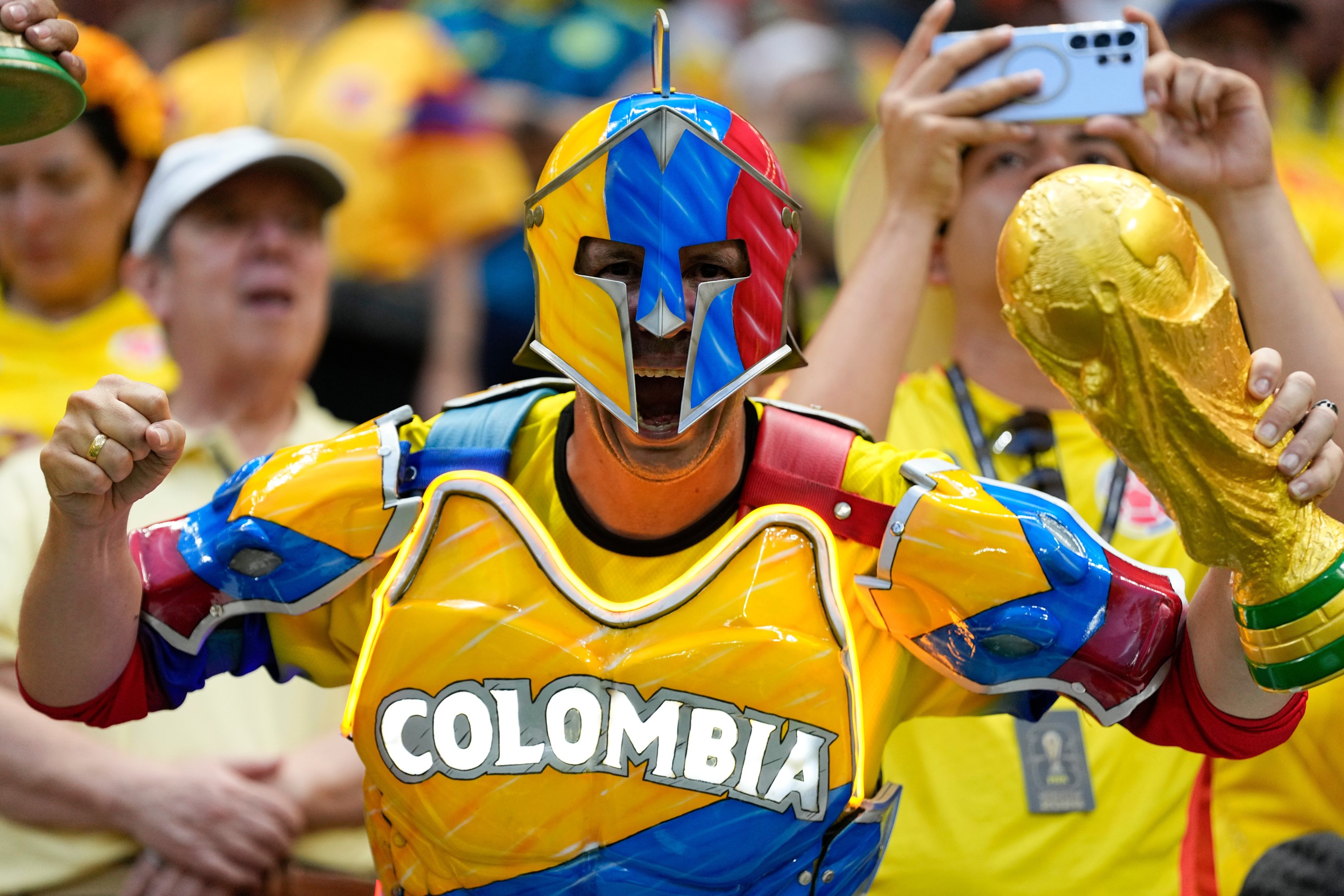
Many groups have spent months planning matching outfits, handcrafting accessories and organizing elaborate displays that have become attractions in their own right.
No symbol defines the World Cup more than the national flag.
Supporters wave them from the stands, wear them as capes and display massive coordinated banners that transform stadiums into colorful mosaics before kickoff.
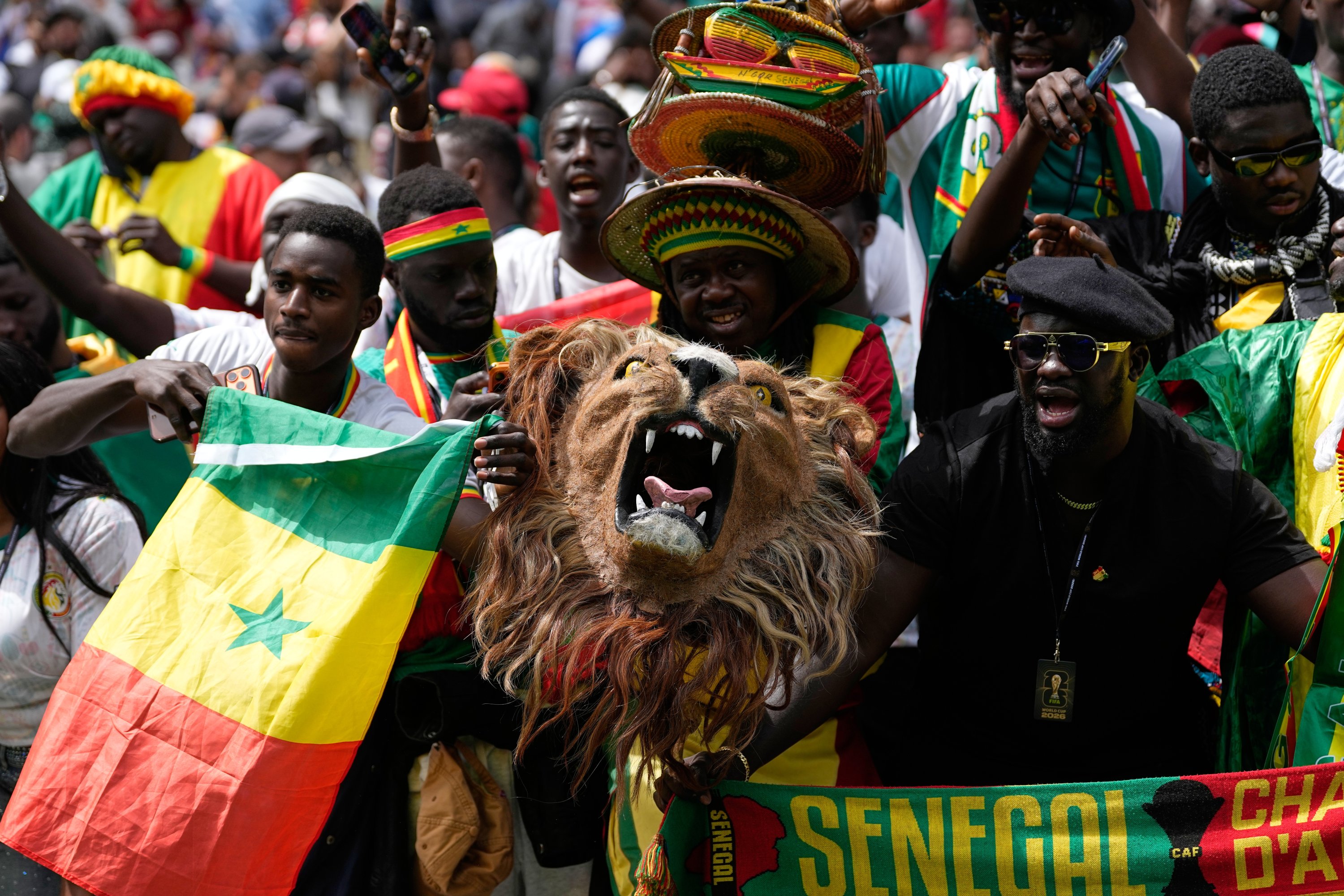
With the expanded 48-team tournament bringing together a record number of nations, flags have become powerful symbols of identity while also encouraging friendly exchanges between rival supporters sharing the same venues and fan festivals.
Scarves, jerseys and coordinated chants amplify the atmosphere, with traditions such as the United States supporters' "I Believe That We Will Win!" chant joining long-standing fan rituals from around the football world.
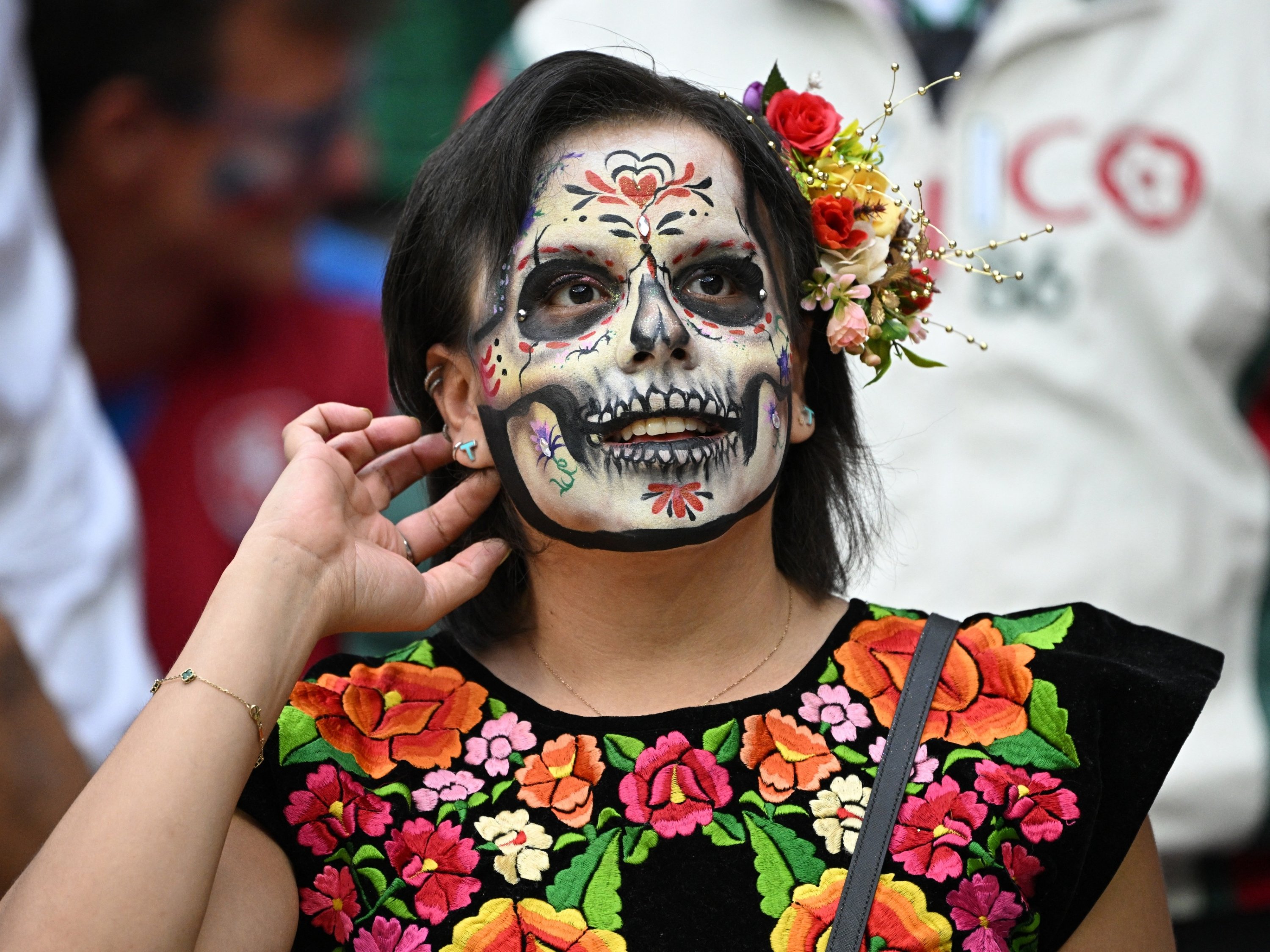
While the competition will ultimately crown football's next world champion on July 19, the fans have already created a tournament that celebrates something even broader.
The multicultural backdrop of North America has amplified the festival atmosphere, allowing supporters from different backgrounds to share traditions, music and customs while celebrating the sport together.