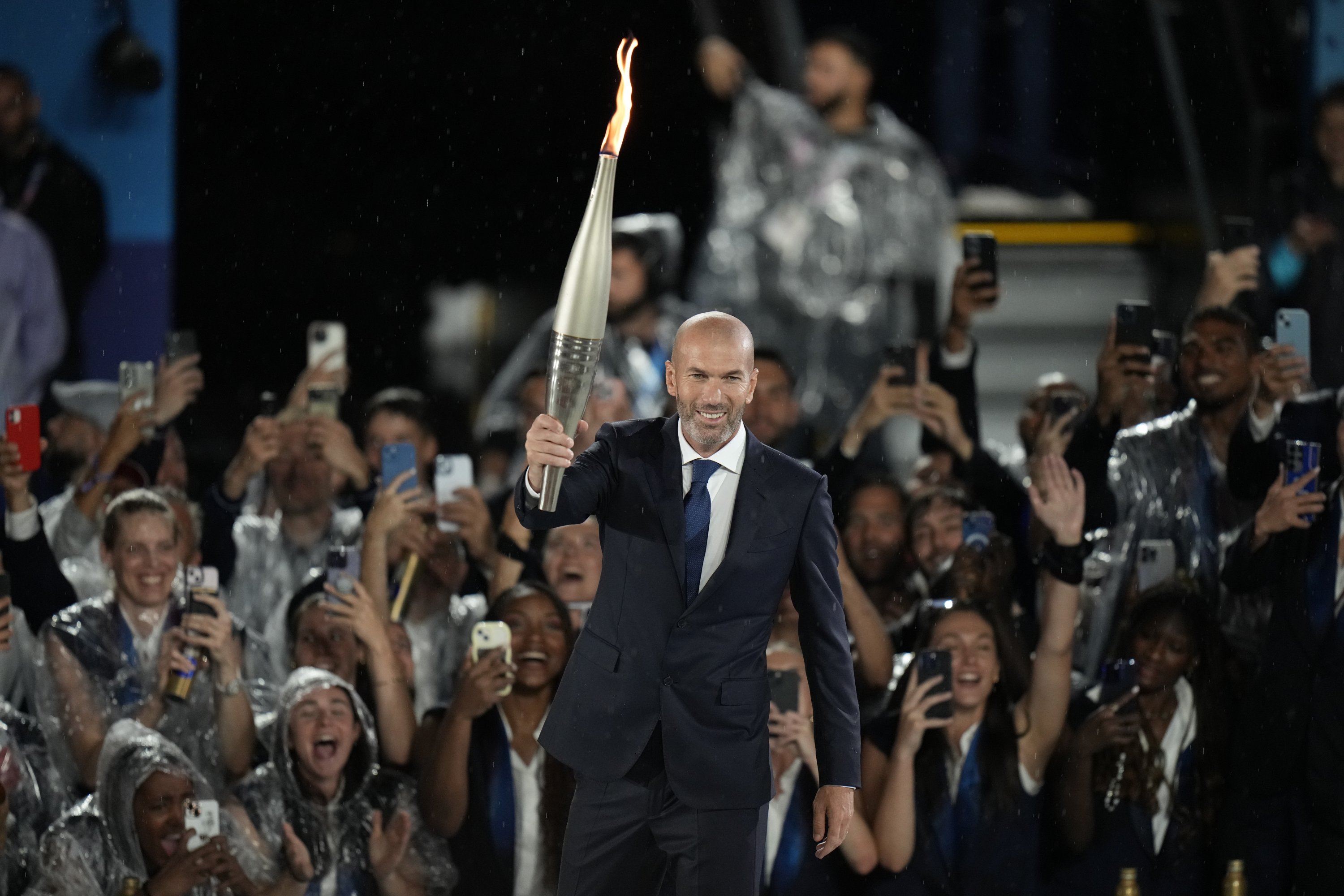
Zinedine Zidane is allegedly edging closer to taking charge of France, with multiple reports indicating a verbal agreement with the French Football Federation to succeed Didier Deschamps after the 2026 World Cup.
The anticipated appointment would close one of the most decorated managerial eras in international football.
Deschamps, in charge since 2012, has delivered sustained success built on structure, discipline and depth.
He guided France to the 2018 World Cup title in Russia, added the 2021 Nations League crown and led the team to two more major finals, Euro 2016 and the 2022 World Cup in Qatar, narrowly missing out on both.
Now 56, Deschamps has made clear his intention to step aside after the 2026 tournament, choosing to end his tenure after 14 years at the helm.
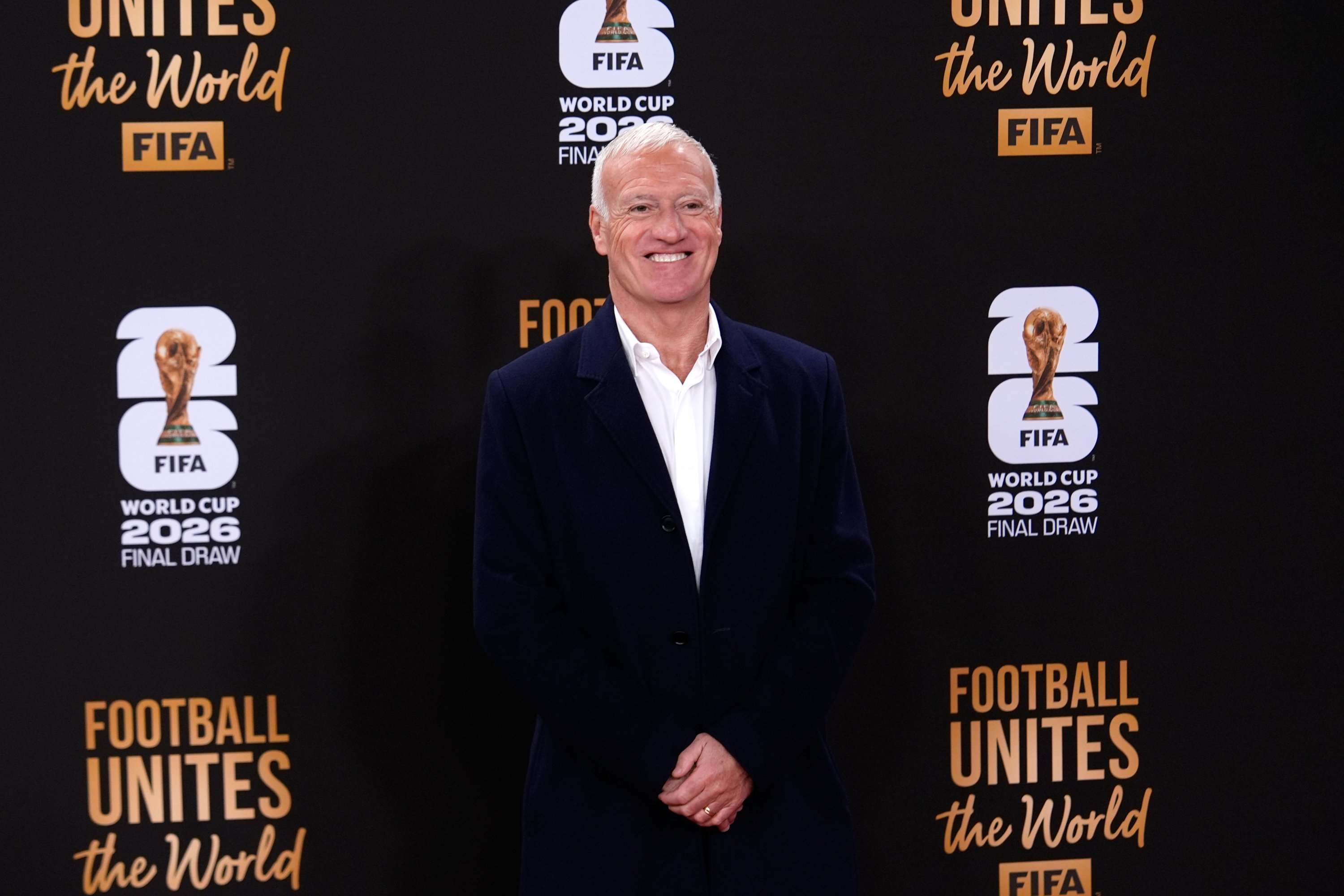
His decision has given the federation room to quietly craft a succession plan, one long pointing toward Zidane, Deschamps’ former Les Bleus teammate from the 1998 World Cup-winning side on home soil.
Zidane’s path to the role has been deliberate.
Since leaving Real Madrid in 2021, the former France captain has resisted repeated offers across Europe and beyond, prioritizing the national team job. His patience now appears set to be rewarded.
French federation president Philippe Diallo recently confirmed he already knows who will lead the team into the next cycle, stopping short of naming Zidane but reinforcing the sense that the transition is effectively settled.
The formal announcement is expected only after the World Cup to avoid disrupting Deschamps’ final campaign.
Zidane steps in with elite pedigree, even without international coaching experience.
His time in Madrid produced an unprecedented three straight Champions League titles between 2016 and 2018, along with two La Liga triumphs.
Beyond trophies, his defining strength has been man management, balancing egos and extracting peak performances from world-class players in high-pressure environments.
That skill will be vital with a France squad entering another golden phase. Kylian Mbappe remains the focal point and likely long-term leader, while Ousmane Dembele has rediscovered consistency and impact.
Emerging talents such as Michael Olise, Rayan Cherki and Warren Zaïre-Emery add creativity and energy, supported by a core that blends experience with tactical versatility.
The timing also offers continuity. Rather than a disruptive mid-cycle change, Zidane would inherit a squad already shaped for success, allowing him to imprint his style gradually ahead of the 2030 World Cup cycle.
For Deschamps, the mission is clear. France will head into 2026 as one of the favorites, and the outgoing coach will be determined to leave with a second World Cup title, reinforcing a legacy that already ranks among the finest in the sport.