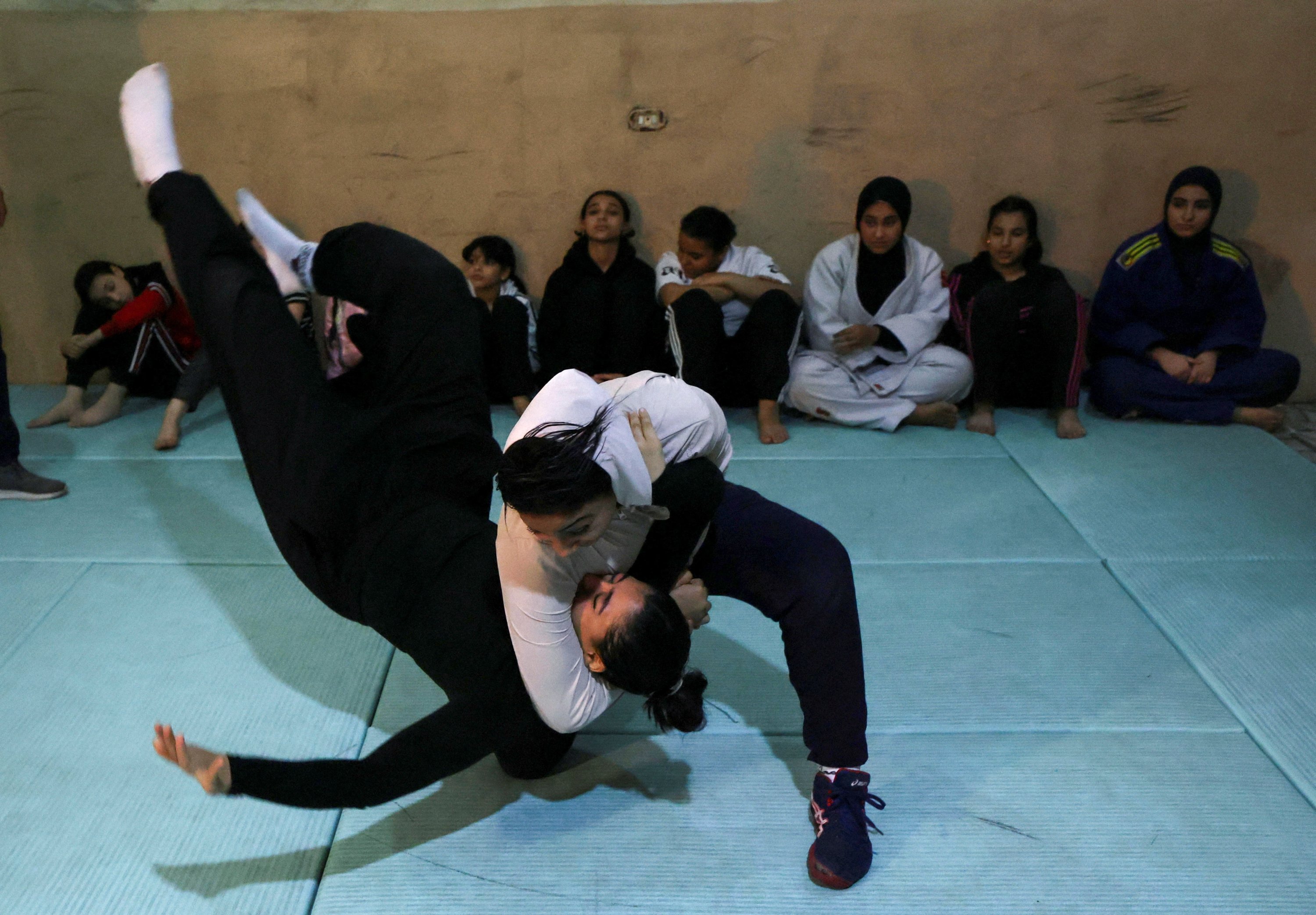
In a cramped hall no bigger than a living room in the working-class Nile Delta city of Mansoura, girls grapple, tumble and scramble back to their feet on worn mats, their laughter and shouts ricocheting off peeling walls.
As Egypt celebrates its Olympic medals in wrestling, weightlifting and other sports, thousands of young athletes beyond the capital grind it out in tiny clubs like this one – 135 kilometers (85 miles) from Cairo and far removed from the country’s major sporting hubs.
Yet the al-Shal and Manshiya Club has produced national champions in wrestling and judo, and one of its teenage stars is set to represent Egypt at the Youth Olympics.
Its achievements come despite chronic underfunding, outdated equipment and a lack of regular government support.
While Egypt’s population grew by almost a third between 2011 and 2023, the number of sports clubs fell by more than 4%, according to data from the state statistics agency CAPMAS.
Most clubs are privately run, and resources remain thin.
A spokesperson for the Youth and Sports Ministry, Mohamed al-Shazly, said Egypt provides “full and comprehensive financial and in-kind support to clubs,” but funding depends on available resources and ministry plans and is routed through each sport’s federation.
The federations, however, often have to channel that funding to national teams only.
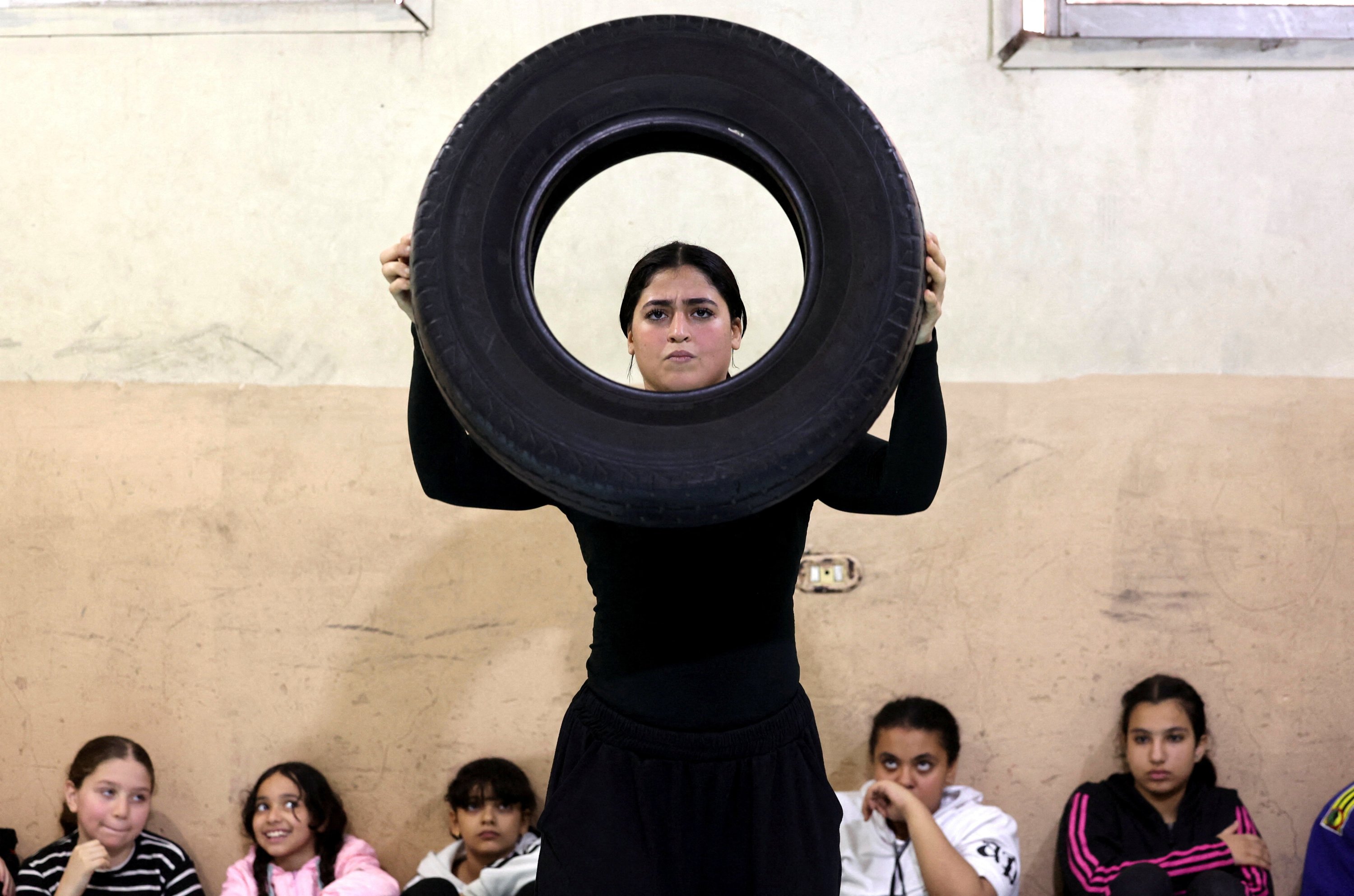
“If you have 1,000 players, for example, you pick the best 10 to sponsor because they represent Egypt,” said Ibrahim Moustafa, secretary general of the Egyptian Wrestling Federation.
“The club itself has to finance equipment and training for the other players,” he added.
That is what makes clubs like al-Shal seem miraculous.
“Limited resources, immense achievements,” said coach Mahmoud al-Wafaa’i, who is unpaid and trains the girls out of what he describes as a love for the sport.
“The hall is only 3.5 meters by 3.5 meters – practically impossible to create even one champion in. Yet we produce champions,” he said.
Al-Shal is emblematic of broader structural problems across Egypt. CAPMAS data show that in many governorates, government-run clubs employ far more administrative staff than trainers.
Still, al-Shal’s Rodaina Ahmed Gamal, 15, a national gold medalist who has qualified for the 2026 Dakar Youth Olympics, said she prefers training there to larger clubs she can access.
“There are about 20 of us in a small hall here, and you feel like we’re all looking out for each other,” Rodaina said.
Her mother, Rasha Mahmoud, said the club provides the space and the coach, but families are strained covering nearly everything else.
“Rodaina might enter three championships in one month – three registrations, three weigh-ins, three stays. I pay for that,” she said.
For older athletes like Nadia Hazem Mahmoud, 20, now in her second year at university, the barriers are also social.
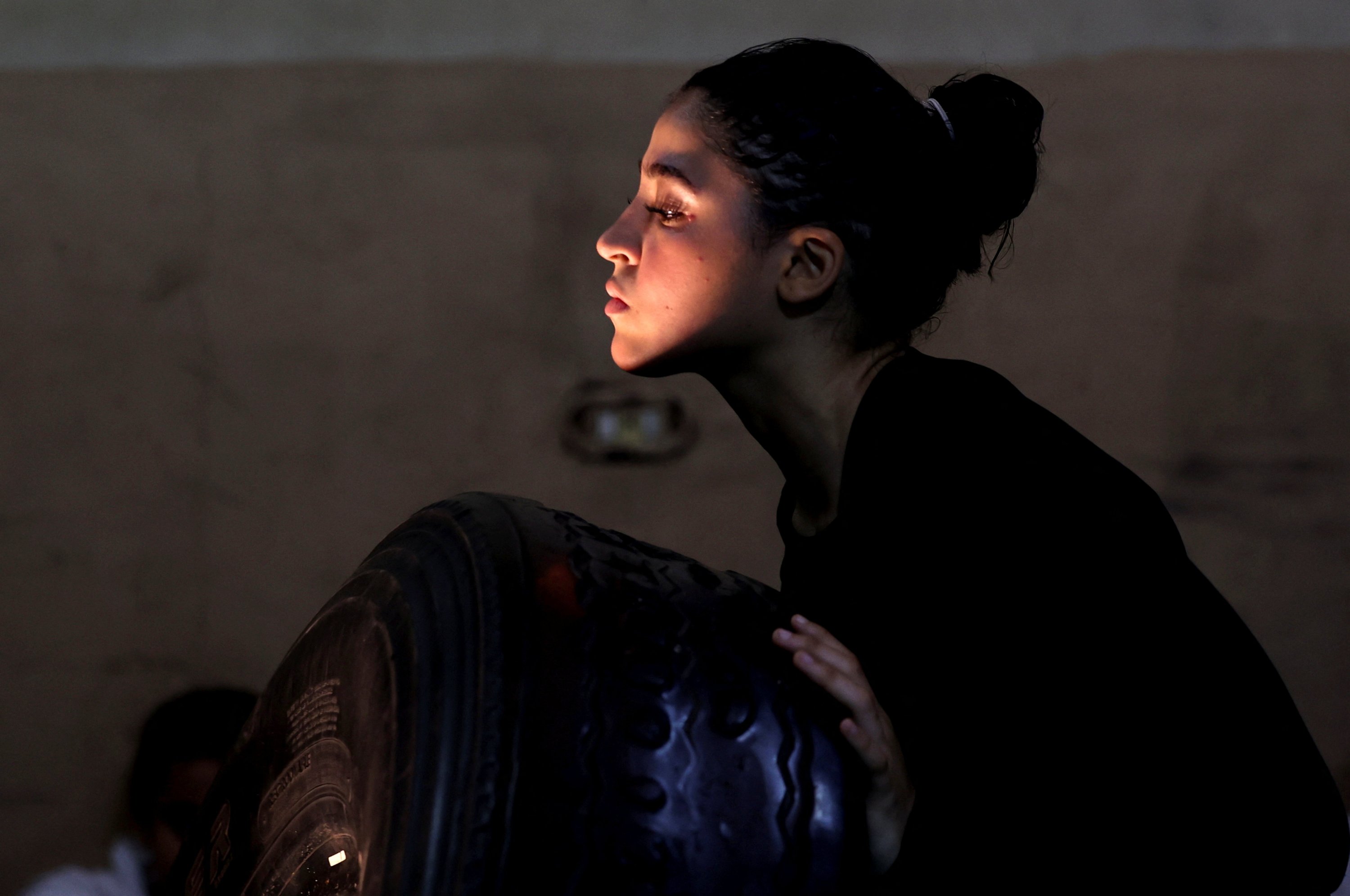
“People say, ‘How can a girl play wrestling?’ I took it up as a hobby. And when I felt I was achieving things in it, I loved the sport,” she said.
The strength the girls gain from wrestling also helps them protect themselves mentally and physically, Rasha said.
Al-Wafaa’i said Rodaina’s success has helped attract younger girls, building a base of more than a dozen trainees under age 12 and providing an outlet in their low-income neighborhood.
Egypt sent 148 athletes to the Paris 2024 Olympics and won three medals in pentathlon, fencing and weightlifting. But in Mansoura, far from Olympic ceremonies, the future of women’s sport still depends on clubs like al-Shal.
As Rodaina put it: “I started here, so I want to finish here. I want to say I brought an African medal from Al-Shal Club.”