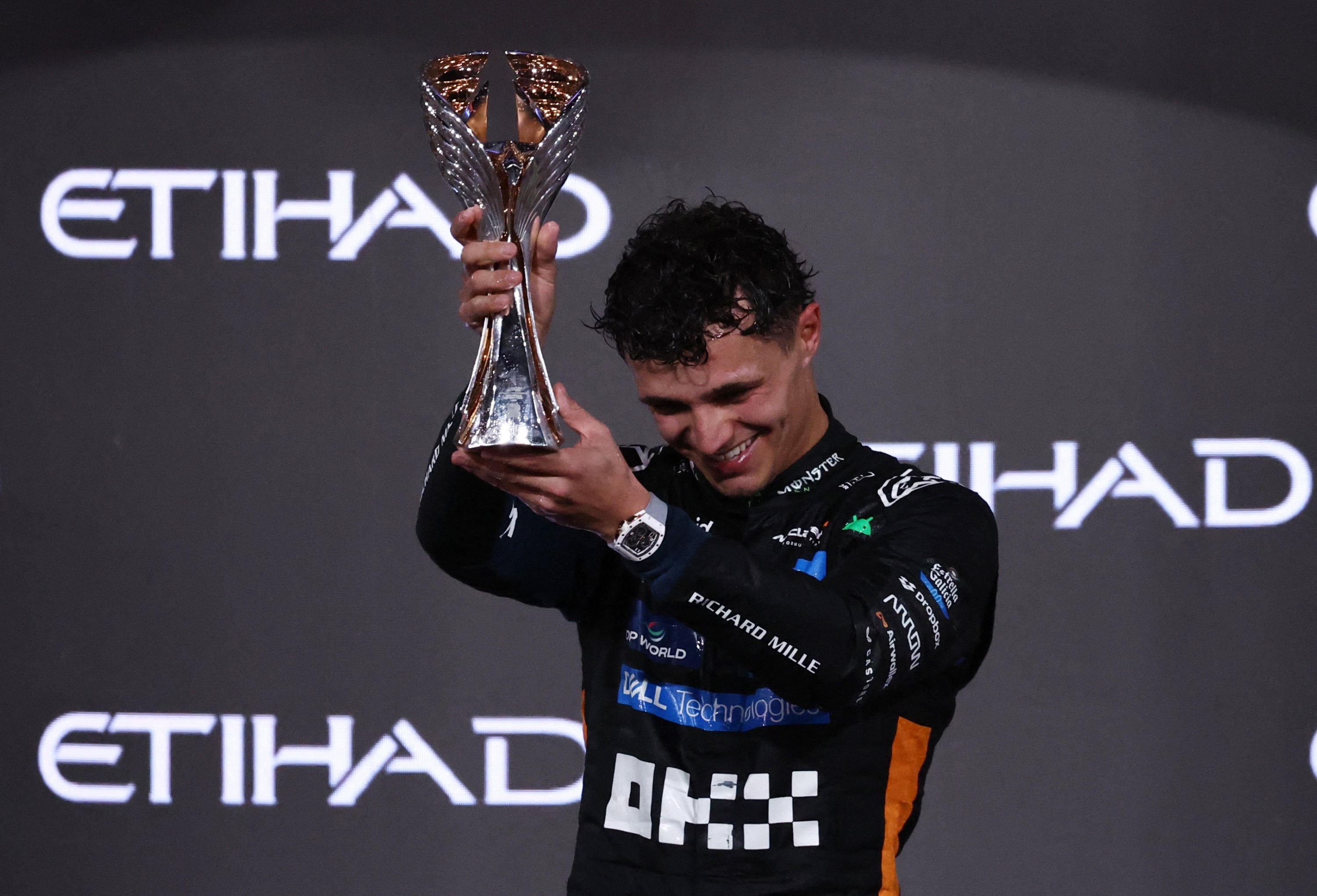
Abu Dhabi closed the curtain on one of Formula One’s most dramatic seasons, with Lando Norris securing his first world championship. Beyond the race highlights, the paddock is already buzzing: What changes are coming next and how will the 2026 shift reshape the grid? I asked the key questions and gathered what to expect as F1 enters a new era.
I witnessed one of the most defining moments in recent Formula One history and this time, I watched it unfold from Abu Dhabi as a guest of Pirelli. Under the floodlights of Yas Marina, with the desert air turning electric long before the engines fired up, the 2025 season reached its final heartbeat. Max Verstappen won the race, yes, but the night belonged to Lando Norris, who crossed the line in third and emerged as the 2025 Formula One World Champion. In the warm glow of floodlights and fireworks, it felt like a passing of eras. A new champion for a sport already accelerating toward a fundamentally different future.
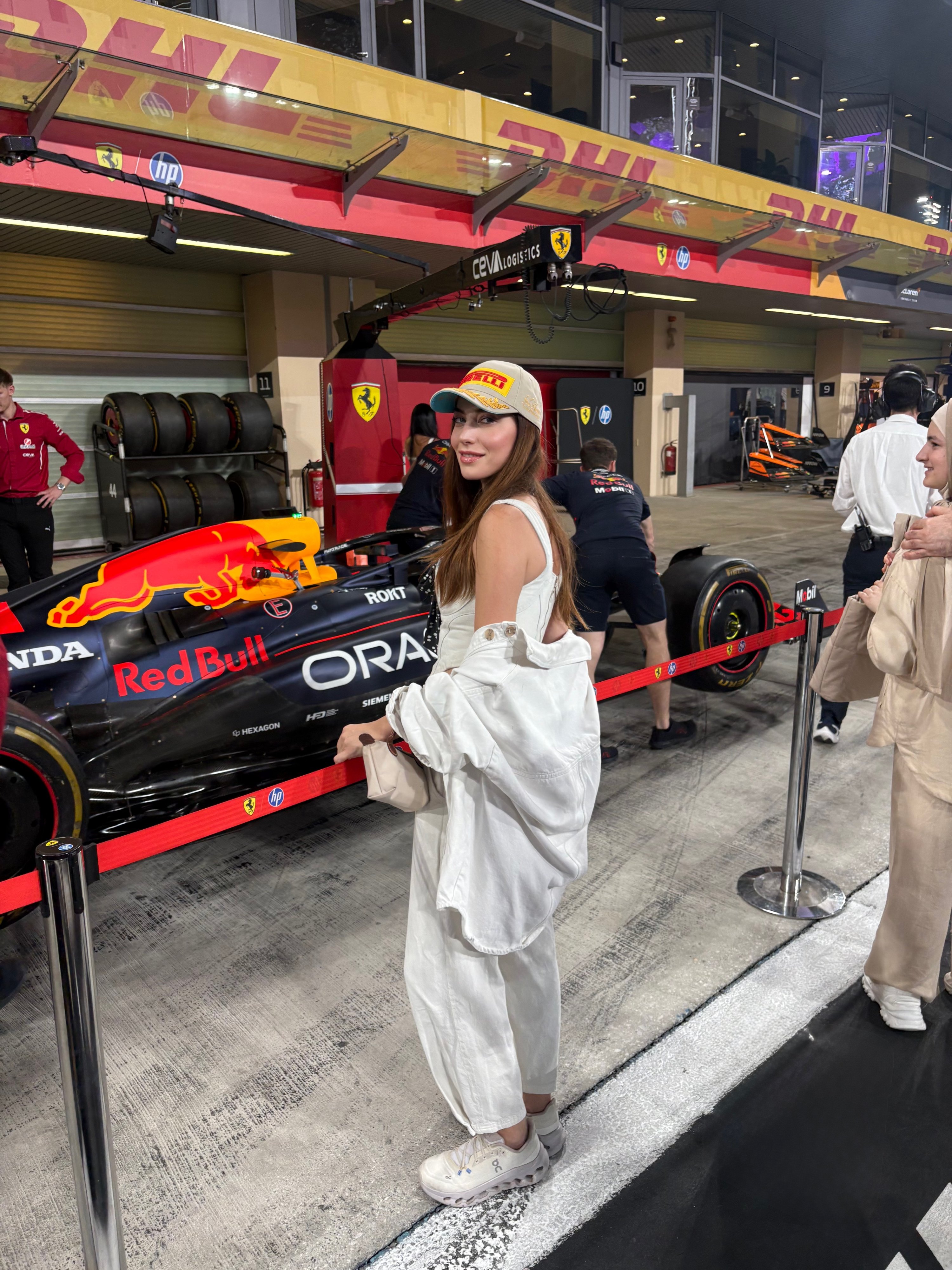
Formula One’s next revolution begins next season and the rulebook reads like the blueprint for a hybrid world where sustainability and performance shake hands.
Turning to the cars themselves, the shift is even more dramatic. For a decade, F1 machines have grown heavier and more demanding to maneuver. The 2026 grid reverses that trend entirely. The cars will be smaller, lighter and more agile, with narrower tires and new active aerodynamics that let them switch between high downforce in corners and low drag on straights. It’s the closest F1 has come to blending old-school agility with futuristic engineering. The grid itself will look refreshed as well.
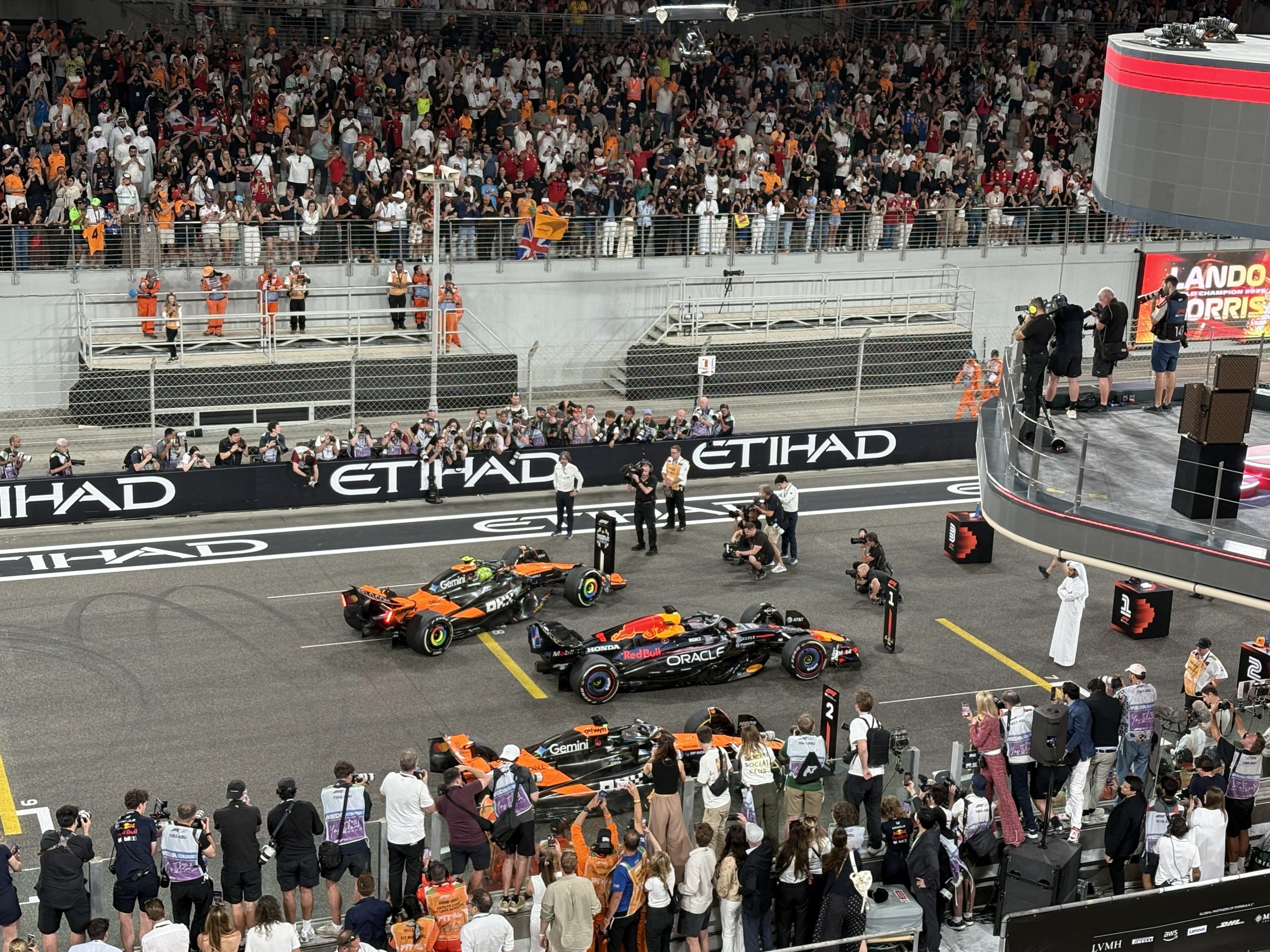
Cadillac is joining the championship, adding a distinctly American chapter to the paddock. Honda returns, Audi arrives, and Red Bull’s collaboration with Ford debuts, creating a lineup that feels globally balanced and fiercely competitive. It’s been years since F1 welcomed this many new names at once. And, woven through all of this, sustainability takes center stage. From 2026 onward, F1 will run on fully sustainable fuel, a shift that isn’t just symbolic but industrial. With more than a billion combustion-engine cars still expected on the roads globally, the technology F1 develops here could ripple far beyond the grid. Walking out of the paddock after the Abu Dhabi finale, the feeling was unmistakable: Formula One is stepping into a new identity. The champion crowned this year belongs to the sport’s fresh generation; the rules arriving in 2026 belong to its future. A faster, cleaner, more daring Formula One is coming and the countdown has already begun.
In addition to offering a technical lens on modern motorsport, my conversation with Pirelli Motorsport Director Mario Isola revealed a strategic shift that reaches far beyond tire performance itself. Isola outlined Pirelli’s long-term vision: by 2040, all tire materials are expected to come from nonfossil, biological, or recycled sources – a transition already underway through the P Zero E line, which achieved 55% sustainable content in 2023 and is projected to reach 80% by 2030.
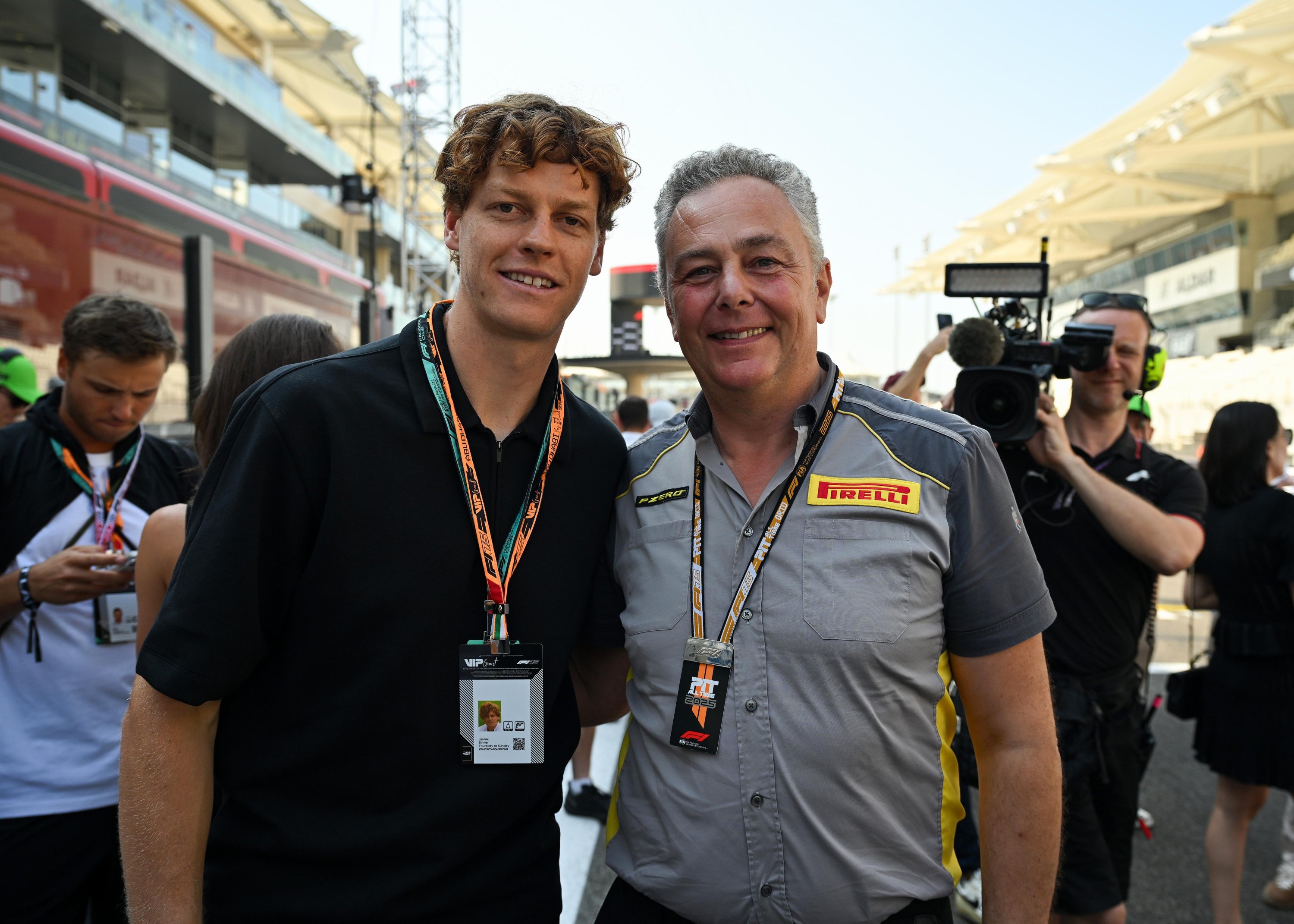
This direction aligns closely with Formula One’s own sustainability roadmap, a point Isola underscored as he noted the promoter’s clear mandate to achieve net-zero status by 2030. As he explained, sustainability is now a core pillar of Pirelli’s development strategy. The company has already restructured key logistics, shifting most goods to sea freight, optimizing operational flows and refining countless smaller processes to reduce environmental impact. “We embraced this journey together with the promoter to be net zero in 2030, and we will continue to push on it,” Isola said, framing Pirelli’s approach as both an industry responsibility and an innovation opportunity.
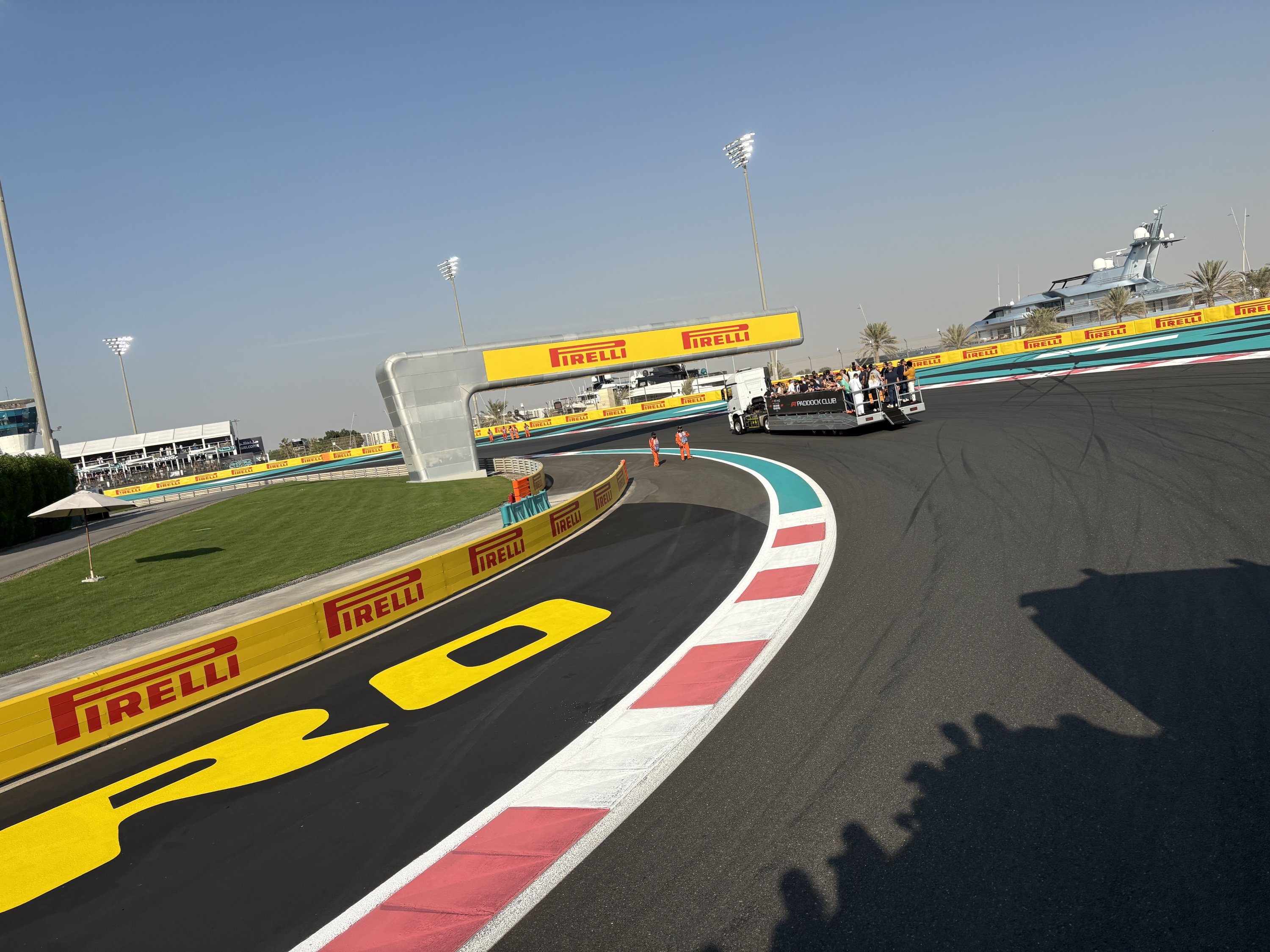
Off the track, the paddock culture itself offered a reminder of Formula One’s global character. DO & CO, the Austrian hospitality brand founded by Atilla Doğudan, has been responsible for catering VIP guests in the Formula One Paddock Club since 1992. And at Abu Dhabi, one dish unexpectedly stole the spotlight: the Turkish classic "mantı" (Turkish ravioli-like dumplings). It quickly became a favorite among VIP guests, a small but striking example of how the brand continues to shape the F1 experience both on and off the track.
At just 15 years old, Alp Hasan Aksoy is already a rising star in the world of motorsport. Like many top drivers, he began his journey in F4, and now he is quickly making a name for himself. I had the pleasure of meeting Aksoy in Abu Dhabi and it was impossible not to feel proud of his achievements. Making his Abu Dhabi debut, he started the race in seventh position and with remarkable skill and determination, crossed the finish line in third, yet another podium for the young talent. Before joining Prema, Aksoy kicked off his single-seater career with a victory in the season-opening Formula Trophy race at Dubai Autodrome, signaling that the motorsport world would be hearing his name for years to come.