Daily Sabah logo

Politics
Diplomacy Legislation War On Terror EU Affairs Elections News Analysis
TÜRKİYE
Istanbul Education Investigations Minorities Expat Corner Diaspora
World
Mid-East Europe Americas Asia Pacific Africa Syrian Crisis Islamophobia
Business
Automotive Economy Energy Finance Tourism Tech Defense Transportation News Analysis
Lifestyle
Health Environment Travel Food Fashion Science Religion History Feature Expat Corner
Arts
Cinema Music Events Portrait Reviews Performing Arts
Sports
Football Basketball Motorsports Tennis
Opinion
Columns Op-Ed Reader's Corner Editorial
PHOTO GALLERY
JOBS ABOUT US RSS PRIVACY CONTACT US
© Turkuvaz Haberleşme ve Yayıncılık 2025

Daily Sabah - Latest & Breaking News from Turkey | Istanbul

  • Politics
    • Diplomacy
    • Legislation
    • War On Terror
    • EU Affairs
    • Elections
    • News Analysis
  • TÜRKİYE
    • Istanbul
    • Education
    • Investigations
    • Minorities
    • Expat Corner
    • Diaspora
  • World
    • Mid-East
    • Europe
    • Americas
    • Asia Pacific
    • Africa
    • Syrian Crisis
    • Islamophobia
  • Business
    • Automotive
    • Economy
    • Energy
    • Finance
    • Tourism
    • Tech
    • Defense
    • Transportation
    • News Analysis
  • Lifestyle
    • Health
    • Environment
    • Travel
    • Food
    • Fashion
    • Science
    • Religion
    • History
    • Feature
    • Expat Corner
  • Arts
    • Cinema
    • Music
    • Events
    • Portrait
    • Reviews
    • Performing Arts
  • Sports
    • Football
    • Basketball
    • Motorsports
    • Tennis
  • Gallery
  • Opinion
    • Columns
    • Op-Ed
    • Reader's Corner
    • Editorial
  • TV
  • TÜRKİYE
  • Istanbul
  • Education
  • Investigations
  • Minorities
  • Expat Corner
  • Diaspora

Turkey’s greenhouse gas emissions rise by 3.1% in 2020

by Daily Sabah

ISTANBUL Mar 30, 2022 - 2:08 pm GMT+3
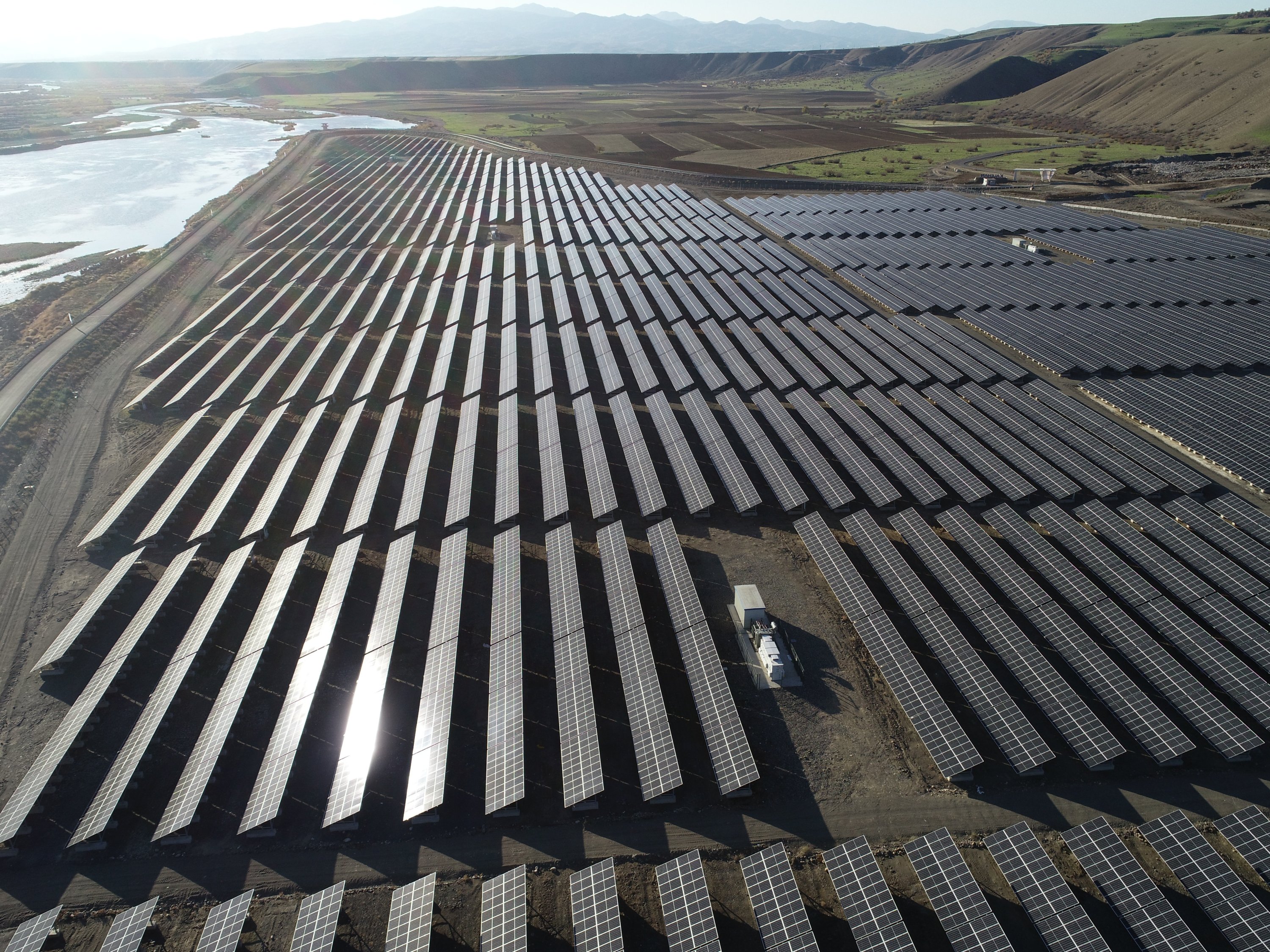
View of a hybrid solar power plant in Bingöl, eastern Turkey, Nov. 10, 2021. (AA PHOTO)
by Daily Sabah Mar 30, 2022 2:08 pm

Greenhouse gas emissions in Turkey reached the equivalent of 523.9 million tons of carbon dioxide in 2020, a 3.1 % increase compared to 2019, the Turkish Statistical Institute (TurkStat) revealed Wednesday.

In 2020, the energy sector had the largest share of total greenhouse gas emissions with 70.2%, ahead of the agriculture sector with 14%, the industrial processes and product use sector with 12.7% and the waste sector with 3.1%.

TurkStat figures also offered a comparison with two decades ago. Energy sector emissions increased by 163.3% compared to 1990 figures while emissions from industrial processes and product use increased by 190.5% compared to 1990.

Approximately 85.4% of total carbon monoxide emissions originated from the energy sector, including 31.6% of total carbon monoxide emissions originating from electricity and heat production. The remaining 14.2% of carbon monoxide emissions originated from the industrial processes and product use sector and 0.4% from the agriculture and waste sectors in 2020.

Turkey, which became the last country in the G-20 group of major economies to ratify the Paris climate agreement, seeks to cut emissions. It currently ranks 14th among the countries with high greenhouse gas emissions according to Global Carbon Atlas. The climate deal it ratified requires countries to halve emissions by 2030 and achieve a “net-zero” emission goal by 2050.

President Recep Tayyip Erdoğan had pledged last year that they were expecting to reduce greenhouse gas emissions by up to 21% by 2030.

Last year, the government had announced a new plan for the fight against climate change, including an action plan involving support for environmentally friendly production practices and investments, and the recycling of waste, among other steps.

Renewable energy resources play a critical role in scaling back emissions. In recent years, the country increased those resources and last year, some 97% of the country’s electricity generation capacity that came into operation was from renewable energy plants. In total, 3,446 megawatts (MWs) of licensed electricity generation capacity was activated in Turkey in 2021, according to the data of the Energy and Natural Resources Ministry. Wind power plants accounted for 51.5% of this capacity with 1,772 MW, and solar power plants for 14.5% with 498 MW.


  • shortlink copied
  • Last Update: Mar 30, 2022 6:25 pm
    KEYWORDS
    greenhouse gas emissions turkstat climate change
    The Daily Sabah Newsletter
    Keep up to date with what’s happening in Turkey, it’s region and the world.
    You can unsubscribe at any time. By signing up you are agreeing to our Terms of Use and Privacy Policy. This site is protected by reCAPTCHA and the Google Privacy Policy and Terms of Service apply.
    No Image
    Gimme some sugar: Traditional UK sweet factory enjoys global sugar rush
    PHOTOGALLERY
    • POLITICS
    • Diplomacy
    • Legislation
    • War On Terror
    • EU Affairs
    • News Analysis
    • TÜRKİYE
    • Istanbul
    • Education
    • Investigations
    • Minorities
    • Diaspora
    • World
    • Mid-East
    • Europe
    • Americas
    • Asia Pacific
    • Africa
    • Syrian Crisis
    • İslamophobia
    • Business
    • Automotive
    • Economy
    • Energy
    • Finance
    • Tourism
    • Tech
    • Defense
    • Transportation
    • News Analysis
    • Lifestyle
    • Health
    • Environment
    • Travel
    • Food
    • Fashion
    • Science
    • Religion
    • History
    • Feature
    • Expat Corner
    • Arts
    • Cinema
    • Music
    • Events
    • Portrait
    • Performing Arts
    • Reviews
    • Sports
    • Football
    • Basketball
    • Motorsports
    • Tennis
    • Opinion
    • Columns
    • Op-Ed
    • Reader's Corner
    • Editorial
    • Photo gallery
    • DS TV
    • Jobs
    • privacy
    • about us
    • contact us
    • RSS
    © Turkuvaz Haberleşme ve Yayıncılık 2021