Daily Sabah logo

Politics
Diplomacy Legislation War On Terror EU Affairs Elections News Analysis
TÜRKİYE
Istanbul Education Investigations Minorities Expat Corner Diaspora
World
Mid-East Europe Americas Asia Pacific Africa Syrian Crisis Islamophobia
Business
Automotive Economy Energy Finance Tourism Tech Defense Transportation News Analysis
Lifestyle
Health Environment Travel Food Fashion Science Religion History Feature Expat Corner
Arts
Cinema Music Events Portrait Reviews Performing Arts
Sports
Football Basketball Motorsports Tennis
Opinion
Columns Op-Ed Reader's Corner Editorial
PHOTO GALLERY
JOBS ABOUT US RSS PRIVACY CONTACT US
© Turkuvaz Haberleşme ve Yayıncılık 2025

Daily Sabah - Latest & Breaking News from Turkey | Istanbul

  • Politics
    • Diplomacy
    • Legislation
    • War On Terror
    • EU Affairs
    • Elections
    • News Analysis
  • TÜRKİYE
    • Istanbul
    • Education
    • Investigations
    • Minorities
    • Expat Corner
    • Diaspora
  • World
    • Mid-East
    • Europe
    • Americas
    • Asia Pacific
    • Africa
    • Syrian Crisis
    • Islamophobia
  • Business
    • Automotive
    • Economy
    • Energy
    • Finance
    • Tourism
    • Tech
    • Defense
    • Transportation
    • News Analysis
  • Lifestyle
    • Health
    • Environment
    • Travel
    • Food
    • Fashion
    • Science
    • Religion
    • History
    • Feature
    • Expat Corner
  • Arts
    • Cinema
    • Music
    • Events
    • Portrait
    • Reviews
    • Performing Arts
  • Sports
    • Football
    • Basketball
    • Motorsports
    • Tennis
  • Gallery
  • Opinion
    • Columns
    • Op-Ed
    • Reader's Corner
    • Editorial
  • TV
  • TÜRKİYE
  • Istanbul
  • Education
  • Investigations
  • Minorities
  • Expat Corner
  • Diaspora

Climate crisis spurs increase in bee mortality across Türkiye

by Daily Sabah with AA

Istanbul Mar 19, 2024 - 12:35 pm GMT+3
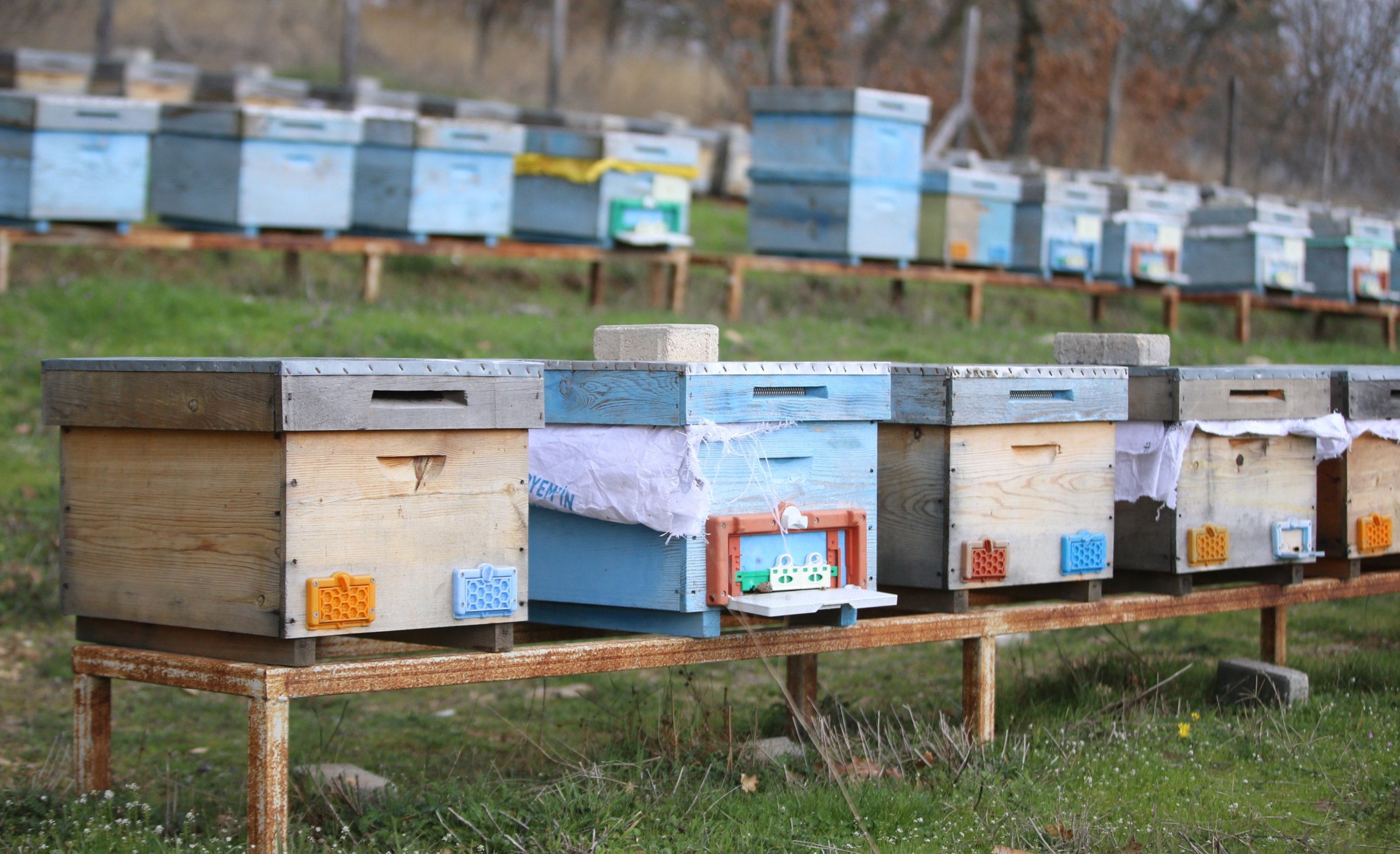
Honeybee hives are set to produce honey in Kırklareli, Türkiye, March 19, 2024. (AA Photo)
by Daily Sabah with AA Mar 19, 2024 12:35 pm

One of the biggest causes of bee deaths is inappropriate use of pesticides, using the correct pesticides, doses and timing spraying operations can reduce the mortality rate of honeybees and save hives

Honeybee colonies in Türkiye are facing a dire situation, marked by the highest death rate on record, with beekeepers witnessing the loss of nearly half of their managed colonies.

Professor Mustafa Necati Muz, a Tekirdağ Namık Kemal University Faculty of Veterinary Medicine faculty, attributed this alarming trend to rising temperatures and unconscious agricultural practices.

Speaking to Anadolu Agency (AA), Muz said: "The negative impact of last year's drought on bees and beekeepers and insufficient rainfall disrupted the natural balance. This caused bees to struggle to find the necessary pollen for offspring production, leading to a chain reaction of detrimental effects."

Muz noted that colonies unable to access sufficient pollen in autumn experience increased viral diseases, ultimately contributing to bee losses.

Furthermore, he explained that colonies entering winter with exhausted and aging bees are at heightened risk of perishing in the spring.

Regarding honey yields, Muz said, "Colonies entering the winter with tired and old bees are very likely to die in the spring and that the honey yield of beekeepers last year was lower than expected."

He stated that the expected performance could not be achieved economically and the desired results could not be obtained in the fight against diseases. He stated that the parasite called "varroa" infects bees with some viruses, and these viruses cause honey bee diseases.

Nuri Çalışkan, president of the Kırklareli Beekeepers Association, pointed out that global climate change seriously affects bee colonies.

"Unfortunately, bee deaths were a bit high this year. When we look at the feedback we received from beekeeper friends in Kırklareli, there is a bee loss of around 50%, which is a very serious figure," Çalışkan said.

Emphasizing that drought and bee deaths negatively affect the beekeeping sector, Çalışkan noted that hard days await beekeepers, and they should act more consciously.

"In our region, for example, there is the Kırklareli bee, which is resistant to diseases and has high honey yield. It has adapted to this region according to seasonal conditions and has the highest yield. All beekeepers should work with bees that are adapted to their region. If we work with bees that are compatible with our region, I think we can overcome these problems to some extent," Çalışkan said.

Highlighting the prohibition of traveling beekeepers' entry into specific regions due to ongoing bee breeding activities in Kırklareli, Çalışkan expressed concern about the challenging times ahead for all traveling beekeepers. He emphasized that the repercussions of the drought extend beyond Thrace, affecting beekeepers worldwide.

Professor Mustafa Tan, head of the Department of Park and Horticulture, Havsa Vocational School of Trakya University, pointed out that more than 100,000 tons of honey is obtained from approximately 8 million hives in Türkiye.

"These bees not only produce honey but also pollinate plants in nature, but global climate change and heavy rainfall negatively affect honey production," said Tan.

Tan emphasized the importance of employing appropriate spraying techniques to prevent bee deaths, particularly in regions where canola cultivation is prevalent, such as Thrace.

He highlighted canola fields as hot spots for mass bee deaths, attributing bees' affinity for canola to its abundant nectar production. Tan cautioned against unconscious pesticide use during agricultural spraying, stressing that such practices contribute to bee mortality and urging producers to exercise caution.

He advised carefully using the correct pesticides and doses and timing spraying operations to minimize harm to bees. Tan noted that bees are most active in canola fields from sunrise to sunset, making evening spraying at sunset preferable to avoid bee fatalities.


  • shortlink copied
  • Last Update: Mar 19, 2024 3:35 pm
    KEYWORDS
    bee extinction climate crisis pesticides drought
    The Daily Sabah Newsletter
    Keep up to date with what’s happening in Turkey, it’s region and the world.
    You can unsubscribe at any time. By signing up you are agreeing to our Terms of Use and Privacy Policy. This site is protected by reCAPTCHA and the Google Privacy Policy and Terms of Service apply.
    Türkiye's new Altay main battle tank ready for army tests
    PHOTOGALLERY
    • POLITICS
    • Diplomacy
    • Legislation
    • War On Terror
    • EU Affairs
    • News Analysis
    • TÜRKİYE
    • Istanbul
    • Education
    • Investigations
    • Minorities
    • Diaspora
    • World
    • Mid-East
    • Europe
    • Americas
    • Asia Pacific
    • Africa
    • Syrian Crisis
    • İslamophobia
    • Business
    • Automotive
    • Economy
    • Energy
    • Finance
    • Tourism
    • Tech
    • Defense
    • Transportation
    • News Analysis
    • Lifestyle
    • Health
    • Environment
    • Travel
    • Food
    • Fashion
    • Science
    • Religion
    • History
    • Feature
    • Expat Corner
    • Arts
    • Cinema
    • Music
    • Events
    • Portrait
    • Performing Arts
    • Reviews
    • Sports
    • Football
    • Basketball
    • Motorsports
    • Tennis
    • Opinion
    • Columns
    • Op-Ed
    • Reader's Corner
    • Editorial
    • Photo gallery
    • DS TV
    • Jobs
    • privacy
    • about us
    • contact us
    • RSS
    © Turkuvaz Haberleşme ve Yayıncılık 2021