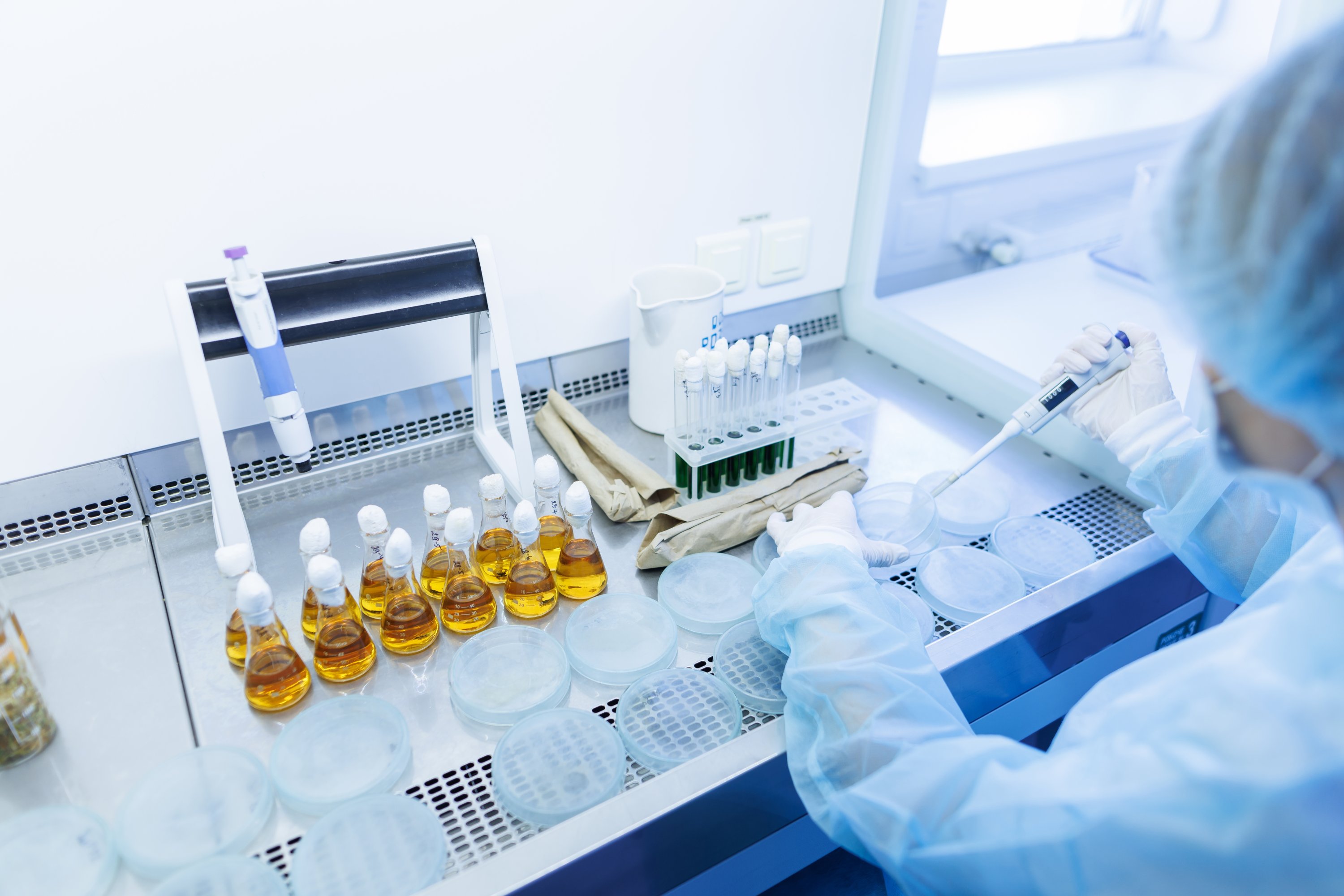
A study conducted at Biruni University’s Faculty of Pharmacy has found that substances derived from Acanthamoeba amoebae living in natural water sources are effective against antibiotic-resistant bacteria.
According to a statement from the hospital, the research was carried out by Dr. Şevval Maral Özcan Aykol from Biruni University’s Department of Pharmaceutical Microbiology, with contributions from associate professor Zuhal Zeybek of Istanbul University’s Faculty of Science.
The study provides data that could shed light on the development of new antibiotics against deadly infections commonly encountered in hospitals.
Aykol noted that certain metabolites produced by Acanthamoeba, a free-living amoeba species, have shown effectiveness against bacteria resistant to antibiotics.
“These organisms are found in natural environments such as lakes, rivers and seas, as well as artificial water sources like swimming pools and tap water. We based our work on limited studies conducted abroad and carried out the first research of this kind in Türkiye,” Aykol said.
The study involved antibacterial tests using environmental Acanthamoeba species isolated from lake water and a standard species. These tests showed up to 100% antibacterial effect against Methicillin-resistant Staphylococcus aureus (MRSA).
Aykol emphasized that their research at Biruni University’s Research Center focused on bacteria with high antibiotic resistance that cause deadly infections, especially in intensive care patients. They mixed acellular fluids produced by the amoebae with these bacteria in laboratory settings to measure the level of effectiveness.
According to the results, the acellular fluids produced by the amoebae showed 75.79% effectiveness against Enterococcus faecalis bacteria, followed by Klebsiella pneumoniae and Salmonella.
Highlighting antibiotic resistance as a serious threat to health systems, Aykol recalled the World Health Organization’s (WHO) prediction that millions of people could die by 2050 due to this issue.
“For this reason, developing new antibacterial substances sourced from nature is of great importance. In the future, it is possible to purify these substances and convert them into drugs usable in humans. However, this requires a long process including isolating active compounds, toxicological analyses, and in vivo studies,” she said.
Emphasizing the growing need for new antibacterial agents, Aykol added: “This study offers hope for treatment methods to be developed in the future. Studies like this could open doors to new treatment options in an era where even simple infections can be deadly. Our research was also selected as the cover image of the March issue of the Journal of Basic Microbiology, a respected scientific publication worldwide.”