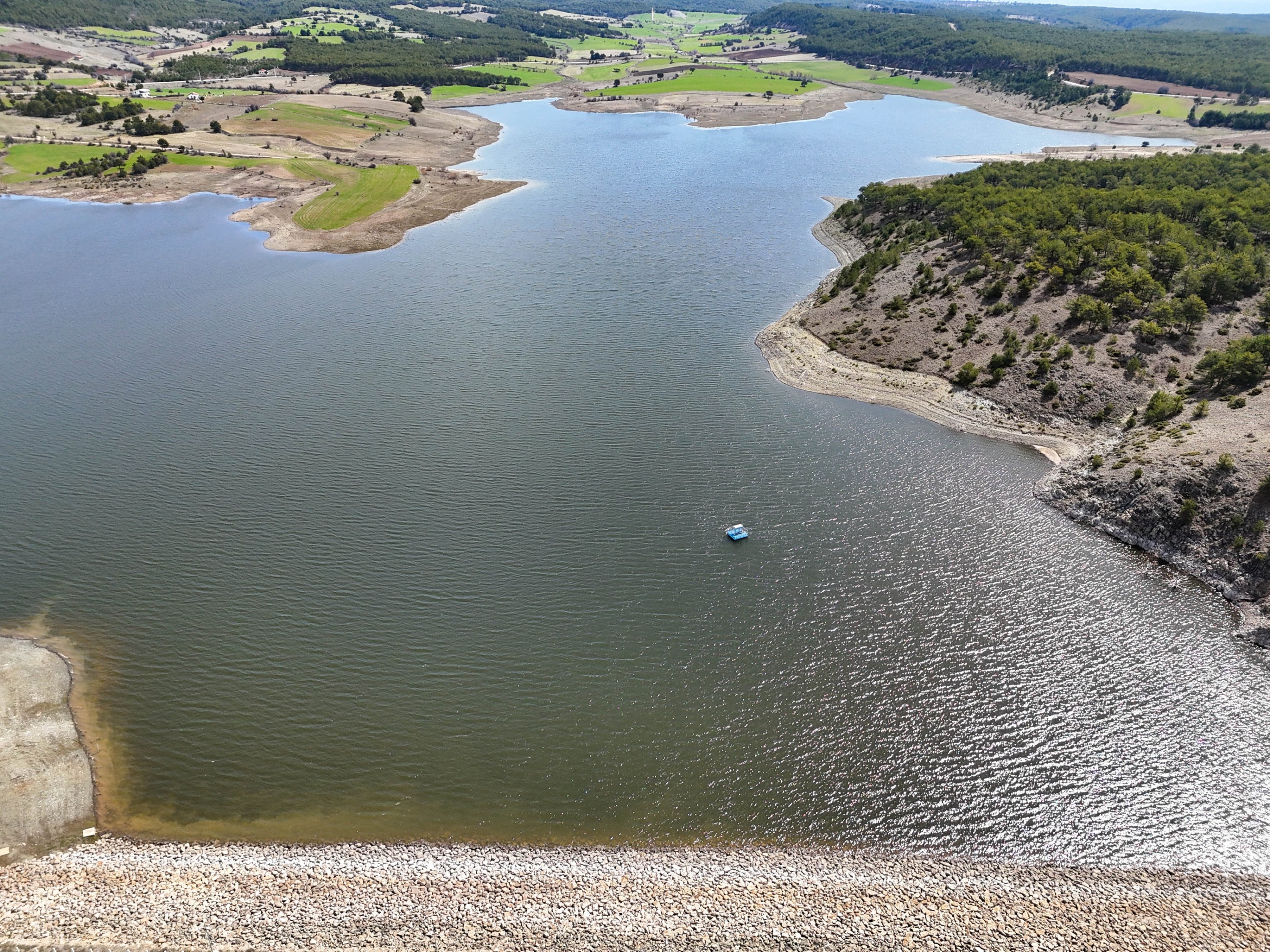
Global population growth, urbanization, changing consumption patterns, conflicts and climate change are intensifying pressure on water resources, with projections showing that by 2040, 33 countries, including Türkiye, could face “extremely high water stress.”
Tensions in the Middle East have heightened concerns about water security. Iranian media highlighted critical energy and desalination facilities in Gulf countries and Jordan as potential targets, which could trigger a humanitarian crisis affecting millions.
Climate change is reducing water availability through rising temperatures, shifting rainfall patterns, and increased drought risk, while population growth and urbanization drive demand higher. Water-intensive electricity and animal-based food production further increase pressure, making agriculture, industry and urban life more vulnerable.
A 2025 study by the U.S.-based World Resources Institute analyzed 167 countries using a water stress indicator. By 2040, countries across the Middle East, North Africa, Central Asia and parts of Southern Europe are expected to face extreme water stress.
Türkiye ranks 27th, highlighting the combined impact of rising demand and climate pressures. Its neighbors also face significant risks, underscoring the regional challenge of securing sustainable water resources. Fourteen of the most at-risk countries are in the Middle East, heavily dependent on groundwater and costly desalination, with water scarcity threatening economic growth, food production, energy supply and migration patterns.
Abou Amani, director of UNESCO’s Water Sciences Department, defines water security as the capacity to guarantee access to sufficient and acceptable quality water while protecting life and property from water-related hazards such as floods, landslides and droughts.
Water security encompasses not only availability but also quality, governance, infrastructure and resilience. Amani emphasizes that water underpins food production, energy, public health and ecosystem stability, and that sustainable development is impossible without it.
As of 2024, 26% of the global population lacks safely managed drinking water, and 41% lack safe sanitation, with women and girls disproportionately affected. Approximately 2.1 billion people are without drinking water, 3.4 billion lack safe sanitation, and 1.7 billion are without basic hygiene services at home. At least half the world’s population, about 4 billion people, experiences high water stress for at least one month each year.
Professor Shafiqul Islam, director of the Water Diplomacy Program at Tufts University, describes the “Zero Day” concept, when water reserves in a city or region drop to critical levels, leaving residents at risk of running out of water. Cape Town, South Africa, provides a stark historical example. Islam warns that Day Zero is no longer hypothetical; over 2 billion people globally face the risk of such crises.
Drought affects agriculture, energy production, food prices, public health, and can increase economic stress and migration pressures. However, instability arises when drought intersects with poverty, inequality or weak institutions. Islam emphasizes that understanding regional dynamics, taking proactive measures and adopting sustainable water management practices can prevent such crises.
He also notes that current tensions in the Middle East, including potential military actions involving Iran, pose serious risks not only to energy markets but also to the fundamental water resources of millions in the region, including Türkiye.
Recently, President Recep Tayyip Erdoğan underscored Türkiye’s commitment to water security during the inauguration of 563 new water infrastructure projects in Ankara. Highlighting dams, irrigation networks, drinking water facilities and flood control structures, he emphasized how these investments expand storage, increase irrigated land, protect communities, and support agriculture and industry.
Türkiye’s Zero Waste Movement, championed by first lady Emine Erdoğan, contributes directly to water conservation by reducing waste and promoting sustainable resource use. The initiative encourages households, businesses and local authorities to sort, recycle and repurpose materials, lowering the water-intensive demands of production and preventing contamination of freshwater sources.
By diverting organic waste from landfills and converting it into compost or energy, the movement helps preserve local water resources, demonstrating how coordinated national efforts can strengthen both environmental sustainability and water security.