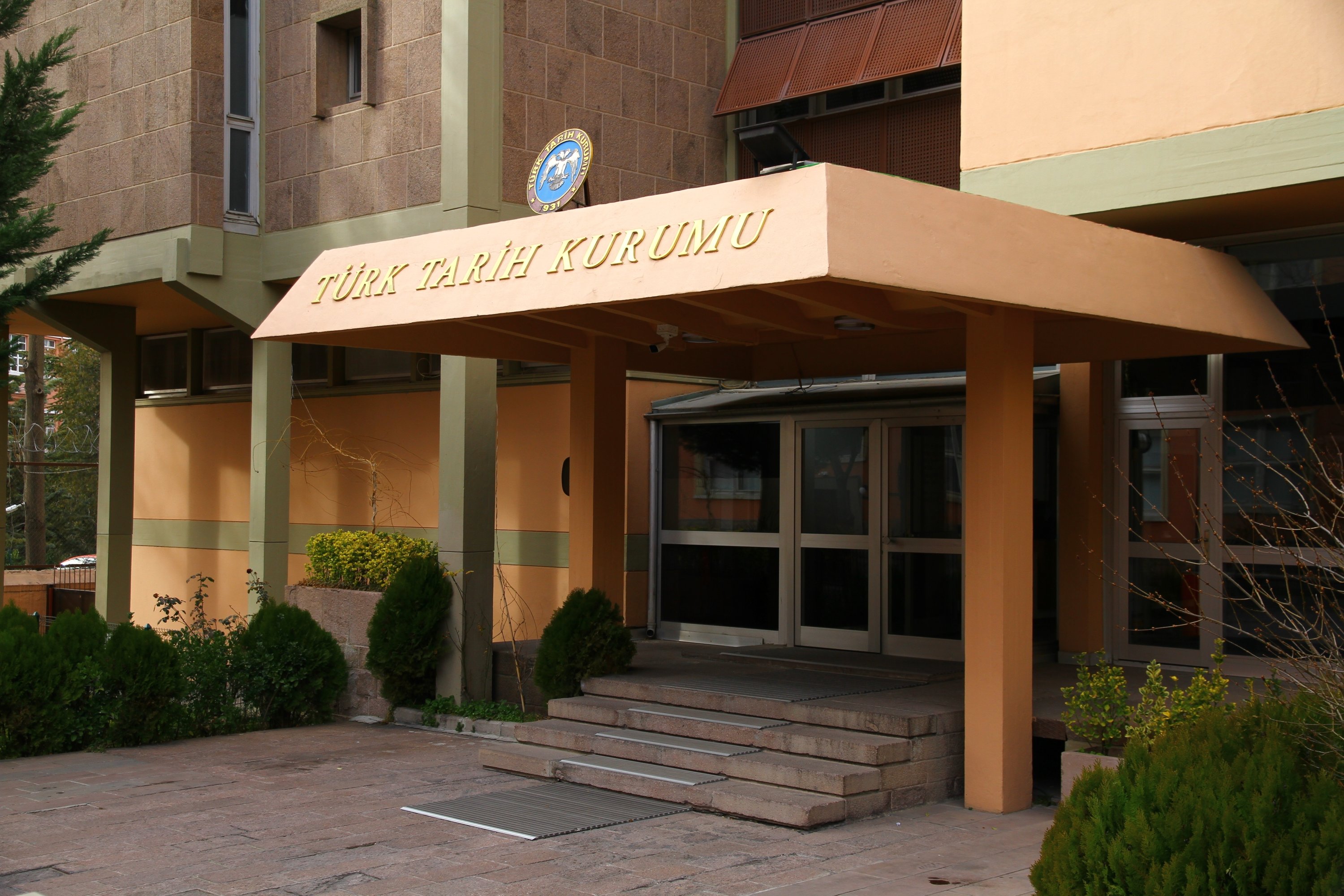
Türkiye will host the 20th Turkish History Congress in Ankara from Oct. 26-30, bringing together 300 academics from 30 countries to present research on Turkish history and the contributions of the Turks to human civilization.
The five-day congress will take place at the Atatürk Supreme Council for Culture, Language and History campus, featuring approximately 230 academic papers covering subjects from the earliest periods of Turkish history in Central Asia to the Balkans, Crimea and Qatar.
Turkish Historical Society President professor Haluk Selvi said that the papers would examine Turkish history from ancient times to the present, including the Ottoman and Seljuk periods.
“Following an academic selection process, approximately 230 papers were accepted, and 300 academics will present their papers,” Selvi said, noting that participation from 30 countries demonstrated the congress's international significance.
The congress aims to uncover lesser-known aspects of Turkish history and present historical evidence of the contributions Turks have made to humanity and civilization, Selvi said.
The first Turkish History Congress was held in 1932 under the auspices of Gazi Mustafa Kemal Atatürk. The second, held at Dolmabahçe Palace in September 1937, gained an international dimension with the participation of foreign scholars.
Selvi said preparations for the 20th congress began around two years ago. He added that the Turkish Historical Society, which is 95 years old, continues its founding mission of researching Turkish history and sharing its findings with the international public.
The congress will continue on Oct. 29, Türkiye's Republic Day, with a special panel on Atatürk and the Republic. The opening lecture will be delivered by professor Feridun Emecen, a leading scholar of Ottoman history.
Another session will examine the role of historical institutions and research institutes in writing Turkish history, with academics from Azerbaijan, Uzbekistan, Kazakhstan and Italy expected to participate. Organized under the Organization of Turkic States (OTS), the panel will address challenges and possible solutions in developing a shared historical narrative across the Turkic world.
Three exhibitions will also be held, featuring documents and photographs from the Turkish Historical Society's early archaeological excavations in Anatolia, the Turkish War of Independence and the history of the Turkish History Congresses. The latter will include correspondence, photographs, examples of academic papers and published proceedings dating back to 1932.
Sessions will take place in five halls, and the opening program will feature a concert showcasing music from the Turkic world.