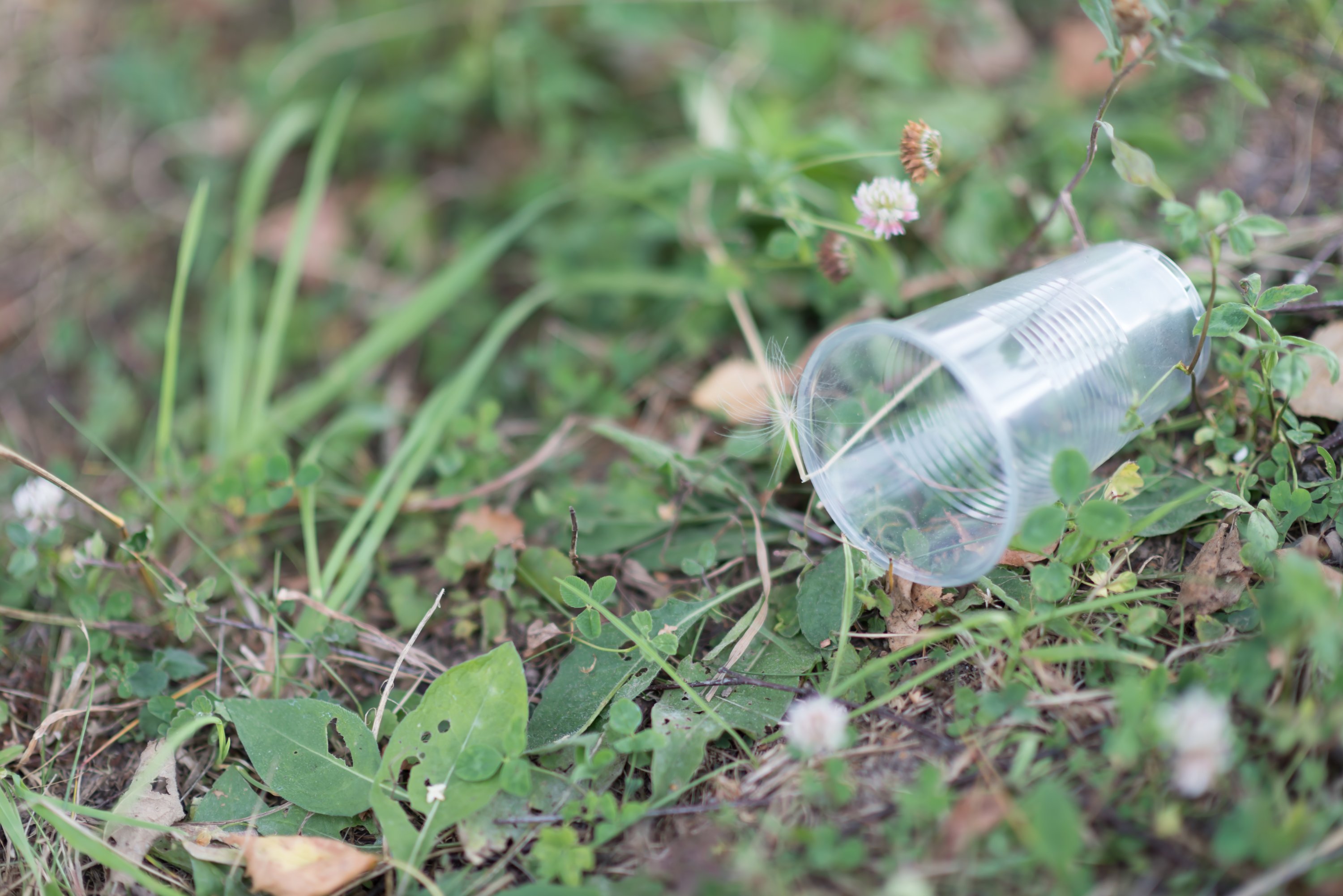
Türkiye's Ministry of Environment, Urbanization and Climate Change aims to implement a comprehensive regulation by the end of 2026 to prohibit the market supply of single-use plastic products, including forks, knives, plates, straws and cotton swabs, in a major step to reduce plastic pollution across the country.
The initiative forms part of the Zero Waste Project, which has already promoted recycling of beverage packaging through a deposit management system. With this new measure, the ministry is taking another significant step toward environmental protection and sustainable resource management.
Last year, the Ministry published the 2025-2028 National Circular Economy Strategy and Action Plan, alongside the Roadmap for Single-Use Plastics, Marine Litter, and Microplastics. The regulation under preparation seeks to minimize the environmental impacts of single-use plastics, marine litter, and microplastics, while aligning Türkiye’s policies with the EU Single-Use Plastics Directive.
The draft regulation, which is expected to be submitted to relevant institutions for review in the coming days, outlines the phase-out of plastic items that cause environmental damage and contribute to pollution. These items include plastic forks, knives, spoons, chopsticks, plates, expanded polystyrene (EPS) food containers, beverage cups, plastic stick cotton swabs, and straws.
Civil society organizations and industry representatives will have the opportunity to provide feedback before the regulation is finalized, with enforcement anticipated by year-end.
The Ministry projects that banning these single-use plastic products will prevent approximately 1.5 million tons of carbon dioxide equivalent emissions annually and save nearly TL 1.5 billion ($34 million) in waste management costs.
To replace single-use plastics, eco-friendly alternatives made of glass, porcelain, wood, and cardboard will be promoted. The regulation also envisions future measures to curb consumption of partially plastic beverage cups, partially plastic food containers, cargo bags of all sizes, wet wipes, and wet cleaning towels through restrictions and labeling.
In 2022, Türkiye consumed 709,348 tons of single-use plastic products. This included 2,858 tons of cotton swabs, 32,406 tons of cutlery, 25,584 tons of plates, 10,234 tons of straws, 5,117 tons of plastic stirrers, 63,000 tons of food containers, 120,000 tons of plastic cups, and 155,935 tons of plastic beverage bottles.
Reports indicate that consumption has continued to rise in subsequent years. To support policy development, the Ministry conducted a survey in partnership with the Turkish Statistical Institute (TurkStat) to assess public attitudes toward single-use plastics.
The results showed that 77.65% of respondents support reducing single-use plastics in daily life, while 9.99% oppose it. In terms of purchasing behaviors, 72.52% support buying fewer single-use plastic products, compared to 11.68% who do not.
When asked about specific restrictions, 76.40% of participants found limits on items such as plastic straws, plates, cutlery, and cups beneficial, and 60.02% supported a complete ban on these products. Moreover, 78.71% indicated that they would support using paper, cardboard or wood alternatives, and 80.12% expressed a preference for reusable products such as metal, porcelain or ceramic.