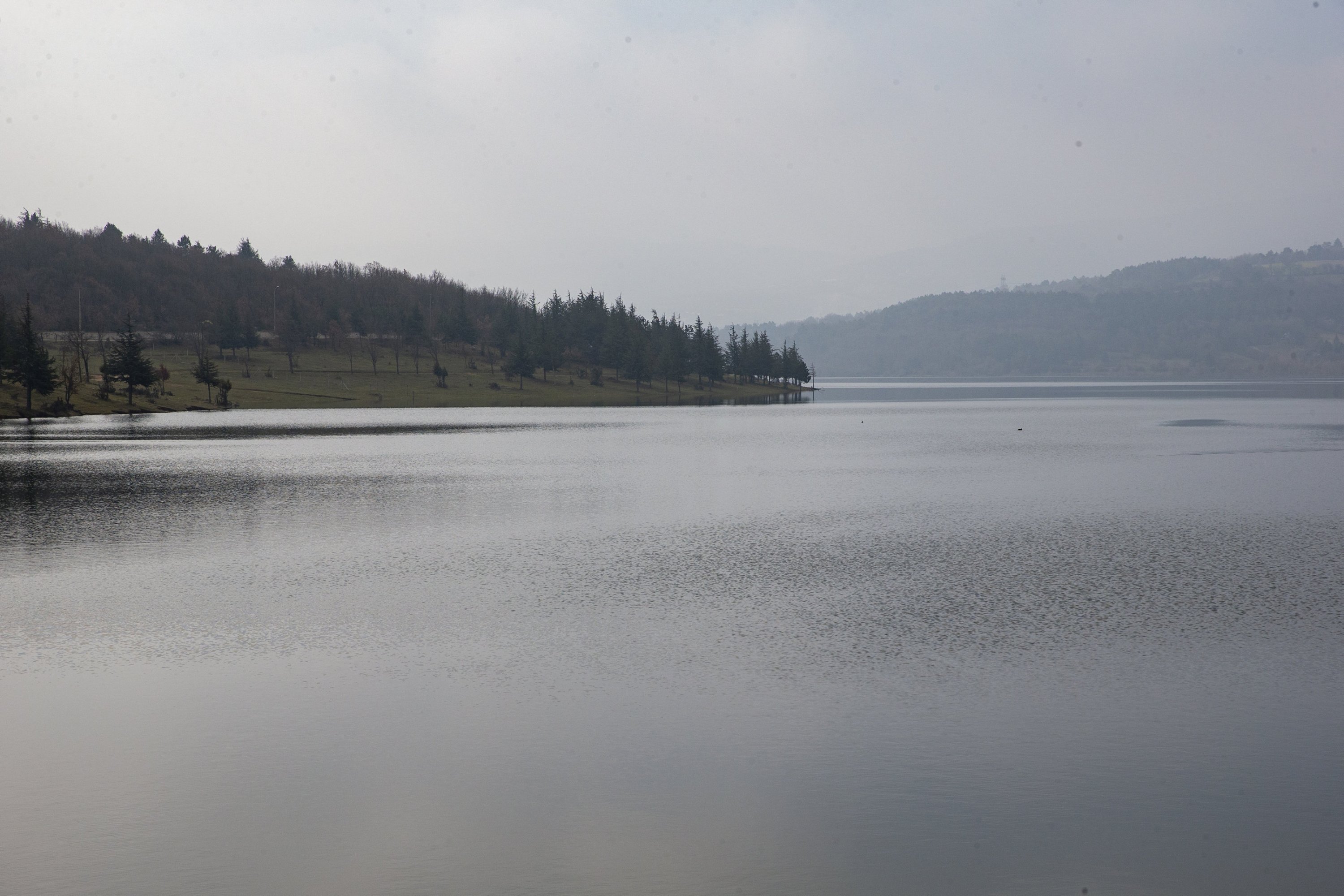
Rising precipitation levels across Türkiye since October 2025 have driven a notable increase in drinking water reservoir capacity, with dam occupancy rates reaching 56% as of March 23.
Based on data from the State Hydraulic Works (DSI) General Directorate on cumulative precipitation across the country during the Oct. 1, 2025-March 23, 2026 period, water levels increased by 21.9% compared to long-term averages. Rainfall also surged by 82.3% compared to the same period in the previous water year (Oct. 1, 2024-March 23, 2025).
This upward trend in precipitation has directly contributed to improved reservoir levels nationwide.
As of March 23, 2025, total storage across Türkiye’s water facilities stood at 40.8 billion cubic meters (10.77 trillion gallons), with an active occupancy rate of 43%. By the same date in 2026, storage capacity rose to 50 billion cubic meters, while the active occupancy rate climbed to 52.7%.
Drinking water reservoirs saw their occupancy rate increase from 49.7% last year to 56% this year. Similarly, irrigation dams recorded a rise in active occupancy from 42.3% to 54%, while energy-generation dams increased from 45.1% to 54.4% over the same period.
In Istanbul, reservoirs supplying drinking water recorded a decline in occupancy from 80.5% last year to 50.5% as of March 23. Based on current reservoir levels, the city has an estimated 156 days of drinking water supply.
In Ankara, dam occupancy increased slightly from 20.1% to 22.4%. Current water levels indicate that the capital has approximately 253 days of drinking water reserves.
In Izmir, western Türkiye, reservoirs supplying drinking water saw a significant rise in active occupancy from 10.3% to 33.9%. Based on this rate, the city has an estimated 494 days of drinking water supply.
In Bursa, northwestern Türkiye, dam occupancy reached 66.9%, up from 45.7% last year. Reservoir levels indicate that the city currently has around 378 days of drinking water available.