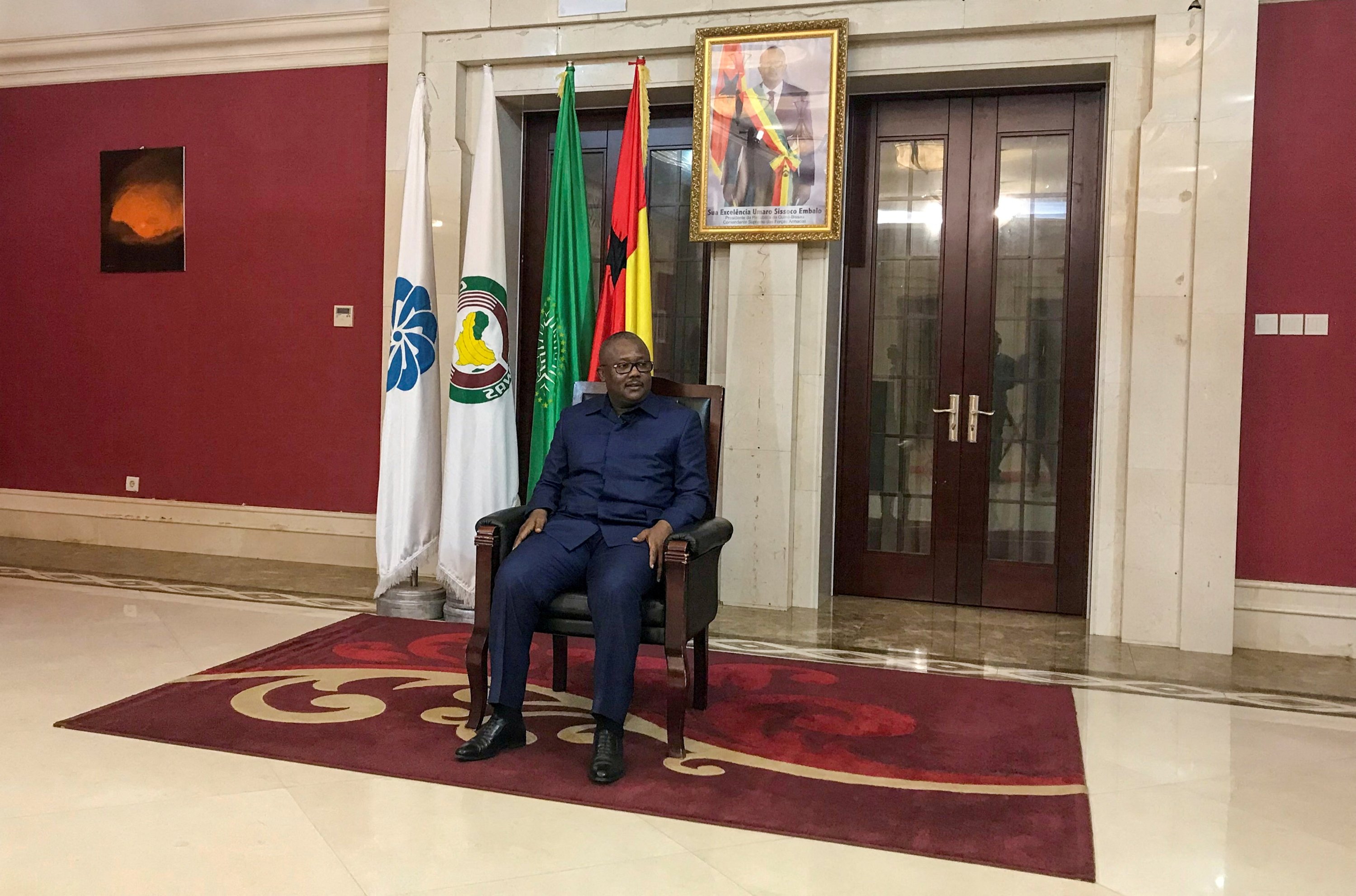
Soldiers in Guinea-Bissau on Thursday installed a new military leader, cementing a forceful takeover that erupted following a disputed presidential election, prompting President Umaro Sissoco Embalo to flee to neighboring Senegal.
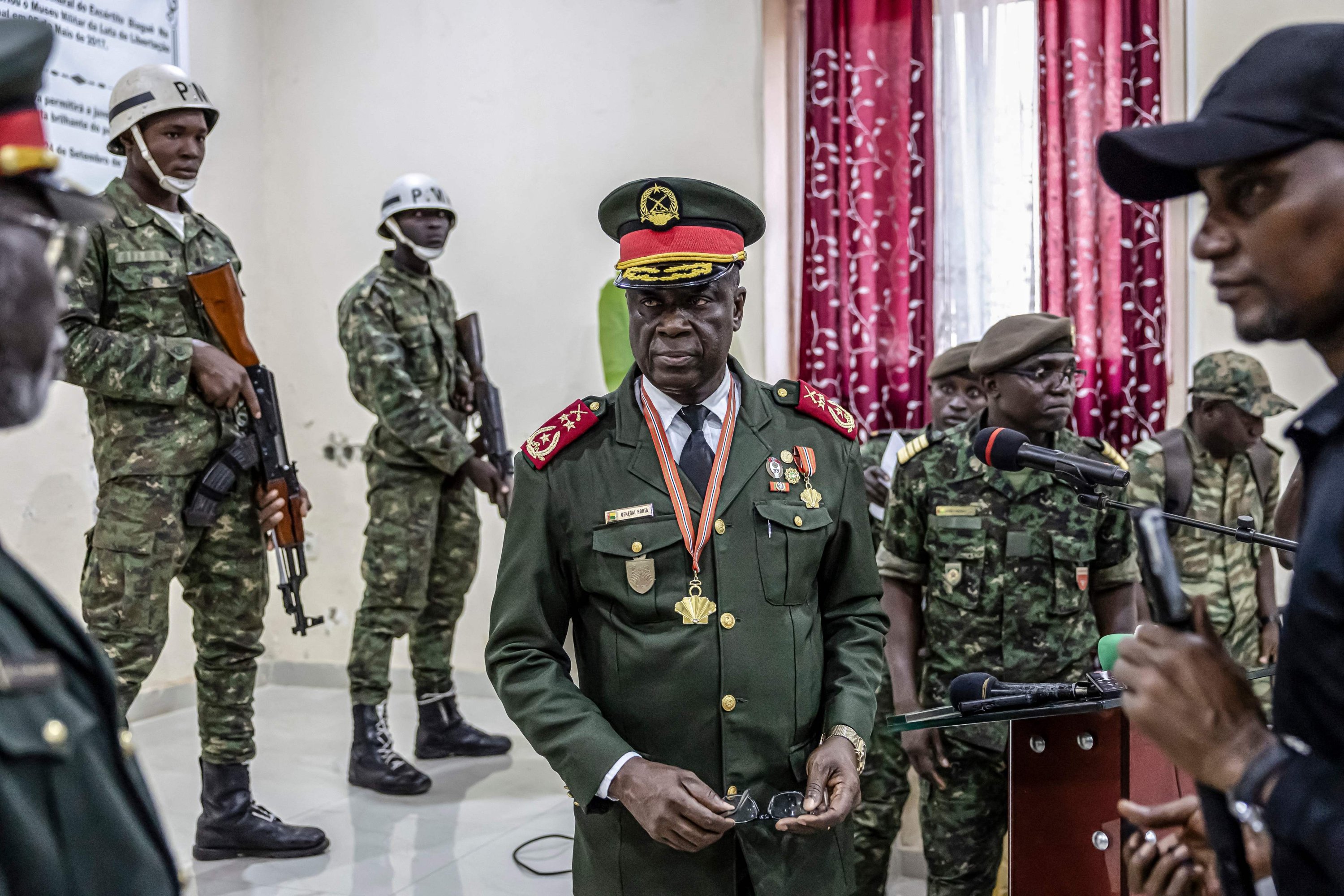
The military high command announced Gen. Horta Inta-A as head of a transitional military government that will oversee a one-year period of rule, according to a state television broadcast.
Embalo, a former army general, arrived safely in Senegal on a government-chartered flight, with Dakar officials confirming ongoing coordination with Guinea-Bissau authorities to restore constitutional order.
The coup comes amid a fraught electoral climate. Both Embalo and opposition candidate Fernando Dias claimed victory in the Nov. 23 vote, while the election commission had yet to release official results.
Hours before the military stepped in, Dias accused Embalo of orchestrating the takeover to prevent him from assuming office.
Dias said he escaped custody and vowed to challenge the power grab.
Inta-A, previously the army chief of staff and long considered a close ally of Embalo, justified the intervention by citing the “inability of political actors to stem the deterioration of the political climate.”
Military spokespeople claimed they uncovered a plan to manipulate election results, allegedly involving national politicians, foreign nationals, and drug traffickers – a charge unverified by independent observers.
Guinea-Bissau, one of the world’s poorest nations, has endured persistent instability since gaining independence from Portugal in 1974, including four coups and multiple attempted overthrows.
The small West African state, home to 2.2 million people, is also a notorious hub for Latin American and European drug trafficking, a factor analysts say has exacerbated its chronic political crises.
The political upheaval drew swift international condemnation.
The African Union demanded the unconditional release of Embalo and detained officials, while ECOWAS suspended Guinea-Bissau from its decision-making bodies and warned the junta to restore constitutional order.
U.N. Secretary-General Antonio Guterres denounced the takeover as an “unacceptable violation of democratic principles.”
France, the EU, and several other nations echoed calls for respect for the electoral process.
In Bissau, the capital, the streets returned slowly to normal, with shops and public transport resuming activity.
Authorities lifted curfews and reopened schools and markets following the military’s nationwide lockdown. Yet, public anxiety remains high. “Every time we feel hopeful about the country, a crisis occurs. This can’t go on,” said Mamadou Woury Diallo, a local market vendor.
The coup marks Guinea-Bissau’s latest military seizure in a region where democracy has been repeatedly challenged. Analysts warn the precedent could embolden other armed forces across West Africa, already rattled by disputed elections and political instability.
Gen. Tomas Djassi, formerly Embalo’s personal chief of staff, was named the military’s new chief of general staff, signaling continuity within the armed forces while the junta consolidates power.