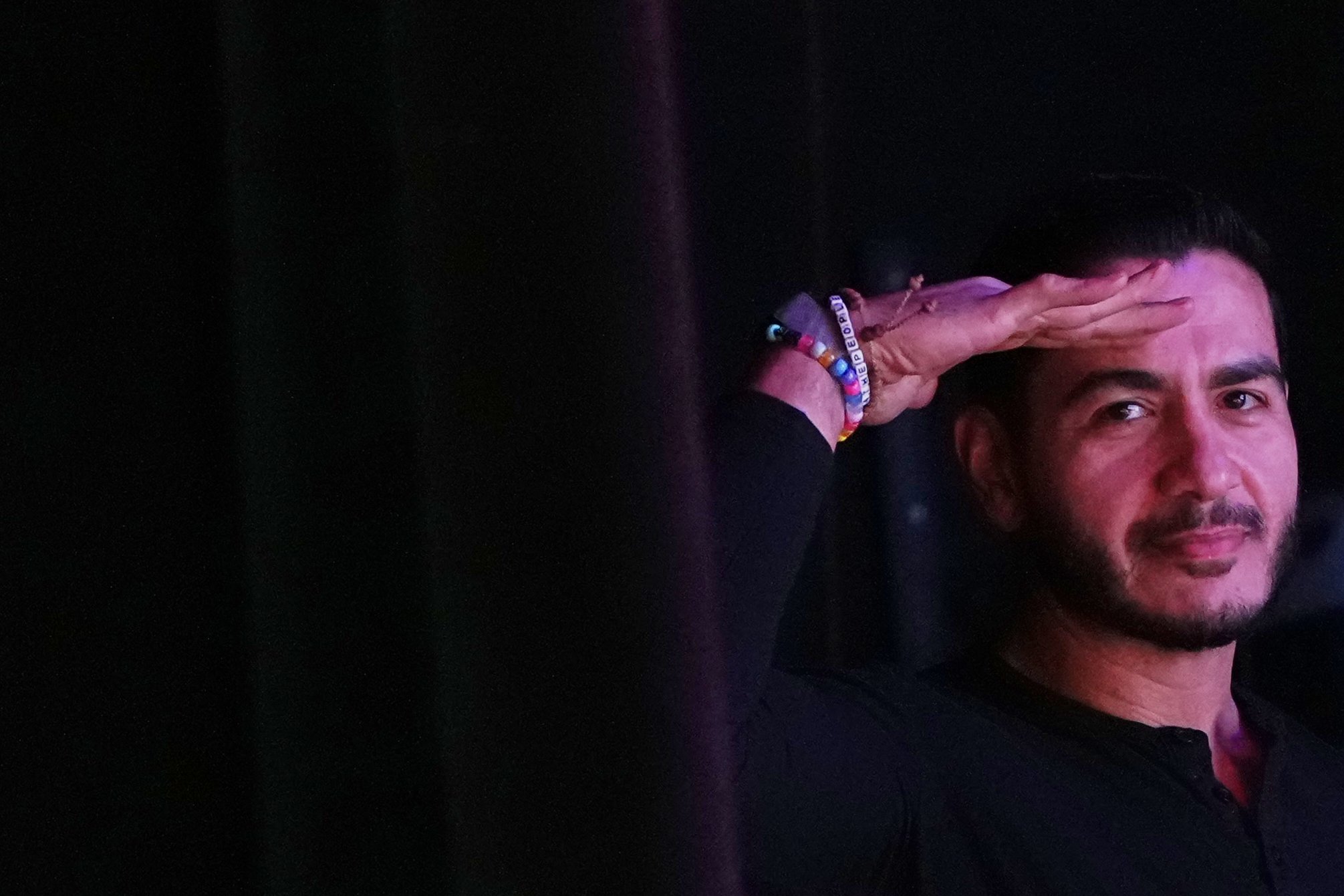
Democrat Abdul El-Sayed, an Egyptian American Democrat and former public health official, made history Tuesday as the first Muslim elected to the U.S. Senate after defeating Republican Mike Rogers in Michigan.
The 42-year-old progressive secured the seat vacated by retiring Democratic Sen. Gary Peters, marking a milestone for Muslim political representation in the United States.
His election followed a campaign marked by divisions within the Democratic Party, particularly over health care, economic priorities, and U.S. support for Israel.
Born in Rochester Hills, Michigan, to Egyptian immigrant parents, El-Sayed pursued a career in medicine and public health before entering politics.
He graduated from the University of Michigan in 2007, earned a doctorate in public health from the University of Oxford as a Rhodes Scholar in 2011, and received his medical degree from Columbia University in 2014.

In 2015, he became health director for Detroit, Michigan's largest city, overseeing efforts to rebuild the city's public health services following its financial crisis.
He held the position until 2017 before making an unsuccessful bid for Michigan governor in 2018, losing the Democratic primary to Gretchen Whitmer.
El-Sayed later served as director of the Wayne County Department of Health, Human and Veterans Services from 2023 to 2025, including Detroit.
El-Sayed returned to electoral politics in 2026, defeating Rep. Haley Stevens in Michigan Democratic Senate primary in August.
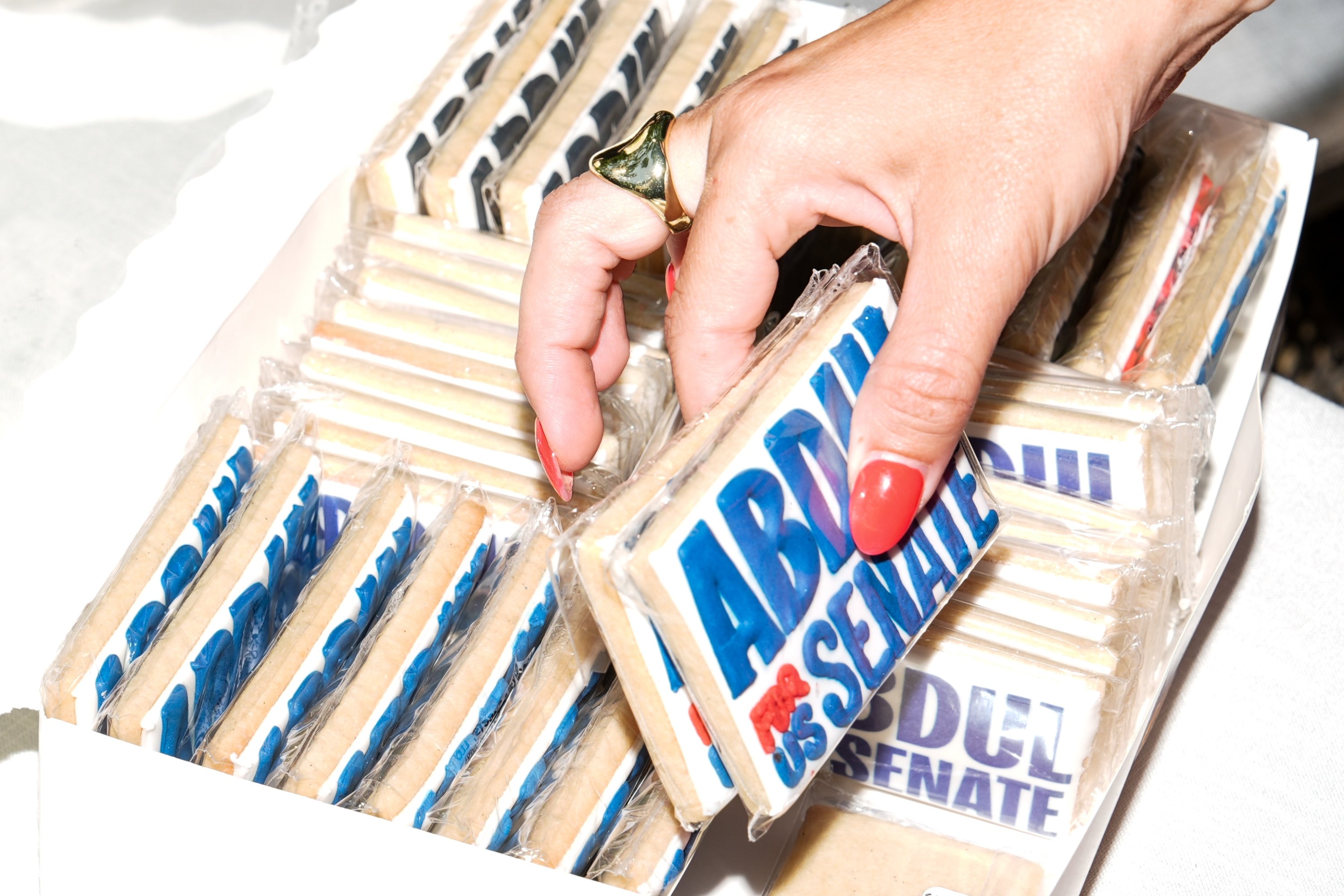
His campaign attracted support from prominent progressive figures, including Sen. Bernie Sanders, Rep. Alexandria Ocasio-Cortez and Rep. Rashida Tlaib.
He campaigned on expanding health care access through Medicare for All, lowering housing costs, reducing the influence of wealthy donors in politics and strengthening economic opportunities for working families.
On foreign policy, El-Sayed emerged as an outspoken critic of U.S. military support for Israel, describing Israel's military campaign in Gaza as genocide and calling for an end to unconditional American military assistance.
His positions on Israel became a central source of controversy during the campaign.
Stevens, whom he defeated in the Democratic primary, broke with her party just two days before the general election and endorsed Rogers, citing her concerns about El-Sayed's campaign rhetoric and political associations.
Her move drew a strong backlash among fellow Democrats but failed to derail El-Sayed's path to victory.
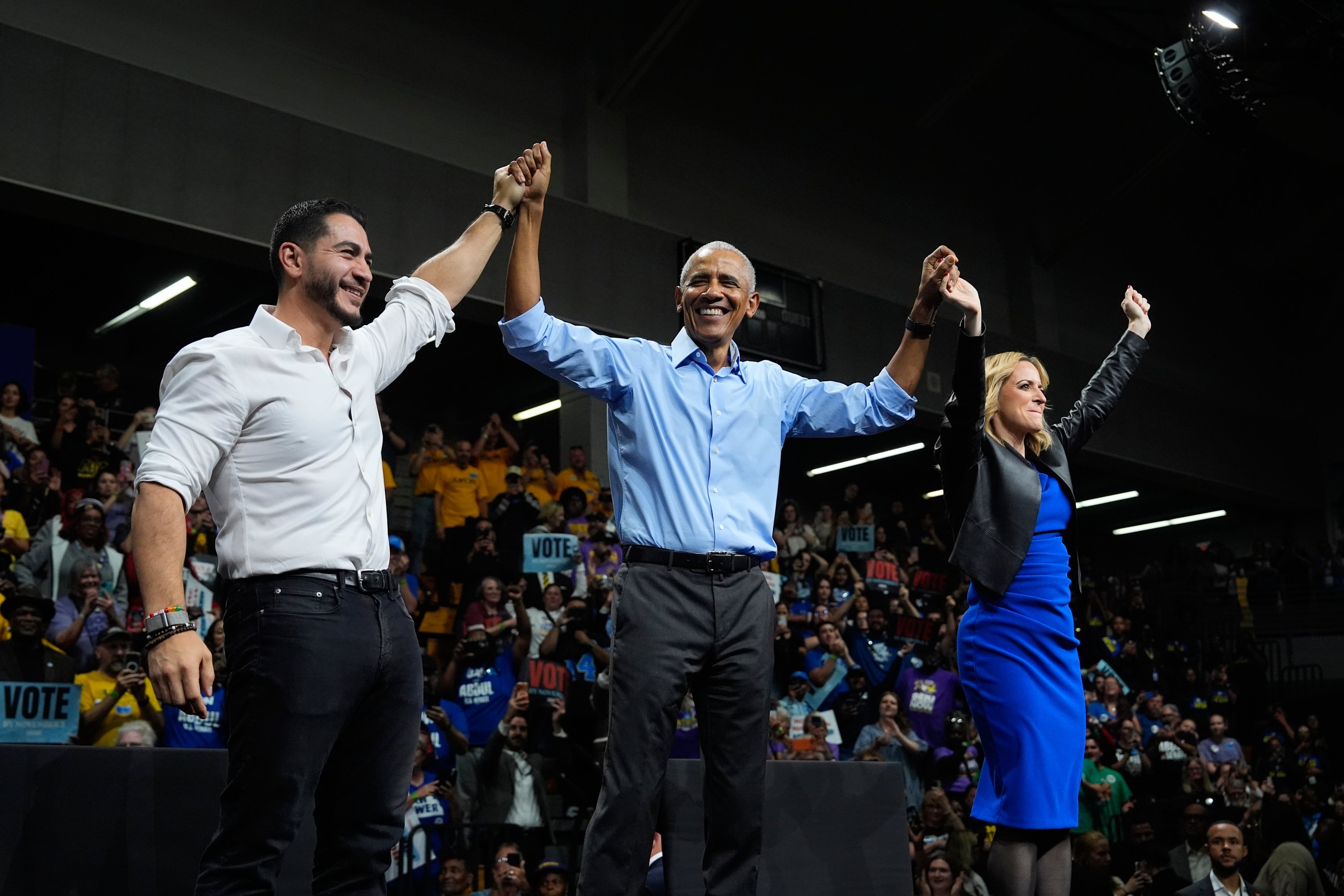
El-Sayed's Muslim identity also became a prominent issue during the Senate race, with President Donald Trump and other Republican figures repeatedly criticizing him for his faith and political positions.
El-Sayed rejected the attacks, arguing that the president was using his name and religion to divert attention from rising living costs and economic challenges facing Americans.
His election marks a historic first for the Senate, although Muslim Americans have previously served in the House of Representatives.
Keith Ellison became the first Muslim elected to Congress in 2006; Rashida Tlaib and Ilhan Omar became the first Muslim women elected to Congress in 2018.