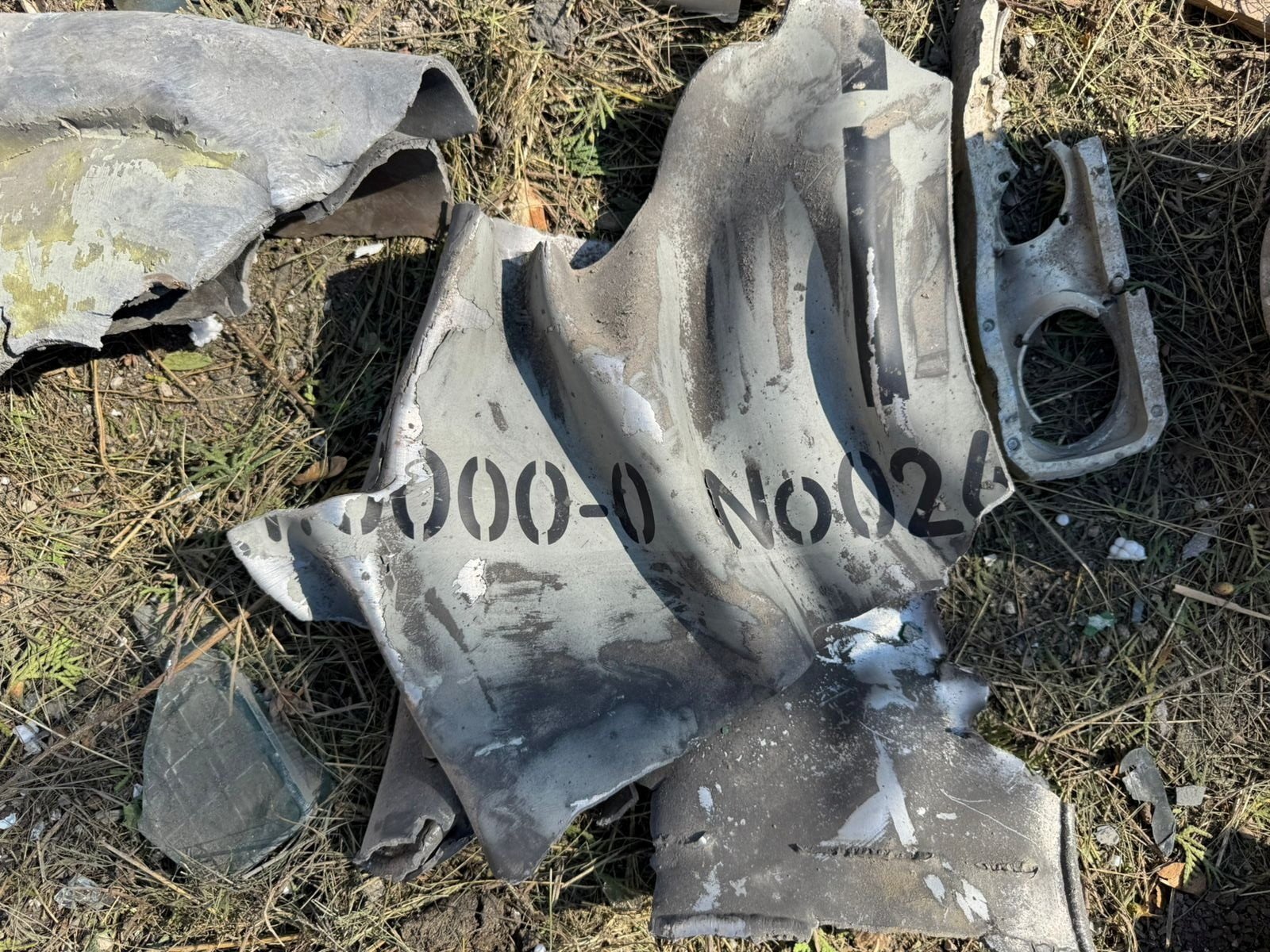
Images of debris from Russian strikes on Ukraine strongly indicate that Moscow has used a cruise missile whose development led U.S. President Donald Trump to quit a landmark nuclear pact in his first term, two experts said, confirming earlier Reuters reporting.
The specialists based their analysis on images of fragments of the nuclear-capable missile provided to Reuters by three Ukrainian law enforcement sources, the first visual evidence published to date corroborating Russia's use of the weapon.
Its deployment dozens of times in Ukraine is a striking example of how the nuclear arms control edifice emerging from the Cold War has crumbled in recent years. This month saw the expiry of New START, the nuclear treaty that imposed limits on U.S. and Russian strategic weapons.
Russia's development of the 9M729 prompted Trump to quit the Intermediate-Range Nuclear Forces (INF) Treaty, then a cornerstone of nuclear arms control, in 2019, saying the ground-launched missile could fly far beyond the permitted limit of 500 km (310 miles).
The Ukrainian General Prosecutor's Office told Reuters in a written statement in November that one of the 9M729 missiles fired by Russia on Oct. 5 last year flew more than 1,200 km.
Ukrainian Foreign Minister Andrii Sybiha and sources told Reuters in October that Russia had fired the 9M729 at Ukraine twice in 2022 and 23 times between August and October last year, the first known combat uses of the missile anywhere.
Russia fired at least four more of the missiles at Ukraine on Feb. 17, one of the law enforcement sources said, the first time those cases have been reported. There have been other uses since October too, the source added.
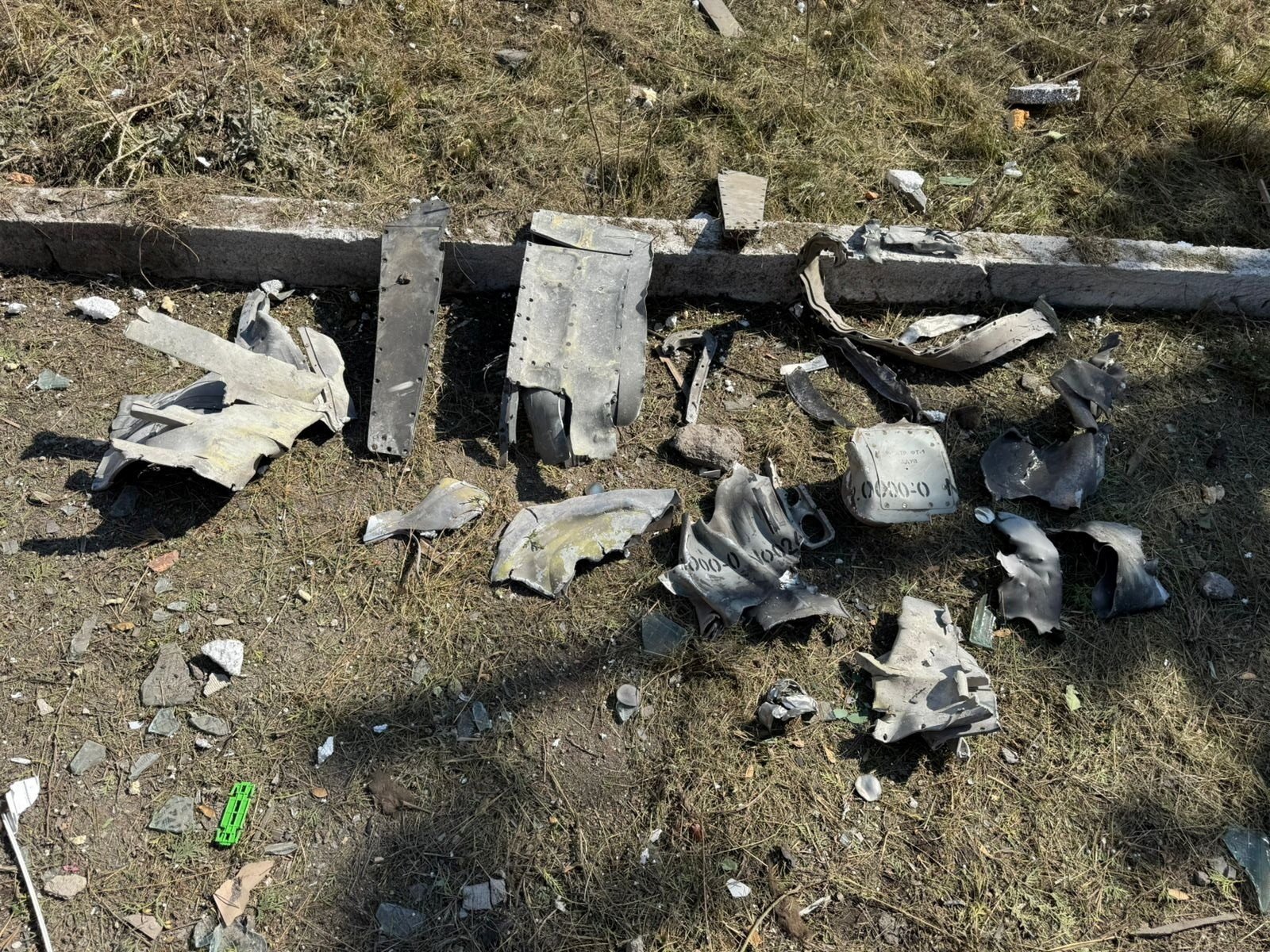
"The images really do appear to show the 9M729. In addition to the markings, the debris are similar to other cruise missiles that are related to the 9M729," said Jeffrey Lewis, Distinguished Scholar of Global Security at Middlebury College in Vermont.
Analysts at Janes, a U.K.-based defense intelligence company, told Reuters there was a high likelihood the debris shown in the 10 images had come from the ground-launched 9M729 missile.
The law enforcement sources said the images show fragments recovered in Zhytomyr, Lviv, Khmelnytskyi and Vinnytsia regions, all in western Ukraine.
Reuters could not verify where and when the photographs of the fragments were taken.
One piece bears the serial number 0274, while others bear the marking 9M729. In another case, a Reuters reporter saw a fragment stamped 9M729, but was asked by a Ukrainian law enforcement official not to photograph it for publication.
Russia's Defence Ministry did not respond to a request for comment for this article.
Russia has acknowledged the existence of the missile, but denied it was in breach of the 1987 treaty and that it could fly as far as the distance permitted.
One of the 9M729 missiles fired by Russia on October 5 struck a home in Lapaiivka village near Lviv, resulting in the death of five civilians, the Ukrainian General Prosecutor's Office said in its statement - over 1,200 km from the point from which it was fired.
The use of the missiles is being investigated in eight different regions, it added.
The INF specifically outlawed ground-launched missiles with a range of over 500 km because their launchers are easier to conceal, making them a greater potential threat than missile-carrying warplanes or warships that militaries track.
Since November 2024, Russia has also twice attacked Ukraine with the Oreshnik, a new intermediate-range ground-launched ballistic missile that would also have been banned under the INF.
Both the 9M729 and the Oreshnik can carry a nuclear or conventional warhead and their range puts European capitals within reach.
The 9M729 has a range of 2,500 km, according to the Missile Threat website produced at the Center for Strategic and International Studies in Washington.
Several NATO countries in Europe are now trying to buy or develop their own long-range, deep-strike weapons to narrow the gap in their deterrence capabilities with Russia.
Some European governments worry that the U.S. is no longer committed to protecting Europe. Washington has told Europeans they must take over primary responsibility for the conventional defence of the continent.
Russia said last August it would no longer place any limits on where it deploys intermediate-range missiles that can carry nuclear warheads.
Russia has launched many thousands of drones and missiles at Ukraine since its full-scale invasion began four years ago. Most recently it has targeted power and heating infrastructure during Ukraine's coldest winter of the war.
It was not clear why Russia has been using the 9M729 missile.
Lewis, the missile analyst, said it was surprising Russia was willing to lose sensitive information by using the nuclear-capable missile in Ukraine, which allows military experts to study its combat performance and pore over missile fragments.
"Russia may have a relatively small stockpile of sophisticated cruise missiles and so it's willing to dip into its longer-range stockpile," he said.