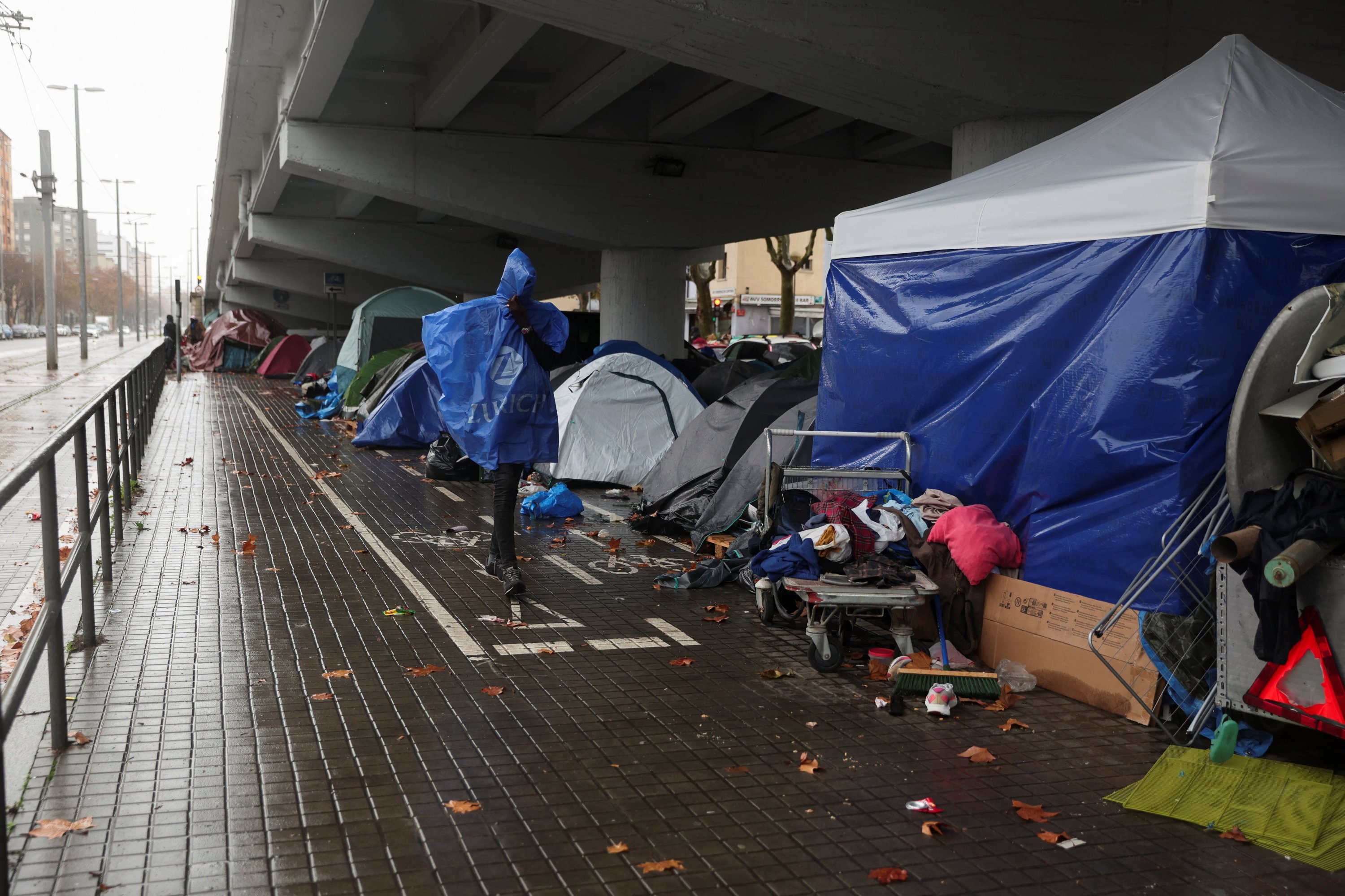
Migrant arrivals to Spain declined by more than 40% in 2025, reflecting a sharp drop along the perilous Atlantic route to the Canary Islands, official figures said Friday.
Spain is one of the main entry points for people seeking a better life in Europe, and the country has faced pressure from European Union partners to curb irregular migration.
The interior ministry said 36,775 migrants entered Spain irregularly last year, the vast majority by sea, declining by 42.6% from 64,019 in 2024.
Arrivals to the Canary Islands dropped 62% to 17,788 in 2025, while arrivals in the Balearic Islands in the Mediterranean – mainly from Algeria – rose 24.5% to 7,321.
Despite the overall decline, migrant deaths remained high.
Spanish NGO Caminando Fronteras said Monday that over 3,000 people died while trying to reach Spain in 2025, including 437 minors.
The group compiles its figures from families of migrants and official statistics of those rescued.
The drop in arrivals to the Canaries follows improved relations between Spain and Morocco, where many of the boats headed for the archipelago originate, since Madrid in 2022 backed Rabat's autonomy plan for the disputed Western Sahara territory.
Both countries have increased maritime surveillance, intelligence sharing and crackdowns on smuggling networks, with Morocco intensifying coastal patrols.
Spanish Interior Minister Fernando Grande-Marlaska has called for "prevention at the source" to reduce irregular migration.
He has credited Spain's cooperation with Mauritania and other African countries for the decline in arrivals to the Canaries.
"We can only reduce irregular migration by establishing comprehensive alliances based on trust and mutual benefit," he said at a November meeting in Malta with EU interior and migration officials.
EU border agency Frontex has also cited stricter preventive measures in departure countries, particularly Mauritania, as a key factor in the drop in migrant arrivals in the Canaries.
In 2024, Mauritania signed a pact with the EU aimed at curbing dangerous maritime crossings in exchange for 210 million euros ($246 million) in funding.
Human rights groups, however, argue that such agreements can encourage abuse.
Human Rights Watch accused Mauritanian authorities in an August report of systematic abuses of migrants, including rape, torture and extortion at the hands of border personnel.
It said the violations worsened after Mauritania signed the migration pact with the EU.
Mauritania has rejected the accusations.