El Nino is forecast to become the strongest in four decades of comparable records, the United Nations' weather agency warned Thursday, as the U.N. chief said the world was entering the "danger zone of extreme weather."
The weather phenomenon is expected to strengthen to "very strong" levels in the coming months and is almost certain to persist through February, the World Meteorological Organization said.
"If this trajectory continues, it may be stronger than anything since our monitoring began," WMO Secretary-General Celeste Saulo told reporters in Geneva.
El Nino is expected to peak toward the end of this year, but its effects on global weather and climate could persist well into 2027, the WMO said.
The phenomenon occurs when surface waters in the central and eastern equatorial Pacific Ocean become unusually warm, triggering widespread changes in atmospheric circulation, winds, pressure and rainfall patterns around the world.
Heat in the oceans is released more slowly into the atmosphere, pushing up global temperatures the year after El Nino develops.
The powerful 2023-24 El Nino contributed to 2024 being the warmest year on record, and "we should not be surprised if this record is broken," Saulo added.
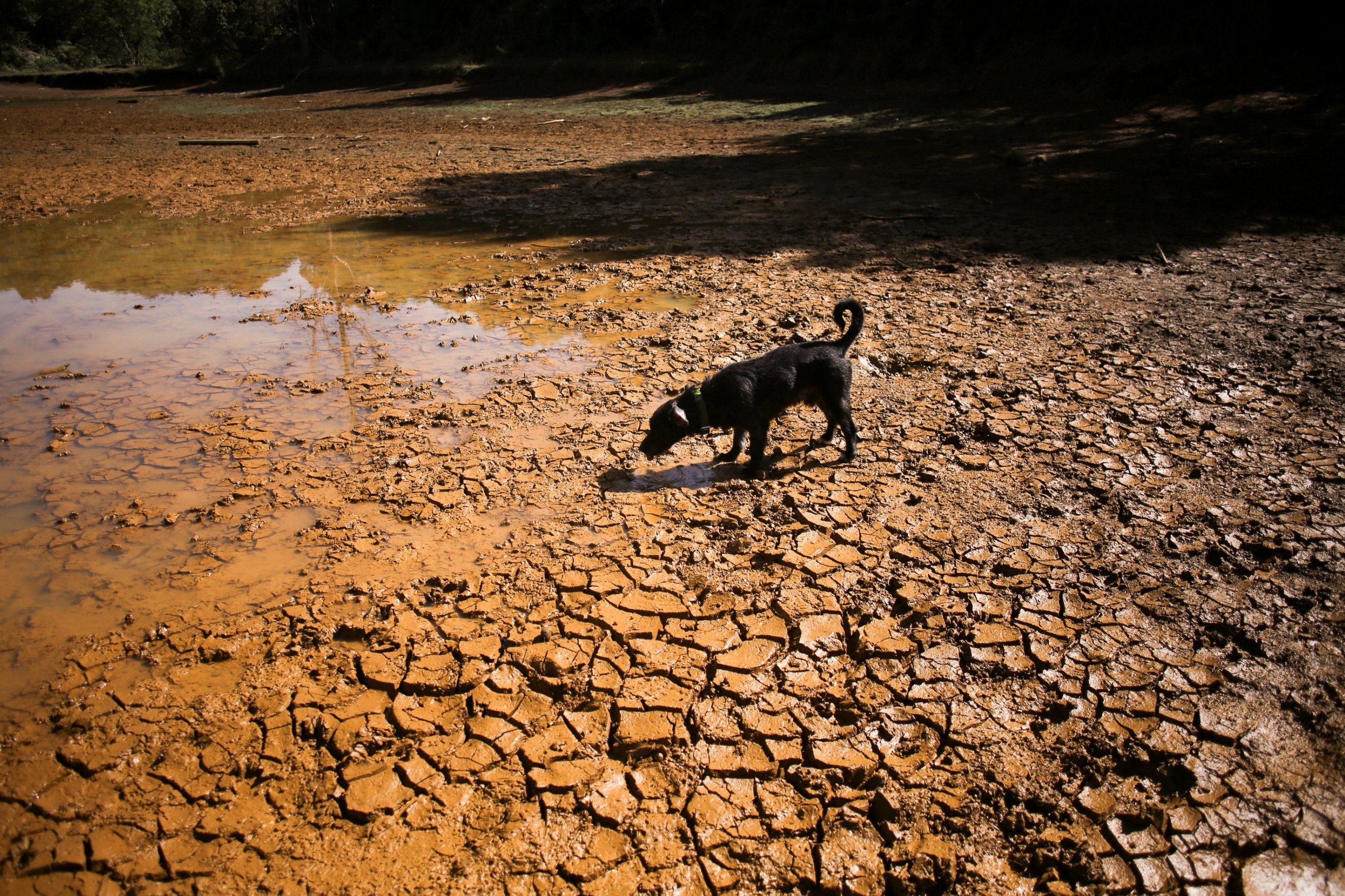
"El Nino is firmly established and will intensify into a very strong event in the coming months, with big impacts on rainfall and temperature patterns and associated risks of floods, drought and extreme heat," the WMO said.
El Nino is a naturally occurring phenomenon and is not caused by climate change.
But scientists expect it to exacerbate the heat of a planet already warming because of the burning of fossil fuels, while amplifying weather extremes.
"El Nino is being supersized before our eyes," said U.N. chief Antonio Guterres.
"The science leaves no room for doubt: The planet is in uncharted waters, and those waters are heating up. Sea surface temperatures are rising, temperatures keep climbing, and the world is in the danger zone of extreme weather."
WMO chief Saulo urged disaster management authorities and climate-sensitive sectors such as agriculture, fisheries, health, energy and water to prepare.
"This exceptional El Nino ... has the potential to deliver a massive blow to communities and economies across the world," she said.
"We are already seeing disruption and devastation from droughts and floods, and we expect these impacts to increase as El Nino intensifies."
El Nino typically occurs every two to seven years and lasts about nine to 12 months.
Conditions oscillate between El Nino and its opposite, La Nina, with neutral conditions in between.
El Nino can reshape weather and climate patterns thousands of kilometers away from the tropical Pacific.
Wilfran Moufouma-Okia, the WMO's climate prediction chief, said some places would be affected before, some during and some after the peak later this year, though the strength of the peak is not an indicator of the severity of the impacts.
For September-November, WMO forecasts indicate an increased likelihood of above-normal temperatures "across almost all land areas."
The index that measures sea surface temperature anomalies in the central and eastern equatorial Pacific has strengthened from an average of 1.5 degrees Celsius above normal between May and July.
Weekly values between late July and mid-August ranged from about 2.2 to 2.6 degrees Celsius above average, indicating continued El Nino intensification.
The U.N. agency classifies El Nino events as weak, moderate, strong or very strong, meaning this one is set to reach the highest level of the four categories.
Moufouma-Okia said the classification meant a sea surface temperature anomaly of more than 2 degrees Celsius.
"That category is open: We know where it starts; we don't know where it ends," he told Agence France-Presse (AFP).
The average forecast points toward an anomaly peaking at 3.6 degrees Celsius, far higher than the last two very strong El Nino events in 1997-98 and 2015-16.
In some areas, subsurface ocean temperatures were more than 8 degrees Celsius above average during July and early August.
Saulo called this a huge reservoir of "very warm ocean waters that will fuel the intensity of El Nino."
The U.N.'s International Organization for Migration appealed Thursday for $110 million to protect 4.9 million people from the potentially severe impacts of the phenomenon.