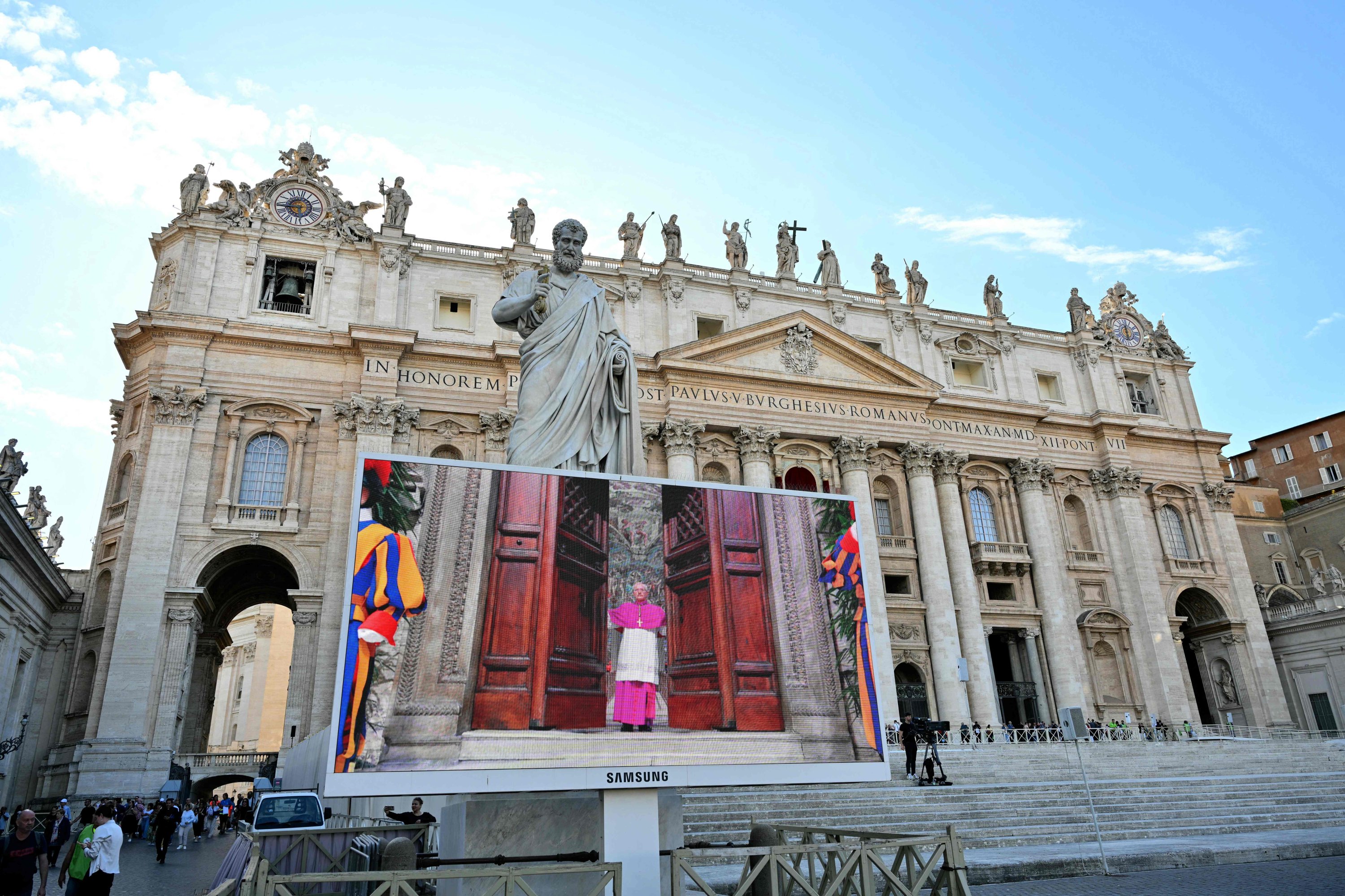
With a command in Latin and the thud of the Sistine Chapel doors closing, the most suspenseful and sacred election in the Catholic world began Wednesday, as 133 cardinals entered conclave to choose the 267th pope and successor to Pope Francis.
"Extra omnes!” declared Archbishop Diego Ravelli, Latin for "everyone out." With that, the world outside was shut out – literally and symbolically – ushering in the solemn, centuries-old ritual cloaked in mystery, awe, and prayer.
This conclave is the most geographically diverse in the Church's 2,000-year history, with cardinals hailing from 70 countries.
Many of them met for the first time just days ago, adding layers of unpredictability to a process already steeped in secrecy.
Phones were surrendered, airwaves jammed, and the cardinals were sequestered under Michelangelo’s iconic Last Judgment to elect a new spiritual leader for the world’s 1.4 billion Catholics.
Pope Francis, the first Latin American pontiff, named 108 of the 133 cardinals eligible to vote – many from the global south: Mongolia, Tonga, Sweden – a break from tradition that echoes his reformist vision and complicates expectations.
Two by two, the cardinals marched into the chapel chanting the Litany of the Saints, imploring divine guidance. Cardinal Pietro Parolin, the Vatican’s secretary of state and a leading contender, led the oath-taking ceremony beneath Michelangelo’s frescoes, each cardinal pledging silence and secrecy.
After a final reflection and the departure of non-electors, the sacred silence began. Though no vote was required on the first day, a black puff of smoke around 7 p.m. was expected to signal the lack of consensus.
Before the conclave, Cardinal Giovanni Battista Re urged cardinals at Mass in St. Peter’s Basilica to prioritize unity over personal agendas. "Let us pray for a pope who awakens consciences,” he said, summing up the expectations many faithful hope will guide the decision.
Outside, pilgrims and tourists gathered in hope. Lisette Herrera, a visitor from the Dominican Republic, skipped Rome’s landmarks to pray in the square. "The Holy Spirit is here. That’s all we need to know," she said.
Armando Statti from Italy added, “We hope for a pope in the image of Francis or John Paul II – someone who will bring peace and embrace the whole world.”
Despite vows to avoid secular influence, lobbying around Rome has been intense. Young Catholics called for more inclusion; conservative media pushed their preferred profiles. Clergy abuse survivors warned cardinals not to repeat past mistakes. Advocates for women’s ordination even released pink smoke in protest.
In a bizarre twist, even the White House got involved, tweeting a photo of Donald Trump dressed as a pope. The joke drew sharp criticism, with former Italian Premier Romano Prodi calling it “indecent political interference.”
Though front-runners are hard to pin down, several cardinals keep appearing on shortlists. Cardinal Pietro Parolin, 70, is a steady, centrist option, the Vatican’s diplomatic chief and Francis’ right hand. Cardinal Luis Tagle, 67, from the Philippines, is a charismatic voice from the global south, potentially the Church’s first Asian pope. Cardinal Peter Erdo, 72, from Hungary, represents the more conservative wing of the church.
The cardinals will vote up to four times a day – two ballots in the morning and two in the afternoon – until one name reaches the sacred threshold: a two-thirds majority, or 89 votes. Most recent conclaves have taken between three and 14 ballots. Francis was elected on the fifth.
Despite the pressure, many cardinals predict a relatively short conclave – but with 80% of voters appointed by Francis, the direction is clear: continuity. What remains unknown is the shape and soul of that continuity.