Israeli officials said Tuesday that gaps remain in Gaza cease-fire talks with Hamas in Qatar but expressed optimism that a deal is possible, though it could take several more days.
The new push by U.S., Qatari and Egyptian mediators to halt clashes in the battered enclave has gained pace since Sunday, when the warring sides began indirect talks in Doha and Israeli Prime Minister Benjamin Netanyahu set out to Washington.
Netanyahu met on Monday with U.S. President Donald Trump, who said on the eve of their meeting that a cease-fire and hostage deal could be reached this week. The Israeli leader was scheduled to meet Vice President J.D. Vance on Tuesday.
Trump's envoy Steve Witkoff, who played a major role in crafting the cease-fire proposal, will travel to Doha this week to join discussions there, White House Press Secretary Karoline Leavitt told reporters earlier Monday.
The cease-fire proposal envisages a phased release of hostages, Israeli troop withdrawals from parts of Gaza and discussions on ending the war entirely.
Hamas has long demanded an end to the war before it would free remaining hostages. Israel has insisted it would not agree to end the fighting until all hostages are released and Hamas dismantled. At least 20 of the remaining 50 hostages in Gaza are believed to still be alive.
Palestinian sources said Monday that there were gaps between the sides on the entry of humanitarian aid into Gaza.
Senior Israeli officials briefing journalists in Washington said it may take more than a few days to finalize agreements in Doha but they did not elaborate on the sticking points. Another Israeli official said progress had been made.
Israeli Minister Zeev Elkin, who sits in Netanyahu's security cabinet, said that there was "a substantial chance" a cease-fire would be agreed.
"Hamas wants to change a few central matters, it's not simple, but there is progress," he told Israel's public broadcaster Kan on Tuesday.
Hamas' Oct. 7, 2023, incursion triggered the war, causing 1,219 deaths and taking 251 hostages, mostly civilians, according to Israeli official figures.
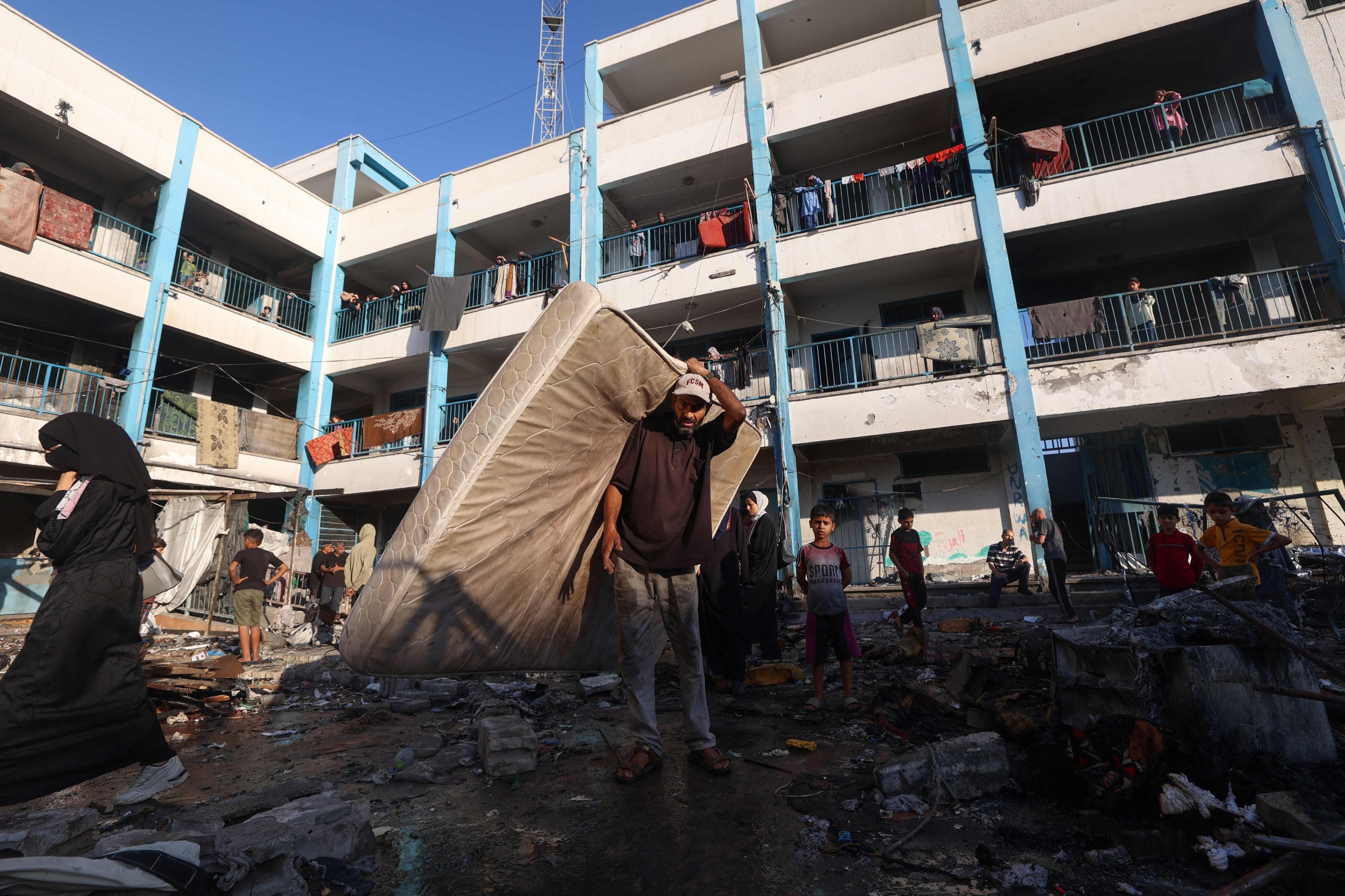
Israel's genocidal war, in comparison, has killed over 57,418 people in Gaza, mostly women and children, according to the Health Ministry, displaced almost the entire population of more than 2 million people, sparked a humanitarian crisis in the enclave and left much of the territory in ruins.
In Gaza City, children walked through debris, where residents said an Israeli airstrike had hit overnight, with children among the casualties. The Israeli military did not immediately provide details on the target of the strike.
"We hope that a cease-fire will be reached and that the massacres against the Palestinian people will stop," said Mohammed Joundiya, standing in the rubble left in the aftermath of the attack.
At Israel's parliament in Jerusalem, former hostage Keith Siegel, who was released in February in a previous cease-fire, described the anguish of those held incommunicado for hundreds of days in Hamas captivity. "We have a window of opportunity to save lives," he said, "every minute is critical."