New Israeli regulations governing the registration of non-governmental organizations risk severely disrupting humanitarian operations in Gaza and the occupied West Bank, aid workers warned, as more than a dozen groups have already been rejected under the new framework.
Under the rules, NGOs must re-register by Dec. 31, a process Israel says is intended to prevent hostile actors or supporters of terrorism from operating in Palestinian territories, not to impede humanitarian assistance.
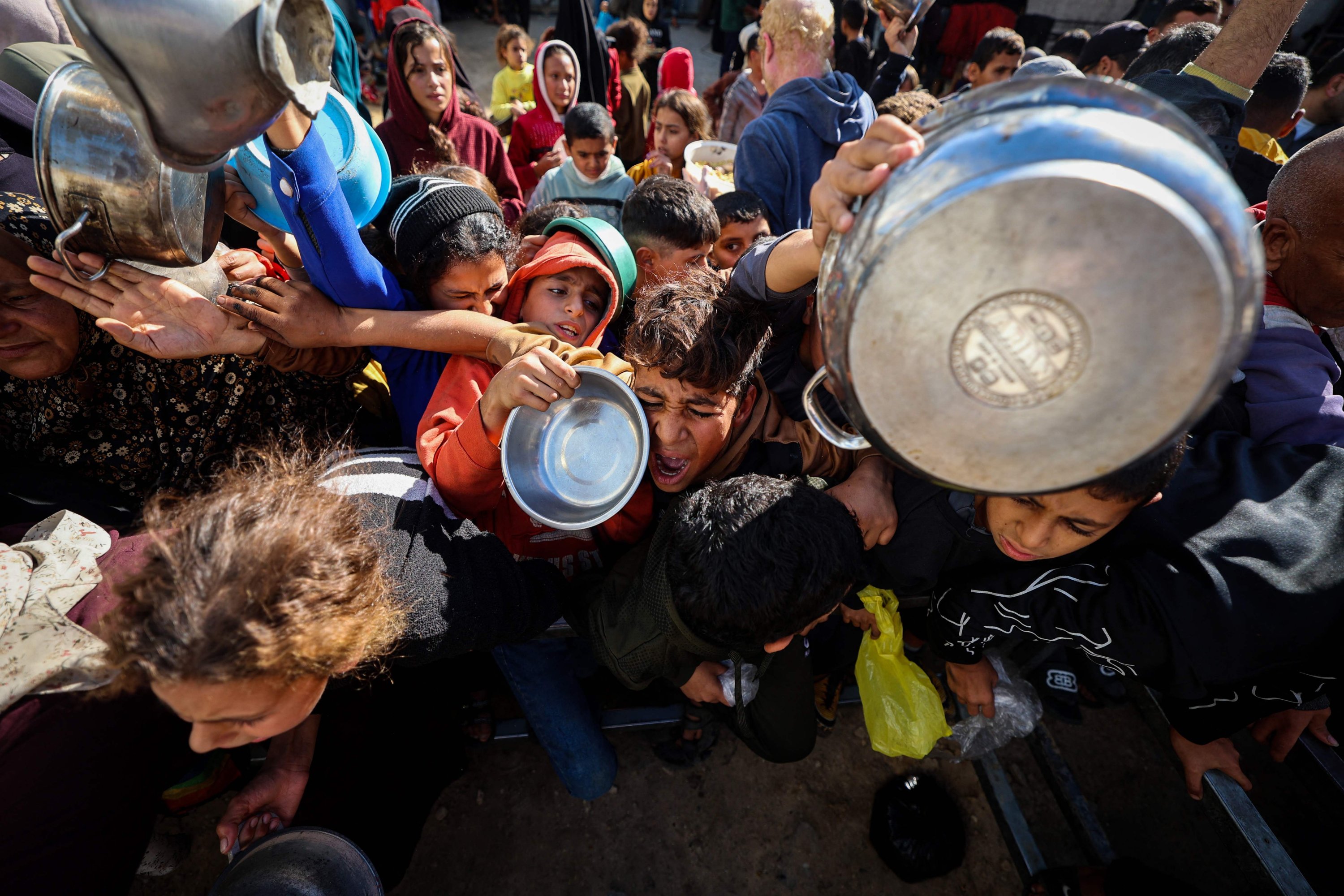
The controversy unfolds as Gaza continues to face a deep humanitarian crisis, with limited access to running water and electricity, despite a U.S.-brokered cease-fire reached in October following the Oct. 7, 2023, attack by Hamas on Israel.
Israel’s Ministry of Diaspora Affairs and Combating Antisemitism told AFP that as of November 2025, about 100 registration requests had been submitted, with 14 organizations rejected, while the remainder were approved or remain under review. Rejections, the ministry said, apply to organizations linked to terrorism, antisemitism, Holocaust denial, delegitimization of Israel, or denial of the crimes of Oct. 7.
Aid workers, however, warn that the new rules could sharply reduce humanitarian capacity. While the cease-fire agreement called for 600 aid trucks per day to enter Gaza, only 100 to 300 trucks carrying humanitarian assistance are currently allowed in, according to NGOs and the United Nations.
Among the organizations barred are Save the Children, one of the oldest humanitarian groups operating in Gaza, assisting about 120,000 children, and the American Friends Service Committee. Rejected NGOs have been given 60 days to withdraw international staff from Gaza, the West Bank and Israel and will no longer be permitted to send aid into Gaza.
Save the Children said its local staff and partners in Gaza remain committed to providing essential services, including psychosocial support and education, despite the restrictions.
The forum representing U.N. agencies and NGOs working in the area urged Israel to lift what it described as impediments that could lead to the collapse of the humanitarian response. The Humanitarian Country Team of the Occupied Palestinian Territory warned that dozens of NGOs face deregistration, adding that those approved so far represent only a fraction of what is needed to meet even basic needs in Gaza.
Several NGOs told AFP they complied with most registration requirements but refused to provide sensitive information about Palestinian staff, describing the request as a red line.
Aid workers say one of the most contentious requirements is proving they do not engage in the “delegitimization” of Israel, a term they argue is vague and open to broad interpretation.
“With the deadline approaching, there is growing concern that experienced NGOs may be forced out without viable replacements,” a European diplomatic source said. “They may wake up on Jan. 1 and realise there is no one left to fill the gap.”