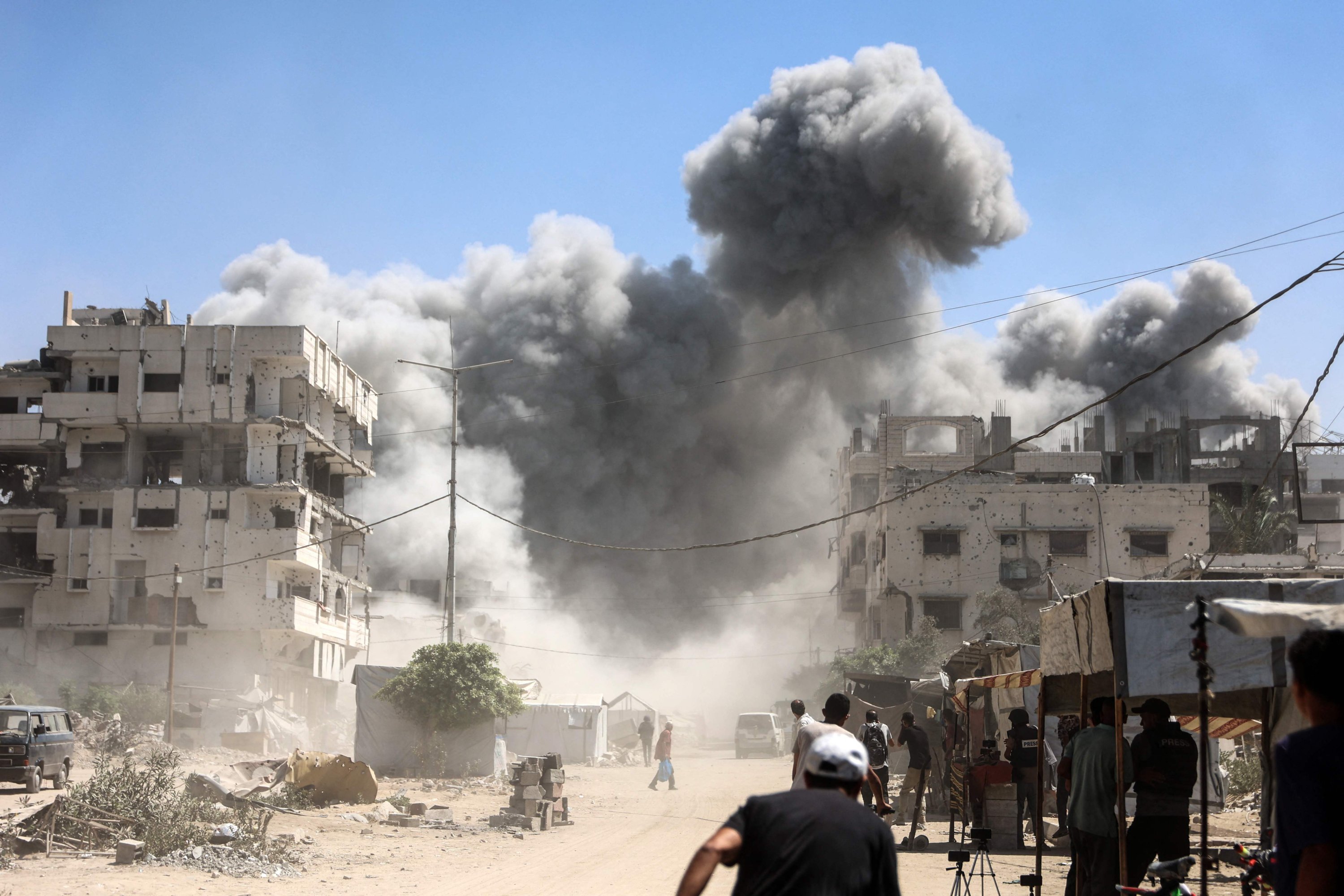
Israeli forces demolished at least 30 residential buildings in Gaza City and displaced thousands, Palestinian officials said Sunday, as U.S. Secretary of State Marco Rubio arrived to discuss the conflict’s future.
Israel has said it plans to fully occupy the city, where about a million Palestinians have been sheltering, as part of its declared aim of eliminating Hamas, and has intensified attacks on what it has called the resistance group's last bastion.
Hamas' political leadership, which has engaged in on-and-off negotiations on a possible cease-fire and hostage release deal, was targeted by Israel in an airstrike in Doha on Tuesday in an attack that drew widespread condemnation.
Qatar will host an emergency Arab-Islamic summit Monday to discuss the next moves. Rubio said Washington wanted to talk about how to free the 48 hostages – of whom 20 are believed to be still alive – still held by Hamas in Gaza and rebuild the coastal strip.
"What's happened, has happened," he said. "We're gonna meet with them (the Israeli leadership). We're gonna talk about what the future holds," Rubio said before heading to Israel, where he will stay until Tuesday.
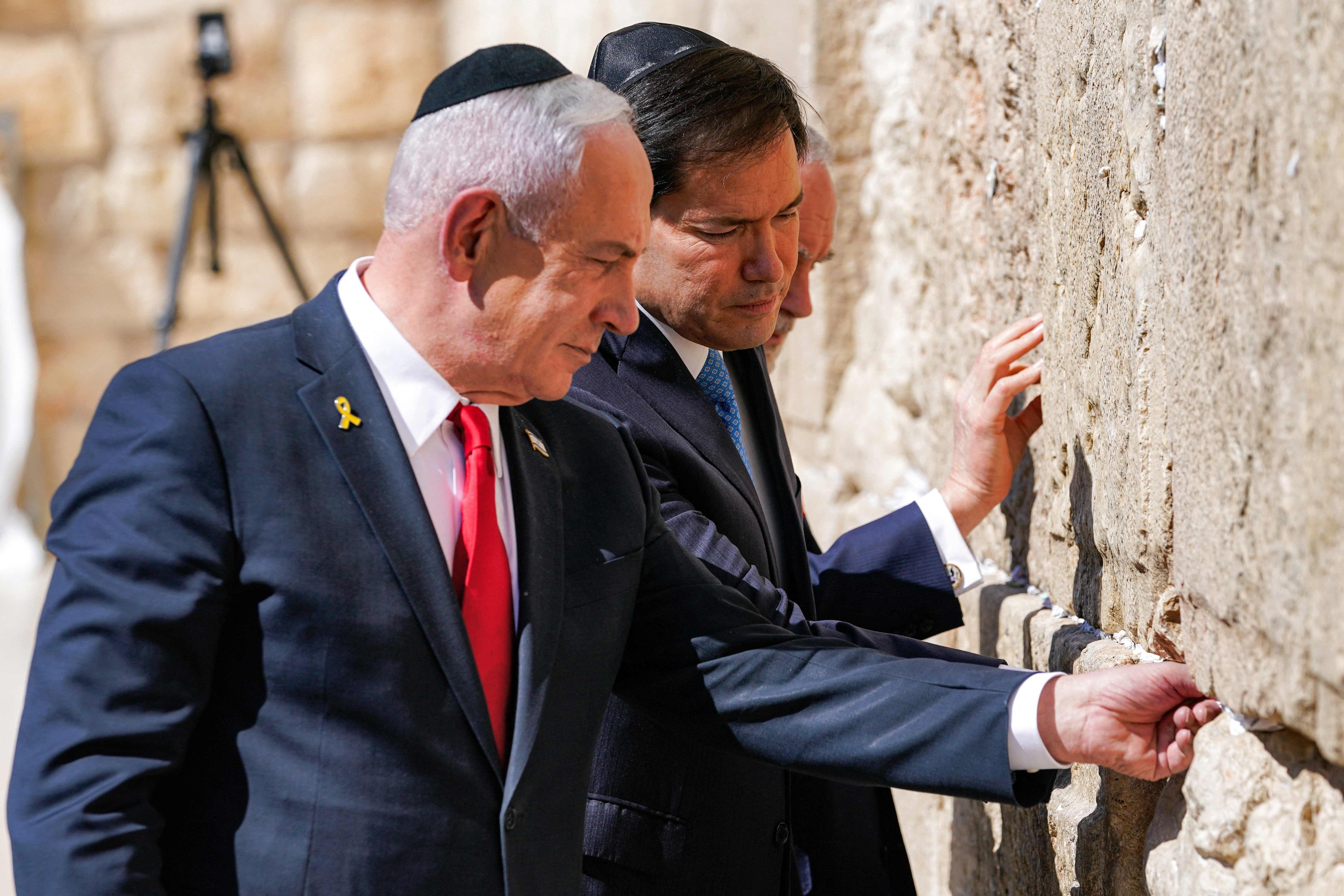
He visited the Western Wall Jewish prayer site in Jerusalem on Sunday with Prime Minister Benjamin Netanyahu and would hold talks with him during the visit.
U.S. officials described Tuesday's strike on the territory of a close U.S. ally as a unilateral escalation that did not serve American or Israeli interests. Rubio and U.S. President Donald Trump both met Qatar's Prime Minister Mohammed bin Abdulrahman Al-Thani on Friday.
Netanyahu signed an agreement on Thursday to push ahead with a settlement expansion plan that would cut across West Bank land that the Palestinians seek for a state – a move the United Arab Emirates warned would undermine the U.S.-brokered Abraham Accords that normalized UAE relations with Israel.
Aid agencies say an Israeli takeover of Gaza City would be catastrophic for a population already facing widespread malnutrition.
Two more Palestinians have died of malnutrition and starvation in Gaza in the past 24 hours, the territory's health ministry said Sunday, raising deaths from such causes to at least 422 people, including 145 children.
Israel, which blocked all food from entering Gaza for 11 weeks earlier this year, has been allowing more aid into the enclave since late July to prevent further food shortages, though the United Nations says far more is needed.
It says it wants civilians to leave Gaza City before it sends more ground forces in. Tens of thousands of people are estimated to have left, but hundreds of thousands remain in the area. Hamas has called on people not to leave.
Israeli army forces have been operating inside at least four eastern suburbs for weeks, turning most of at least three of them into wastelands. It is closing in on the center and the western areas of the territory, where most of the displaced people are taking shelter.
Many are reluctant to leave, saying there is not enough space or safety in the south, where Israel has told them to go to what it has designated as a humanitarian zone.
Some say they cannot afford to leave, while others say they were hoping the Arab leaders meeting Monday in Qatar would pressure Israel to scrap its planned offensive.
"The bombardment intensified everywhere and we took down the tents, more than 20 families, we do not know where to go," said Musbah al-Kafarna, displaced in Gaza City.
Israel said it had completed five waves of airstrikes on Gaza City over the past week, targeting more than 500 sites, including alleged Hamas sites.
Local officials said at least 40 people were killed by Israeli fire across the enclave, at least 28 in Gaza City alone.
Hamas said that Israeli forces have destroyed at least 1,600 residential buildings and 13,000 tents since Aug. 11.
Israel's nearly two-year-long genocidal war on Gaza has killed nearly 65,000 people, mostly women and children, according to local authorities.