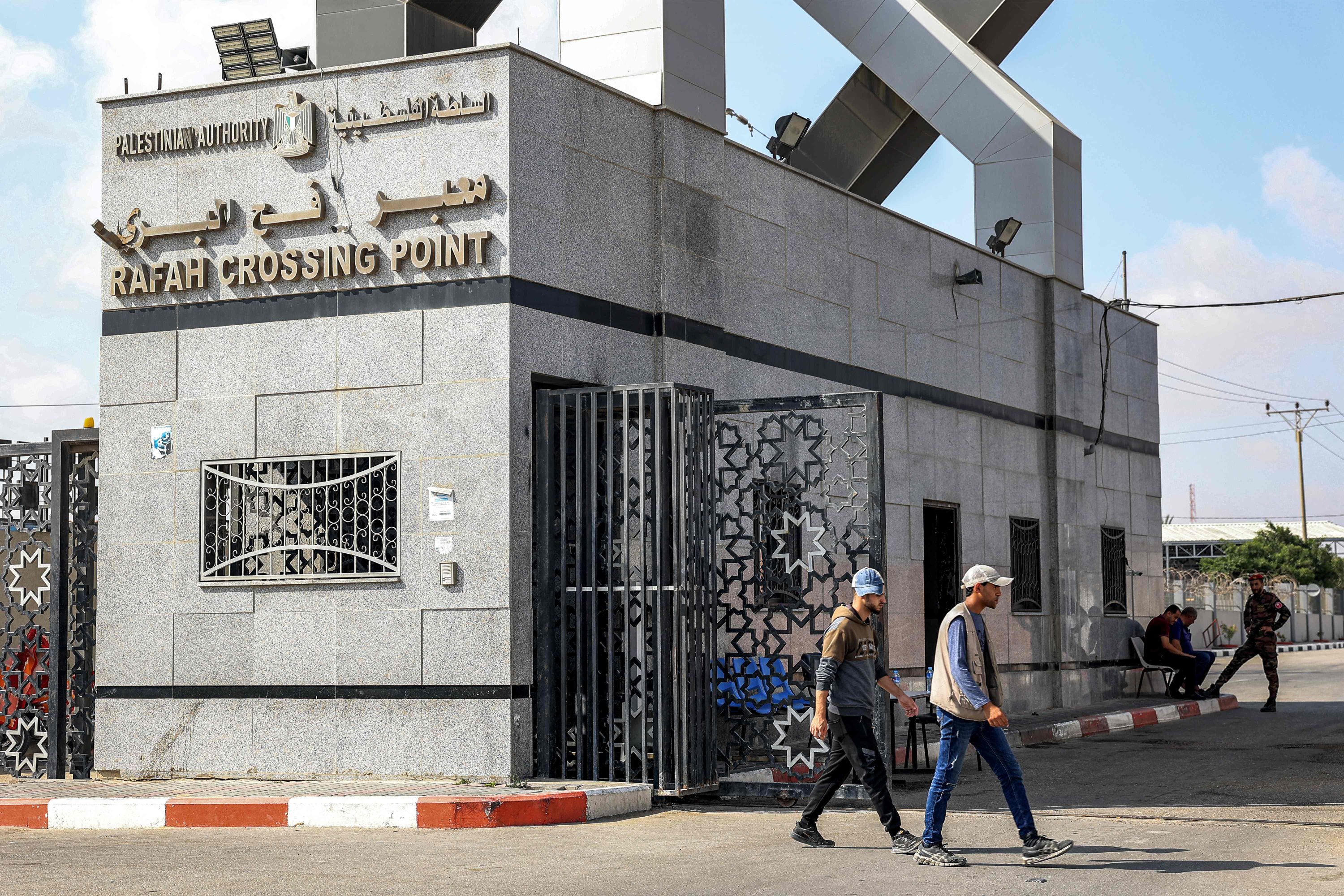
Israel said Monday it would allow a limited reopening of the Rafah border crossing between Gaza and Egypt, contingent on the recovery of the remains of the last Israeli hostage still held in the Palestinian territory, a move that could unlock the next phase of a fragile, U.S.-brokered cease-fire.
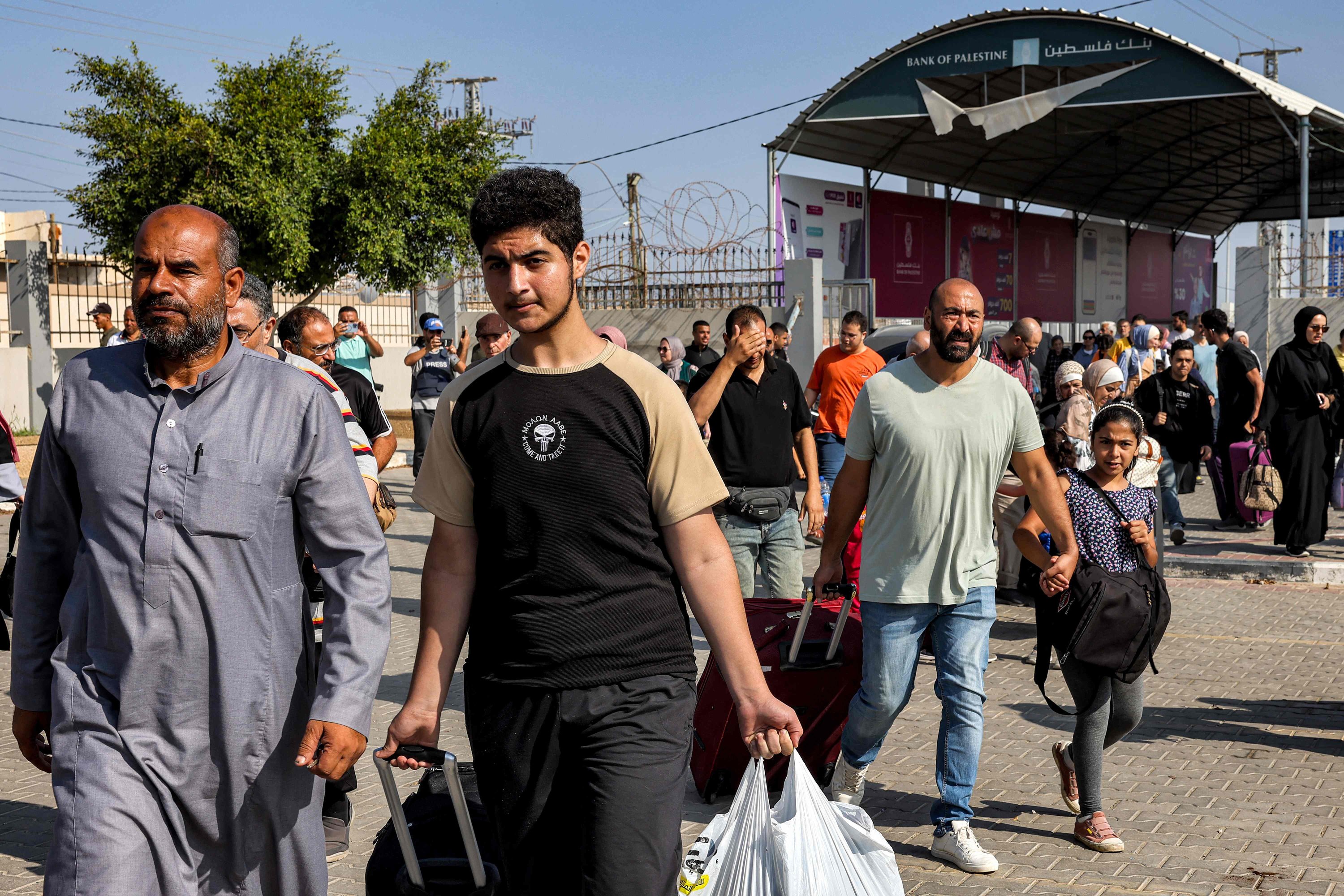
Rafah, Gaza’s most critical gateway for humanitarian aid and civilian movement, has been shuttered since Israeli forces seized control of the crossing earlier in the war.
Its reopening has long been a core demand of aid agencies and a central provision of the cease-fire framework announced by U.S. President Donald Trump in October.
Prime Minister Benjamin Netanyahu’s office said the crossing would reopen for pedestrian passage only, and only after Israel completes its search for the remains of Ran Gvili, an Israeli police officer killed during Hamas’ Oct. 7, 2023, incursion.
“Upon completion of this operation, and in accordance with what has been agreed upon with the United States, Israel will open the Rafah Crossing,” Netanyahu’s office said in a statement posted on X.
The Israeli military confirmed it was conducting a large-scale operation, including searches of a cemetery in northern Gaza, to locate Gvili’s remains. Israeli officials said the operation could take several days.
Gvili, a non-commissioned officer in the elite Yassam police unit, was killed on the day of the Oct. 7 attack, and his body was taken into Gaza.
He is the last of the 251 hostages seized by Hamas whose remains have not yet been returned.
Hamas’ armed wing, the Ezzedine al-Qassam Brigades, said Sunday it had provided mediators with all available information on the location of Gvili’s body.
Israel, in turn, has accused Hamas of delaying recovery efforts, while Hamas says Israeli restrictions have impeded searches in areas under Israeli control.
Gvili’s family has urged Netanyahu’s government not to move ahead with the second phase of the cease-fire, which includes reopening Rafah, until his remains are returned.
“First and foremost, Ran must be brought home,” the family said in a statement.
U.S. envoys Steve Witkoff and Jared Kushner pressed Israeli officials over the weekend to reopen the crossing during meetings in Jerusalem, according to Israeli media reports.
Washington has publicly stated in recent days that it considers the second phase of the cease-fire to be underway.
Gaza’s newly appointed administrator, Ali Shaath, said last week that Rafah would open “in both directions,” calling the crossing “more than a gate, a lifeline and a symbol of opportunity” for Palestinians.
Aid agencies have repeatedly warned that Gaza’s population of roughly 2.2 million people remains heavily dependent on external aid after more than two years of war, which devastated infrastructure, flattened neighborhoods and crippled the health system.
The war began following Hamas’ Oct. 7, 2023, incursion into Israel, which killed about 1,221 people.
Gaza health authorities say more than 70,000 Palestinians have since been killed in Israel’s military campaign, figures that cannot be independently verified.
The announcement on Rafah came amid rising tensions elsewhere, including an overnight fire at the shuttered headquarters of the United Nations Relief and Works Agency for Palestine Refugees in the Near East (UNRWA) in east Jerusalem.
The cause of the blaze was unclear, though U.N. officials said Israeli settlers were seen looting the compound.
UNRWA Commissioner-General Philippe Lazzarini called the incident “the latest attack on the U.N.” as Israel continues efforts to sever ties with the agency, accusing it of Hamas infiltration, claims UNRWA has denied while saying it has acted against employees accused of wrongdoing.