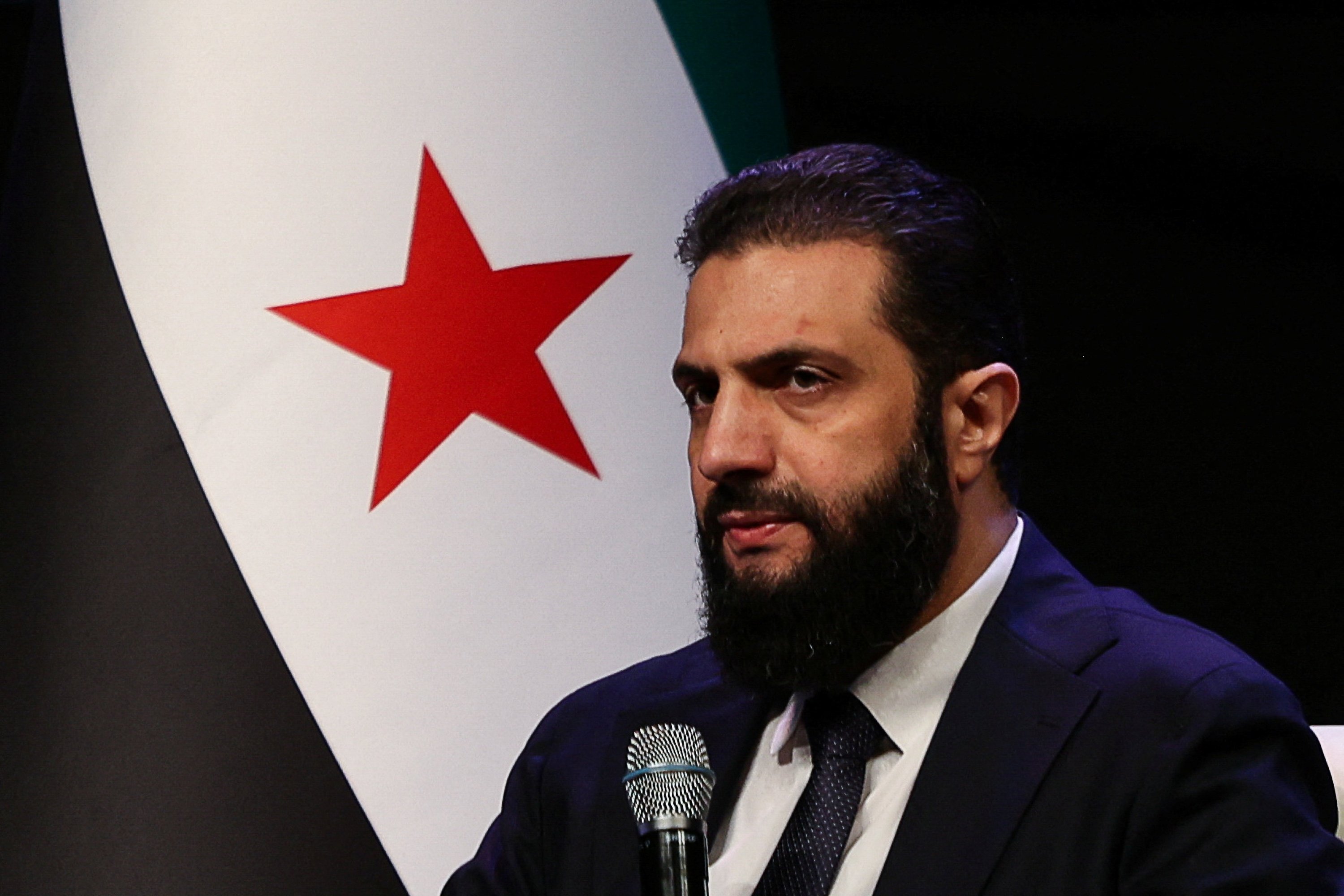
As Syria navigates its postconflict transition, the justice minister said the government has formally sought the extradition of former regime dictator Bashar Assad and all figures linked to his rule, signaling a broader effort to reshape the country’s legal and political order.
The statement comes as authorities press ahead with what they describe as a structured transitional justice process aimed at balancing accountability with national stability.
Justice Minister Mazhar al-Wais said a recently issued general amnesty decree was a “pressing necessity imposed by the complex legal and legislative reality,” emphasizing that it is constitutional and legally sound.
The decree was issued Wednesday by Syrian President Ahmad al-Sharaa and grants a general amnesty for certain offenses while reducing sentences for others.
In an interview with Al Jazeera, al-Wais said implementation of the decree began immediately upon its issuance. He said about 1,500 individuals have already been released and estimated that nearly 500,000 Syrians could ultimately benefit from the measure.
However, al-Wais stressed that the amnesty does not extend to those responsible for major crimes against Syrians.
“No one involved in spilling a single drop of blood against the Syrian people has been or will be released,” he said, drawing a clear line between reconciliation efforts and accountability for serious offenses.
Addressing transitional justice more broadly, al-Wais said the ministry is following what he described as a correct path that rejects both revenge and impunity.
He said trials under this framework are expected to begin soon, once judicial files are completed and supported by sufficient evidence and documentation.
On former regime officials, al-Wais said the Syrian state has emphasized “the necessity of handing over Bashar Assad and all those involved with him,” calling for “a clear legal process that places states before their legal and moral obligations.”
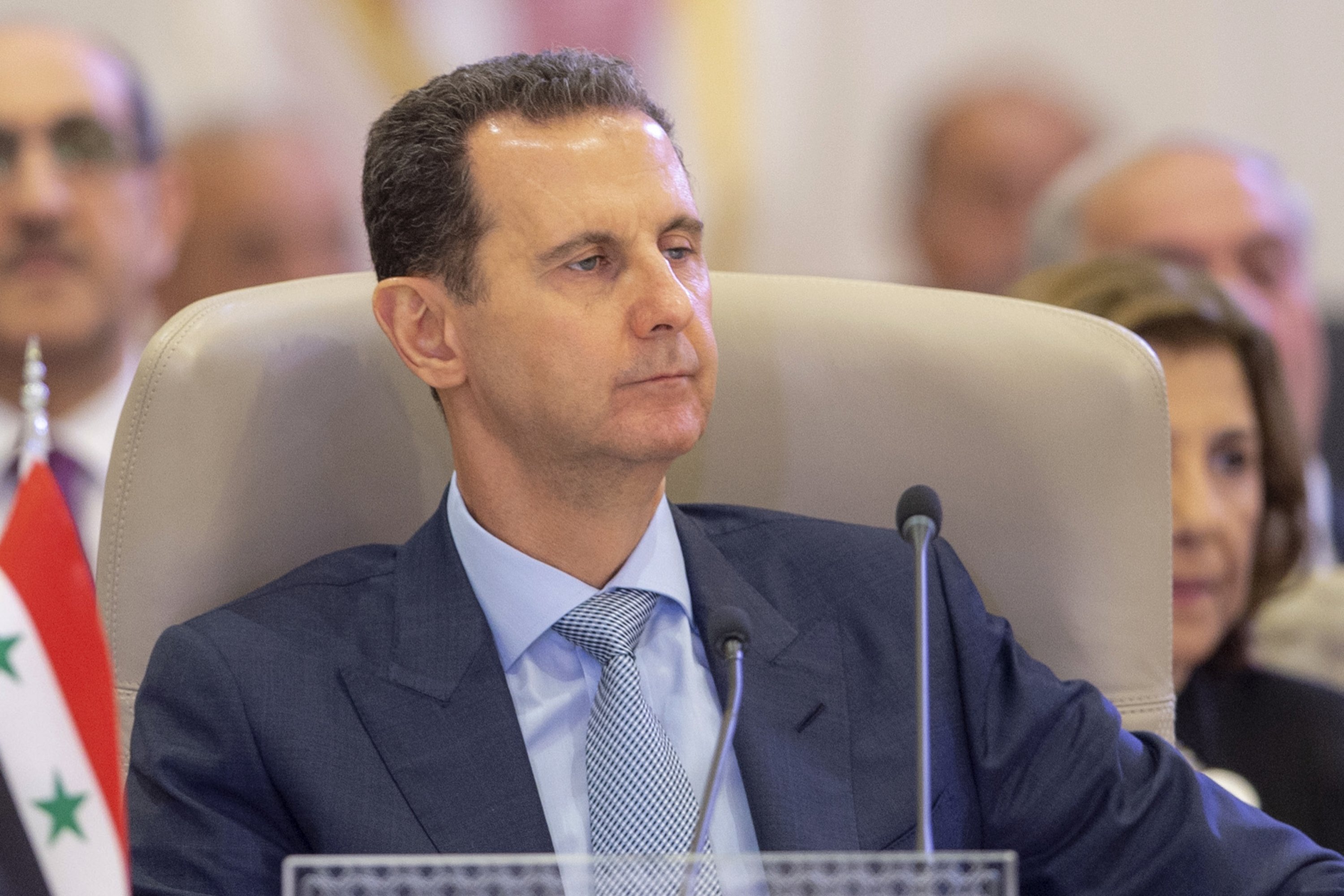
“Syrian justice will not remain silent over any criminal,” he said. “We will pursue them through appropriate and internationally legitimate legal means.”
Assad, who ruled Syria for nearly 25 years, fled to Russia in late 2024, ending the Baath Party’s decadeslong regime that began in 1963.
Throughout the conflict, Assad’s government was accused of committing war crimes and crimes against humanity, including indiscriminate attacks on civilians, torture and the use of chemical weapons. Those allegations are likely to figure prominently in any future accountability process.