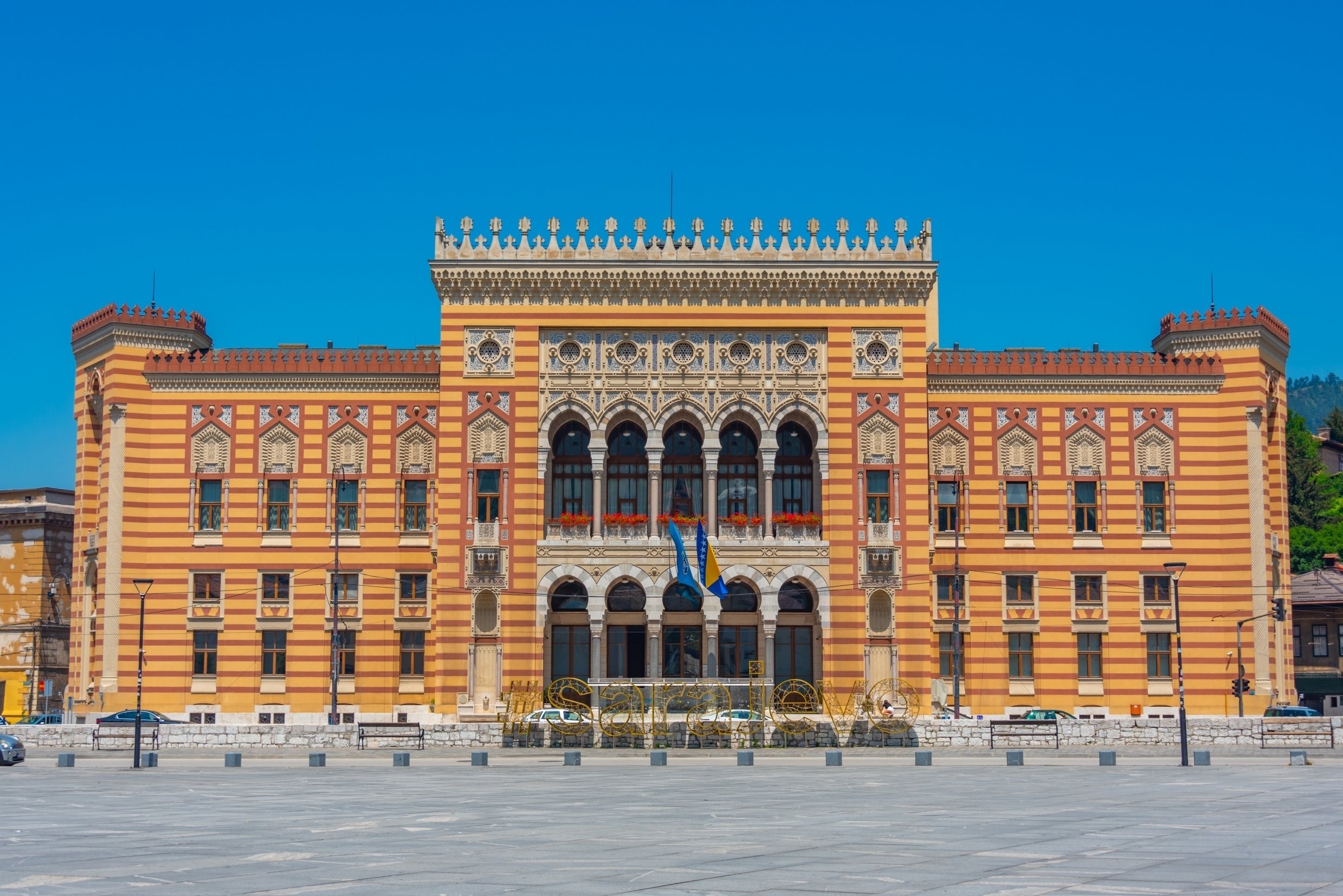
Located in Bosnia-Herzegovina's capital Sarajevo and considered one of the city's most prominent symbols, the historical Vijecnica Library continues to serve as the city’s memory 34 years after it was burned in an attack by Serb forces on Aug. 25, 1992.
Following the Ottoman Empire's departure from the region, the structure was built in the Andalusian architectural style under Austro-Hungarian rule and emerged as one of the most prominent landmarks in the area. Construction on the building started in 1892 after architect Aleksandar Witek reportedly took inspiration from mosques and madrassas in Egypt's capital, Cairo, for the design, and it opened its doors once completed.
Opening as a city hall on April 20, 1896, Vijecnica retained this role until World War II ended. The building was converted into a national library in 1945, acquiring the moniker of "Sarajevo's memory" ever since.
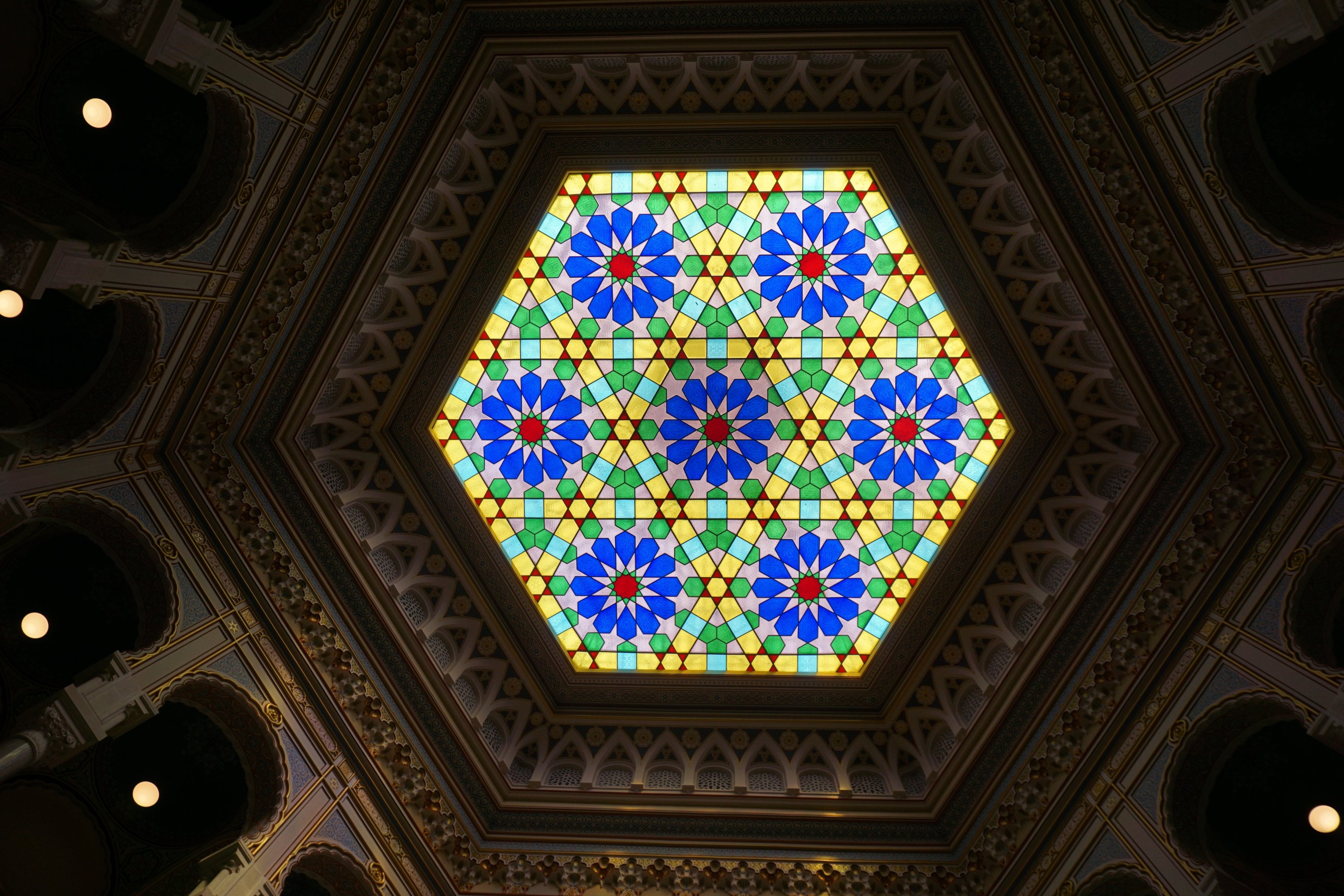
During the 1992-1995 Bosnian War, Serb forces besieging Sarajevo targeted Vijecnica, along with many other historical and cultural sites across the city. The library building was hit by artillery shells on Aug. 25, 1992, sending its books, historical documents and archival records up in flames.
The fire in the building, which still bears the scars of the war today, could not be extinguished for three days. According to official reports, approximately 2 million items, including the country's national archives and 155,000 manuscripts, were destroyed in the blaze.
Before its destruction, the library served as the nation’s memory, housing roughly 6 million books and archival documents, including manuscripts and rare works from the Bosniak, Serb, Croat and Jewish communities. Repairs to the library began in 1996, a year after the war ended.
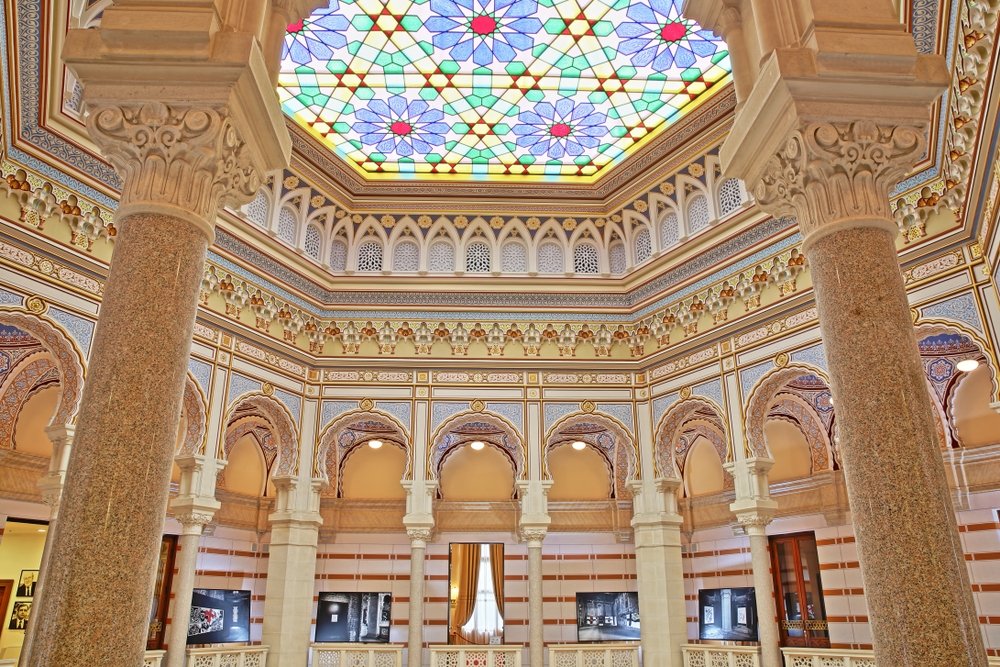
Vijecnica reopened its doors to visitors on May 9, 2014, following the completion of an 18-year restoration project.
Serving as a museum today following its restoration, the structure hosts various exhibitions, receptions and events while continuing to illuminate the history of both the capital and the nation.
A living witness to the suffering Sarajevo endured during the nearly four-year Serb siege, the historic building is now a major attraction for local and foreign tourists alike. Thanks to its prominent location, Vijecnica Library remains a hotspot for photography enthusiasts and welcomes tens of thousands of visitors each year.