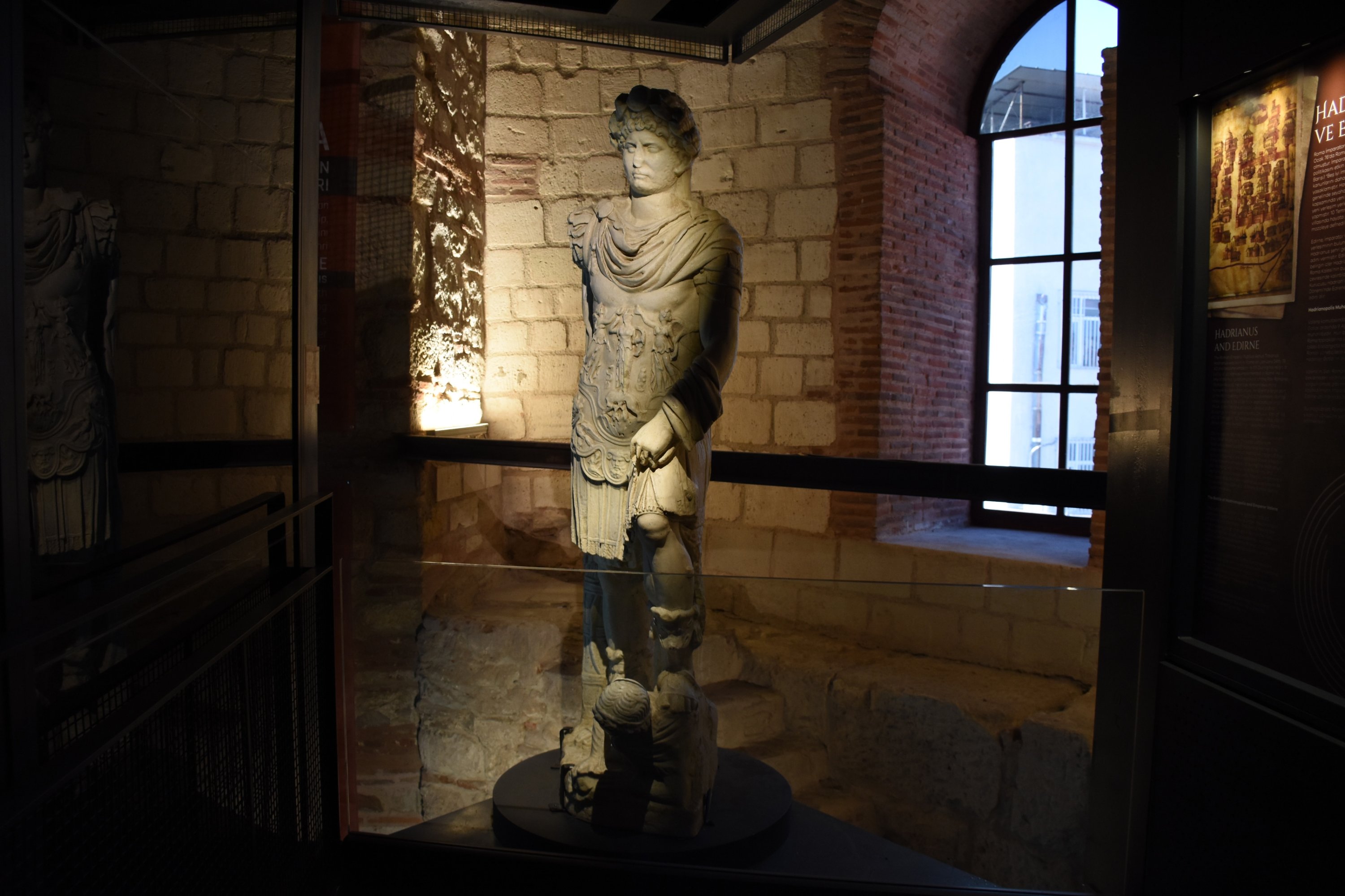
The Macedonian Tower, restored and converted into a museum by Türkiye’s Ministry of Culture and Tourism, welcomed nearly 11,000 domestic and international visitors in its first month after opening on July 6.
The tower, one of Edirne’s historic landmarks, reopened following restoration, archaeological excavations and exhibition work. Visitors take an elevator to the upper section before descending by stairs, where exhibits trace Edirne’s history from the Roman era through the Republican period. An observation terrace offers panoramic city views.
Excavations uncovered a 10th-century chapel annex, a Byzantine-era pottery kiln, a 1908 Ottoman icehouse, an Ottoman infrastructure system and foundations of late Ottoman-era residences.
“The Macedonian Tower Museum has become a living museum that tells the story of Edirne’s multilayered history, stretching from antiquity through the Ottoman period and into the Republic,” Edirne Provincial Culture and Tourism Director Kemal Soytürk told Anadolu Agency (AA). “Every artifact displayed here sheds light on the city’s thousands-year-old cultural memory.”
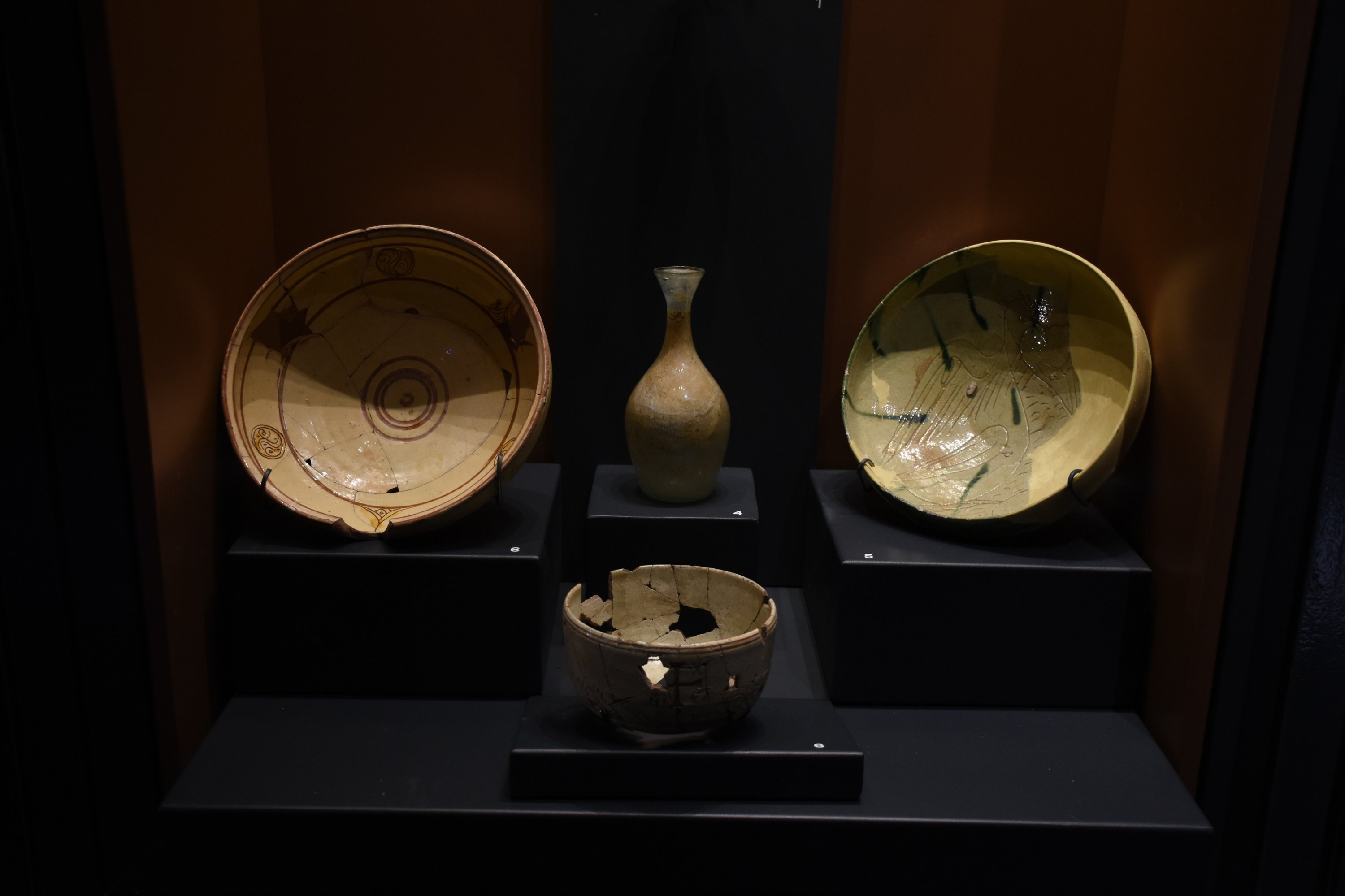
The museum displays ceramics, glassware, oil lamps, coins, jewelry, household objects and architectural fragments from the Roman, Byzantine, Ottoman and Republican periods.
Among the most popular exhibits is a second-century B.C. head of Odysseus discovered in Edirne’s Kaleiçi district in 1977. Interest in the work has increased following the release of Christopher Nolan’s “The Odyssey,” Soytürk said.
The museum also displays a fire brigade horn used when the tower served as a fire-watch post.
Ersin Al, who has lived in Edirne for 14 years, praised the restoration.
“It was in a state of disrepair before. Now it looks very beautiful,” he said. “I think it will make a major contribution to tourism in our city. If Istanbul has the Galata Tower, we have the Macedonian Tower.”
Built during the reign of Roman Emperor Hadrian, the tower is the only surviving tower from the fortifications that once surrounded ancient Edirne. It was converted into a clock tower in 1867, later served as a fire-watch tower but was heavily damaged in the 1953 earthquake.
After restoration in the 1990s, archaeological excavations were conducted in 2002 and 2003. Following its latest restoration and exhibition work, the tower reopened as the Macedonian Tower Museum.