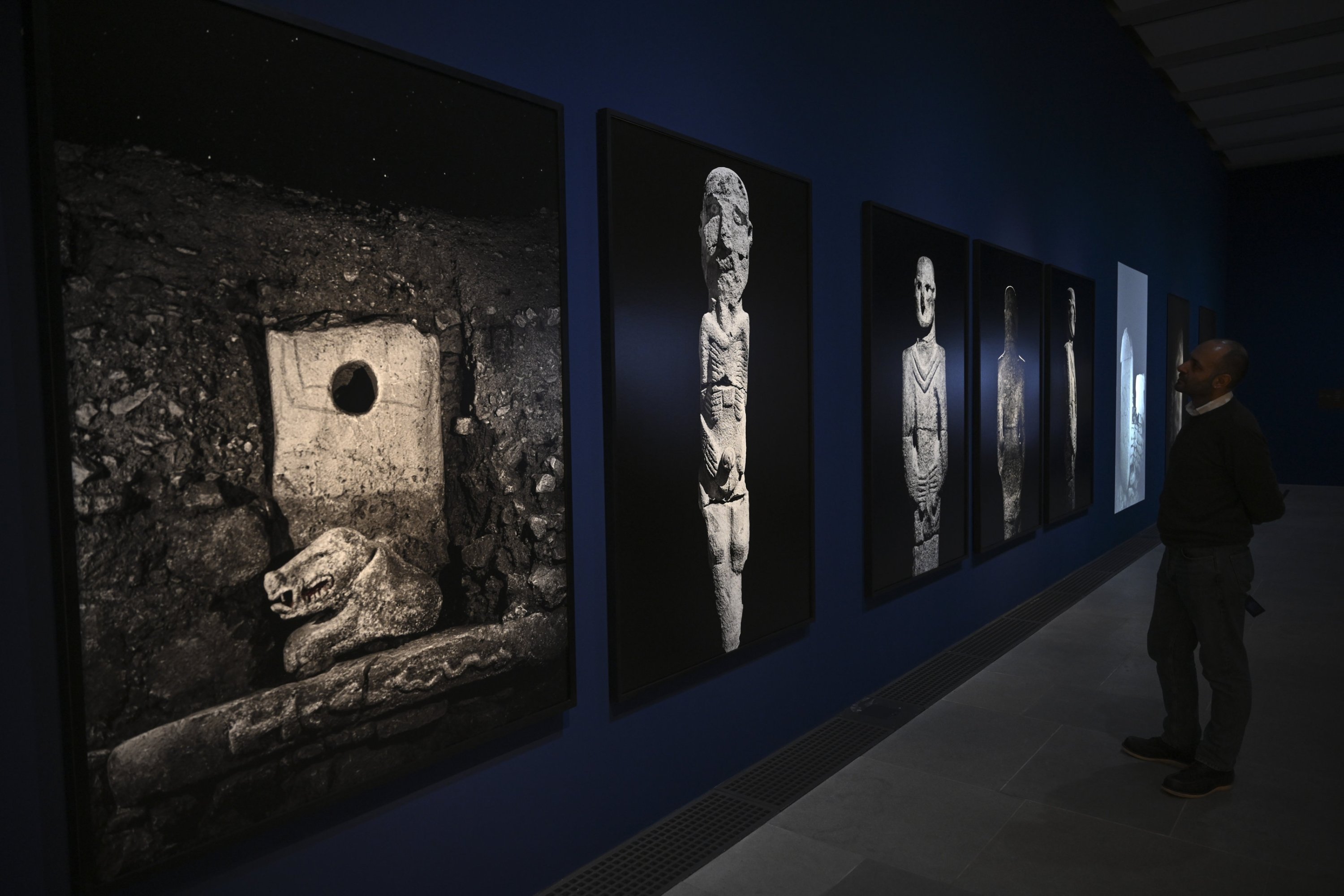
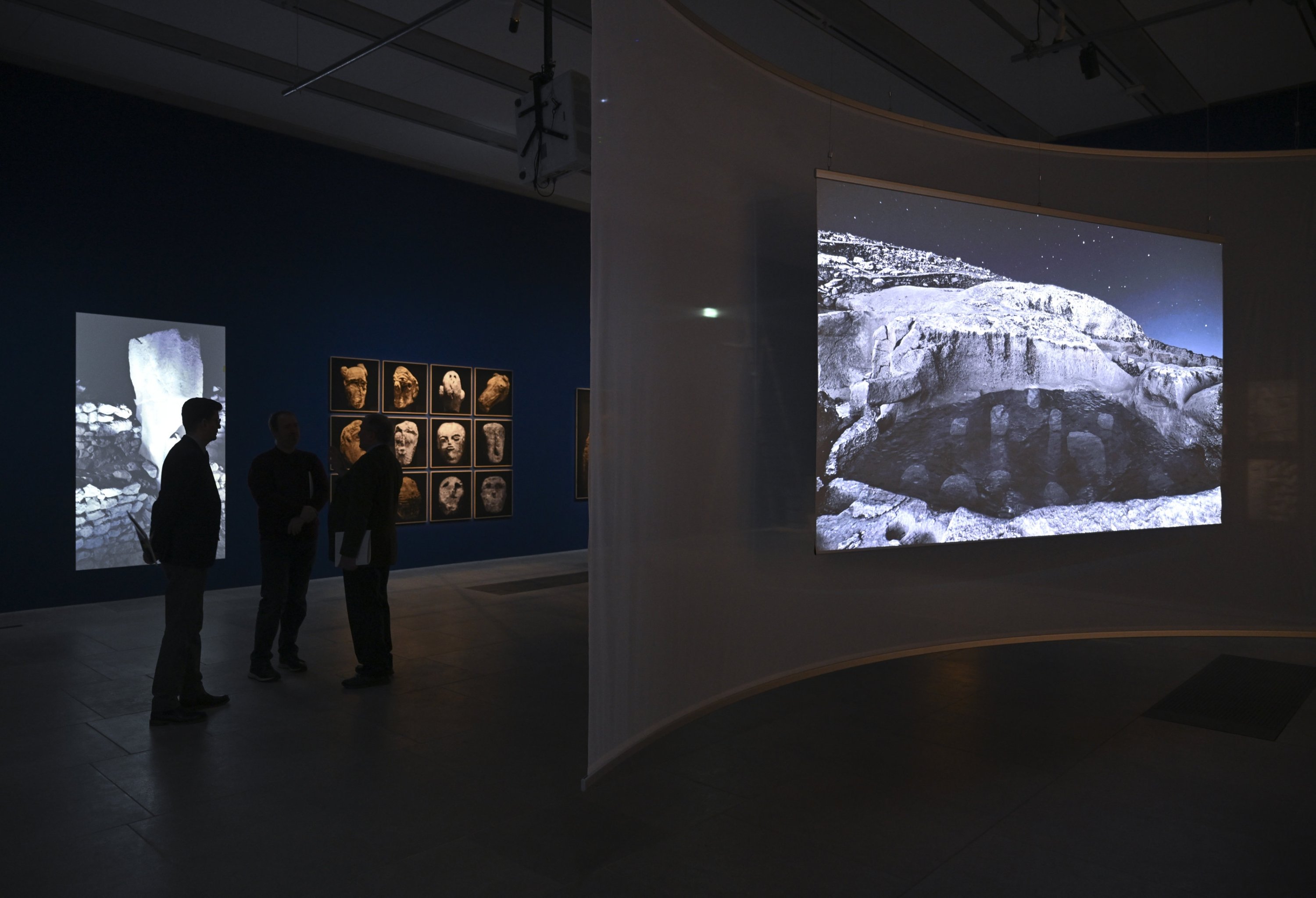
The exhibition “Building Community: Göbeklitepe, Taş Tepeler and Life 12,000 Years Ago” opened in Berlin on Feb. 6, a collaboration between Türkiye’s Ministry of Culture and Tourism and the Vorderasiatisches Museum of the Berlin State Museums.
The opening at the James-Simon Galerie on Museum Island was attended by Minister of Culture and Tourism Mehmet Nuri Ersoy, German Minister of State for Culture and Media Wolfram Weimer, Turkish Ambassador to Germany Gökhan Turan, German Archaeological Institute President Friederike Fless, exhibition photographer Isabel Munoz, Taş Tepeler (Stone Mounds) Project Director Necmi Karul and Vorderasiatisches Museum Director Barbara Helwing.
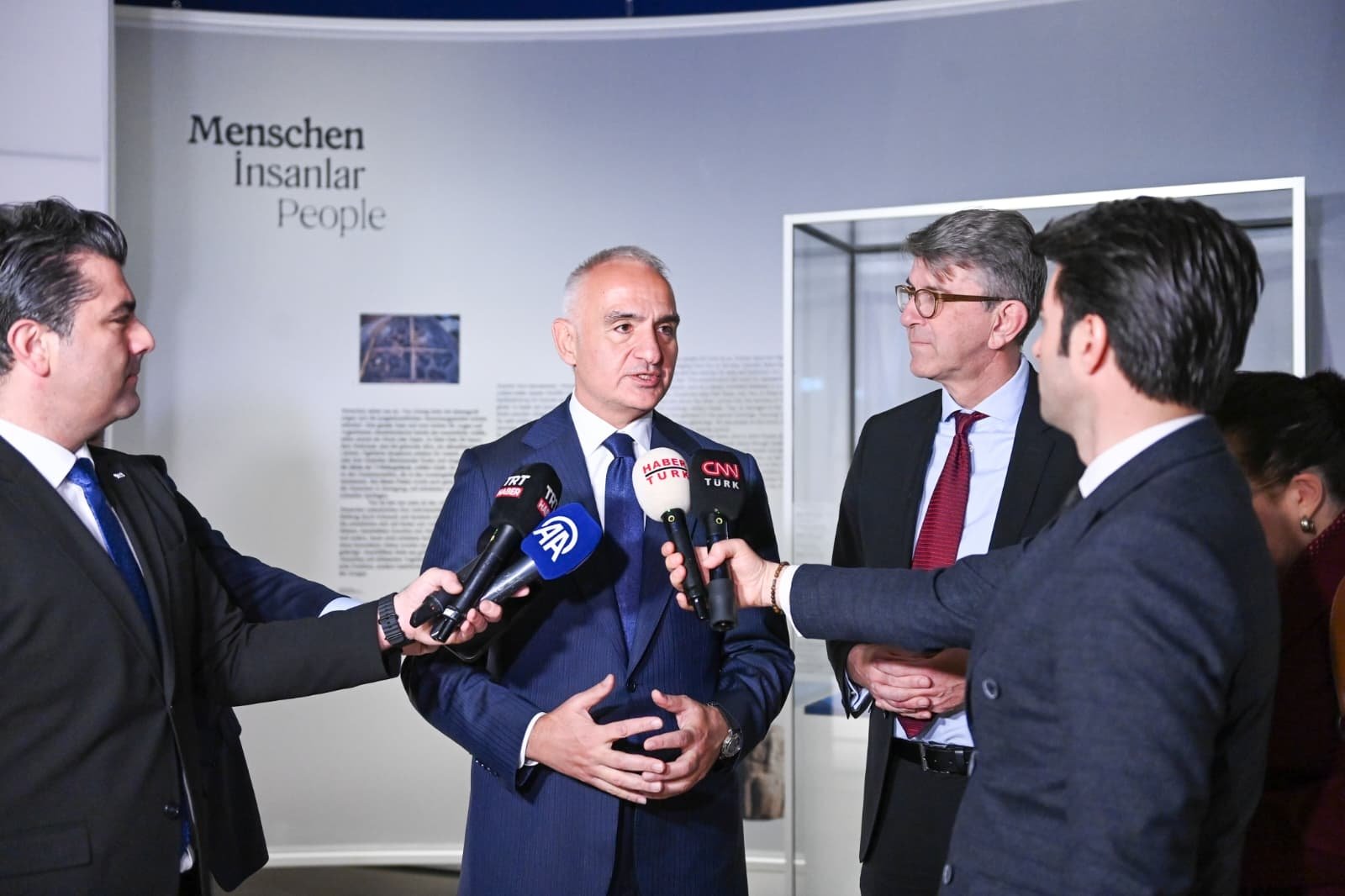
In his remarks, Ersoy said he was delighted to present a “unique heritage belonging to humanity’s shared past” at the heart of Europe. “Through this exhibition, we witness some of the earliest and most striking chapters of human history,” he said, noting that Göbeklitepe and the Taş Tepeler showcase humanity’s common heritage.
Ersoy emphasized archaeology’s role in uncovering shared memory. “Archaeology lifts the dust off our collective memory, connecting us to eras where humanity lived together, not apart. Despite modern scientific and technological advances, the past still teaches us invaluable lessons,” he said, adding that Türkiye aims to share these lessons with the world.
The Taş Tepeler Project, which includes Göbeklitepe, reflects decades of intensive research and has fundamentally changed what is known about early human settlements. “In the part of the Fertile Crescent within Türkiye, especially around Şanlıurfa, some of the most transformative shifts in human history occurred. The earliest traces of the transition from hunter-gatherer life to settled agriculture are found in sites such as Göbeklitepe and the Taş Tepeler,” Ersoy said. He added that these discoveries show architecture, sculpture, belief systems and social organization developed far earlier than previously thought, prompting a reevaluation of early civilization.
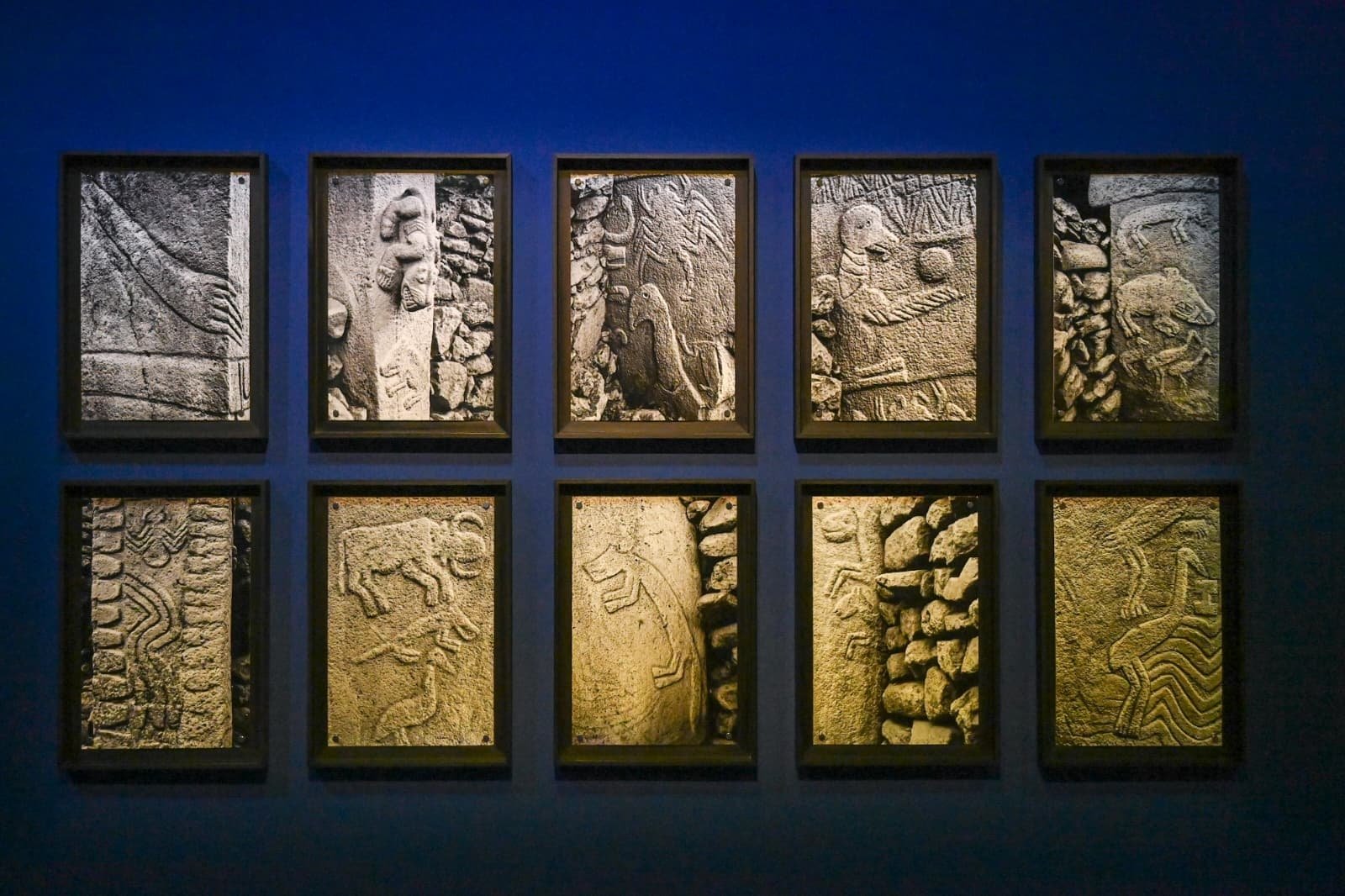
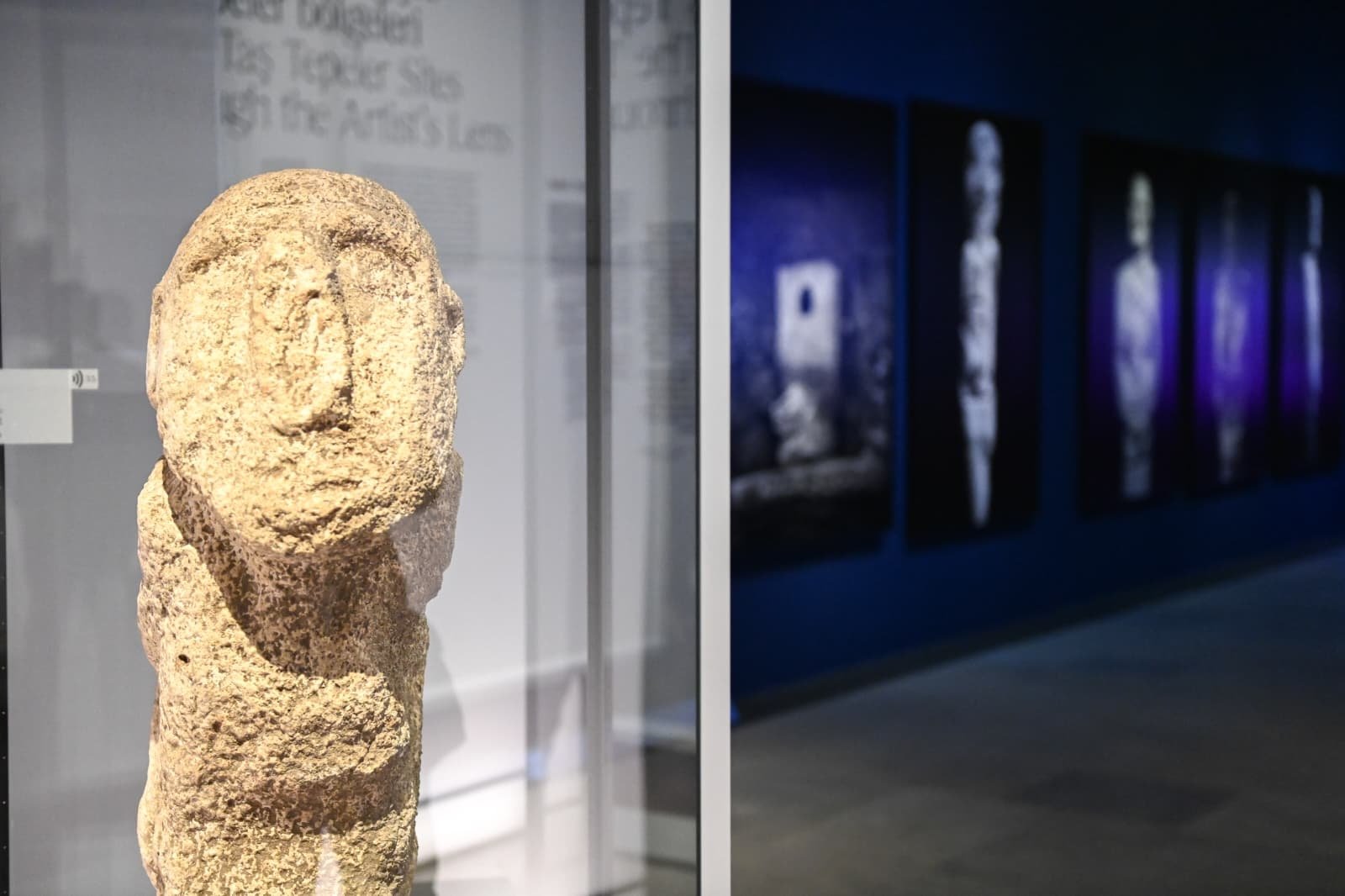
The exhibition presents artifacts that illuminate how Neolithic humans perceived the world, interacted with nature and structured society. Finds from Göbeklitepe, Karahantepe and Sayburç reveal that symbolic thought, communal rituals, public life and complex social systems existed well before agriculture. The show also highlights the craftsmanship, daily life, rituals and symbolic worlds of these early societies.
Ersoy described the Taş Tepeler Project as a “universal value” fostering international scientific collaboration, with numerous Turkish and foreign institutions involved. The exhibition also builds on global recognition efforts, including the 2024 World Neolithic Congress in Şanlıurfa, which brought together over 1,000 scholars from 64 countries and exhibitions by photographer Isabel Munoz in Istanbul, Ankara and Madrid. He noted that the 2024-2025 exhibition “Göbeklitepe: Mystery of a Sacred Site” at Rome’s Colosseum also highlighted the universal significance of the heritage.
Ersoy praised the long-standing cultural, scientific and archaeological collaboration between Türkiye and Germany, recalling the German Archaeological Institute’s work in Türkiye since 1929. He paid tribute to professor Klaus Schmidt and former Institute Director Harald Hauptmann for their contributions to understanding Göbeklitepe and Anatolian archaeology.
Thanking all involved, including the Berlin Embassy, the cultural attache, Turkish Airlines, professor Necmi Karul and the teams of archaeologists and museum staff, Ersoy concluded that he hoped the exhibition would inspire visitors to explore humanity’s past and shared origins.
Weimer welcomed the exhibition, noting its “extraordinary importance for the history of humanity and civilization” and calling the Turkish-German archaeological partnership “a strong example of understanding humanity’s shared roots.” He also confirmed discussions with Ersoy on future joint archaeological projects.