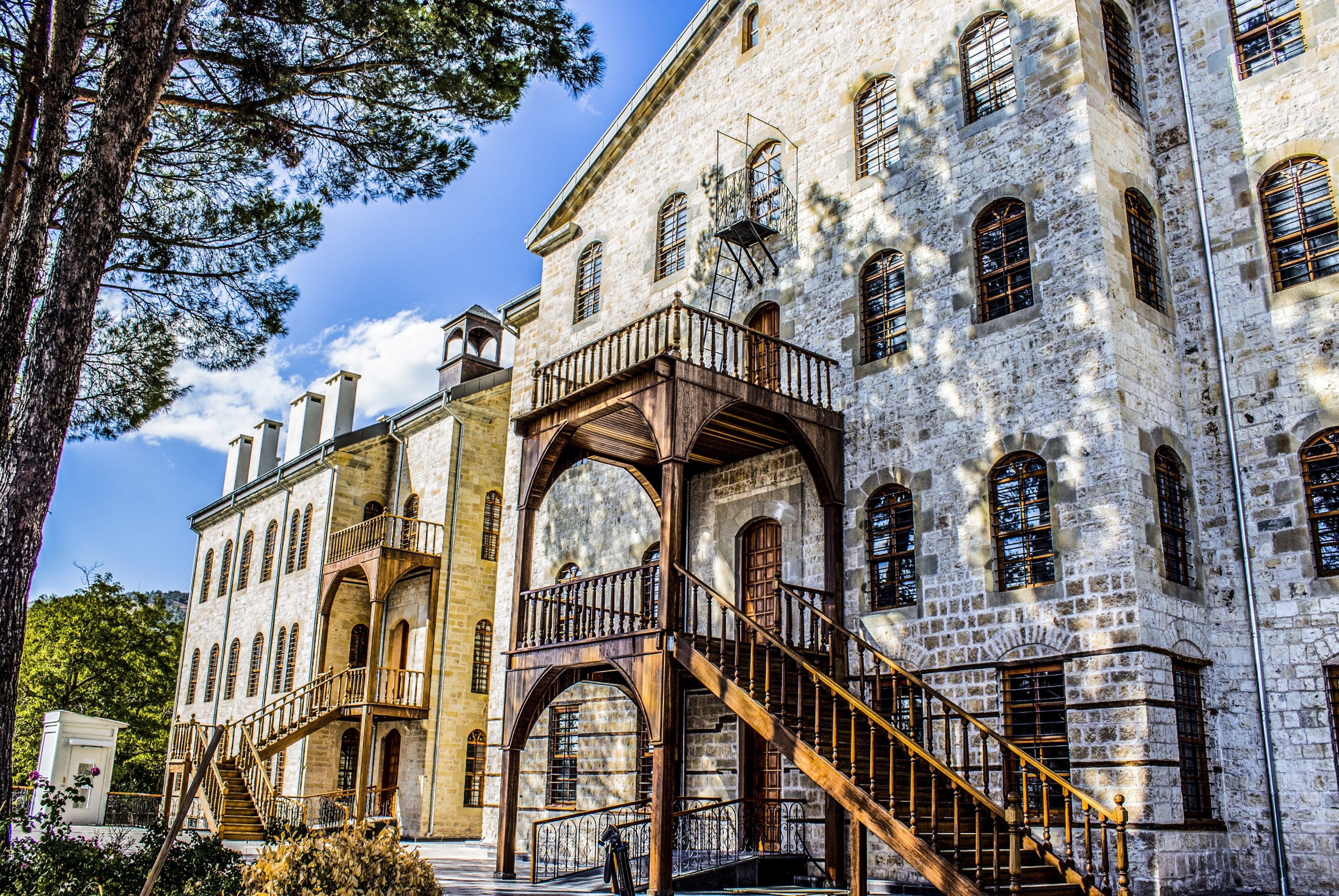
Kahramanmaraş in southern Türkiye has been designated a UNESCO City of Literature, joining the UNESCO Creative Cities Network in recognition of its centuries-old literary heritage and ongoing commitment to literature, culture and sustainable urban development.
Established in 2004, the UNESCO Creative Cities Network promotes creativity as a strategic driver of sustainable urban development. The network brings together hundreds of cities worldwide that collaborate across creative fields including literature, gastronomy, design, music, film, media arts, crafts and folk art.
The City of Literature designation is awarded to cities where literature plays an active role in contemporary life through cultural policies, education, literary production and community engagement. UNESCO's recognition of Kahramanmaraş reflects both its historical literary legacy and its continued investment in cultural initiatives.
The designation is also expected to strengthen the city's international profile while creating new opportunities for cultural tourism, creative industries and sustainable economic development.
A central element of Kahramanmaraş's successful UNESCO nomination was its uninterrupted literary tradition spanning nearly five centuries.
The city's literary heritage extends from early figures such as Halili-i Maraşi, Karacaoğlan, Sünbülzade Vehbi and Kuddusi Ahmed Efendi to some of Türkiye's most influential modern writers and poets, including Necip Fazıl Kısakürek, Nuri Pakdil, Cahit Zarifoğlu, Rasim Özdenören, Erdem Bayazıt, Mehmet Akif Inan and Alaeddin Özdenören.
By bringing together folk literature, classical Ottoman poetry, Sufi literary traditions and contemporary writing, Kahramanmaraş has developed a distinctive literary identity recognized by UNESCO.
The UNESCO designation follows years of sustained cultural planning rather than a single application process.
International poetry and literature festivals, the Kahramanmaraş Book Fair, the International Kahramanmaraş Literature Awards, academic symposiums, literary discussions, youth programs and projects such as the "Literature Route" helped demonstrate the city's active literary ecosystem during the nomination process.
The application emphasized that Kahramanmaraş is not only preserving its literary heritage but also fostering new literary production and public engagement.
Other UNESCO Cities of Literature have used the designation to expand their cultural influence and economic opportunities.
Edinburgh has strengthened its internationally recognized book festival, while Dublin has further integrated literature into the city's cultural identity. Krakow has expanded its international profile through literary festivals, cultural routes and creative initiatives.
These examples illustrate how literature can support tourism, cultural exchange and urban development alongside preserving cultural heritage.
As cities increasingly invest in the creative economy, literature has become an important driver of sustainable development.
Literary museums, writers' trails, poetry routes, international festivals, book fairs and publishing activities generate visitor spending while supporting sectors including hospitality, transportation, publishing, gastronomy and cultural services.
For Kahramanmaraş, UNESCO recognition is expected to strengthen cultural tourism while contributing to broader economic diversification through creative industries.
The city has already begun planning activities under its new UNESCO designation.
The Kahramanmaraş Book Fair, scheduled for October, and the 6th International Kahramanmaraş Literature Awards in November are expected to serve as flagship events supporting the city's international cultural agenda.
Organizers anticipate broader international participation from authors, publishers and literary organizations, creating new opportunities for collaboration while contributing to tourism and the local creative economy.
With its designation as a UNESCO City of Literature, Kahramanmaraş joins an international network dedicated to creativity, cultural exchange and sustainable urban development.
City officials and cultural institutions expect the recognition to support future literary festivals, translation projects, publishing partnerships, cultural routes and other creative initiatives, further strengthening Kahramanmaraş's position on the global literary stage.