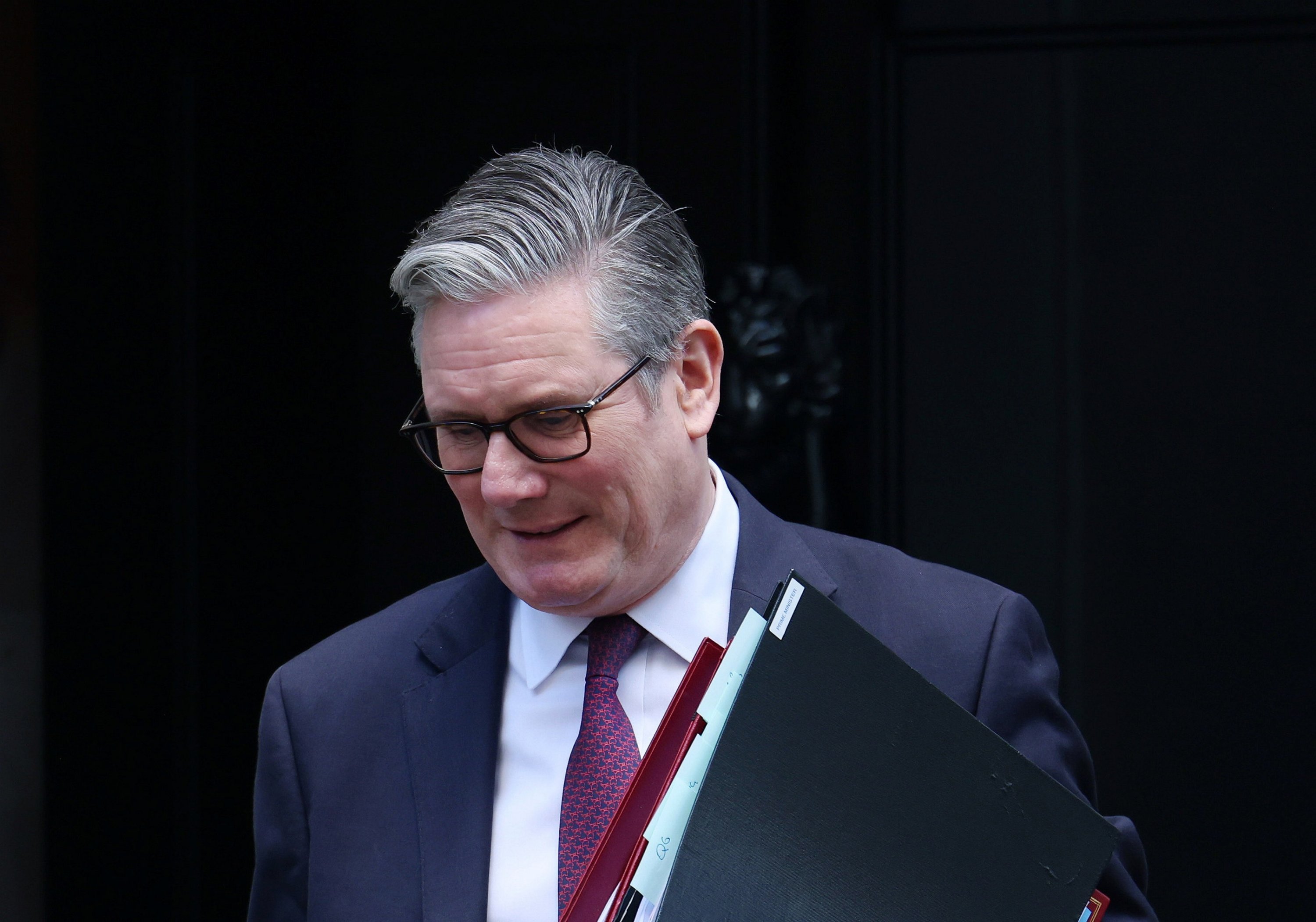
British government bond yields surged early on Monday as investors continued to weigh the political future of Prime Minister Keir Starmer amid the fallout from the Epstein crisis, although they later eased to move more in line with U.S. Treasuries.
Starmer's chief of staff, Morgan McSweeney, quit on Sunday, saying he took responsibility for advising Starmer to appoint Peter Mandelson as ambassador to the U.S. despite his known links to Jeffrey Epstein.
Some in Starmer's Labor Party are openly questioning his judgment and his future, and investors are increasingly bracing for a challenge to his leadership, raising uncertainty over the path of British fiscal policy.
On Monday, Starmer's director of communications, Tim Allan, also resigned.
The 10-year gilt yield rose to a high of 4.554% at 08:21 a.m. GMT, up 4 basis points on the day, before easing to 4.533%, in line with a rise in 10-year U.S. Treasuries. Long-dated gilt yields, most sensitive to worries over the budget outlook, rose by similar amounts.
"The decision by his most senior adviser to fall on his sword may buy Starmer some time, but signs of widespread discontent on the backbench, compounded by diabolically bad poll results, are creating the impression that his days are numbered," said Benjamin Picton, senior market strategist at Rabobank.
On Feb. 5, when there was a previous bout of concerns about Starmer's future, 10-year gilt yields rose to their highest since Nov. 20 at 4.605% before retreating sharply after the Bank of England (BoE) came closer than expected to cutting interest rates in that day's decision.
However, gilt auctions in recent weeks have shown exceptionally strong levels of demand. The sale of a five-year gilt due on Tuesday will provide the next test of investor appetite. Economic growth data on Thursday could also move the market.