Governments should do more to enhance international cooperation in order to accelerate investment in electricity grids and electrification as part of efforts to speed up the global energy transition, according to Ben Backwell, CEO of the Global Wind Energy Council (GWEC).
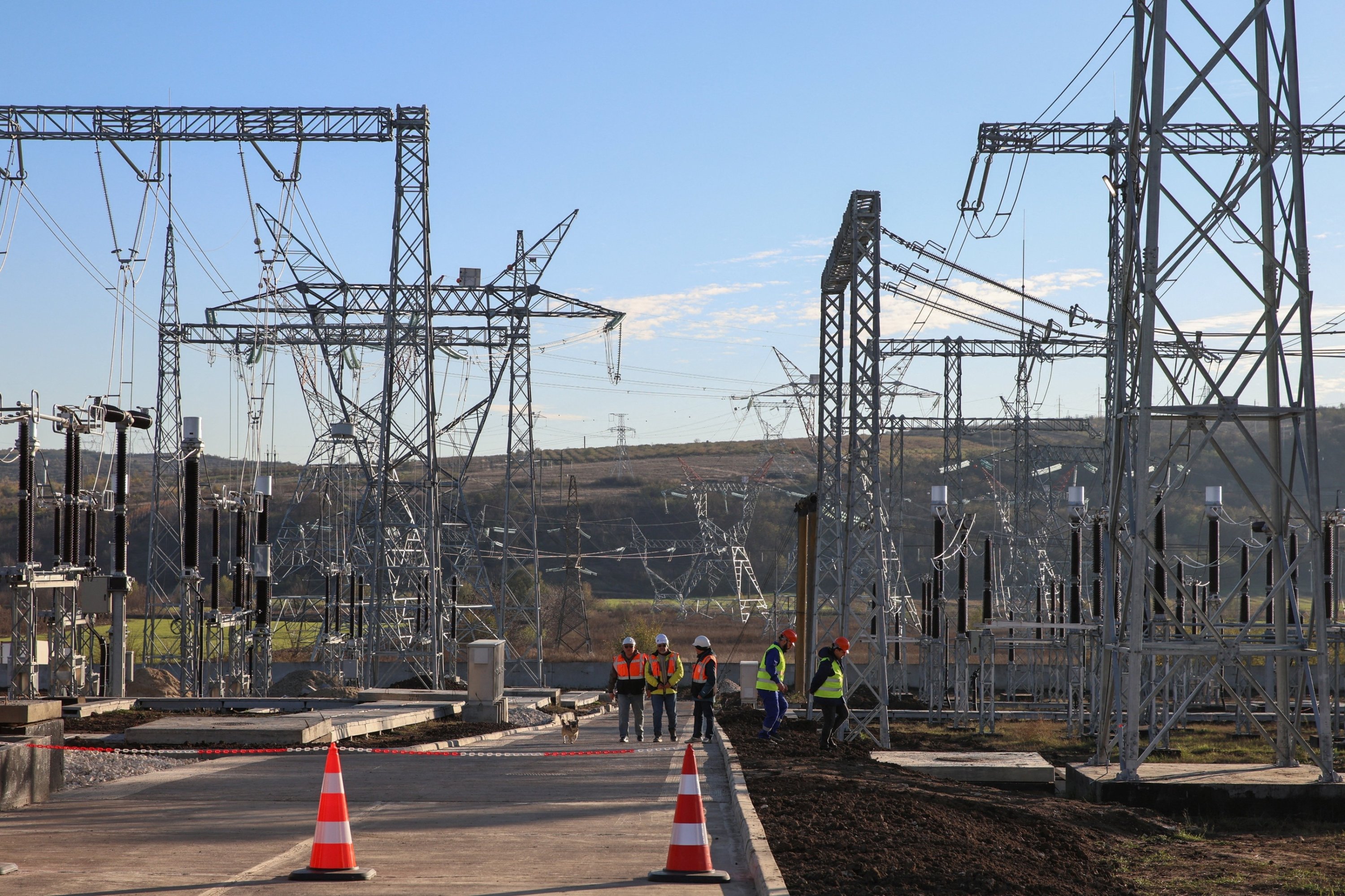
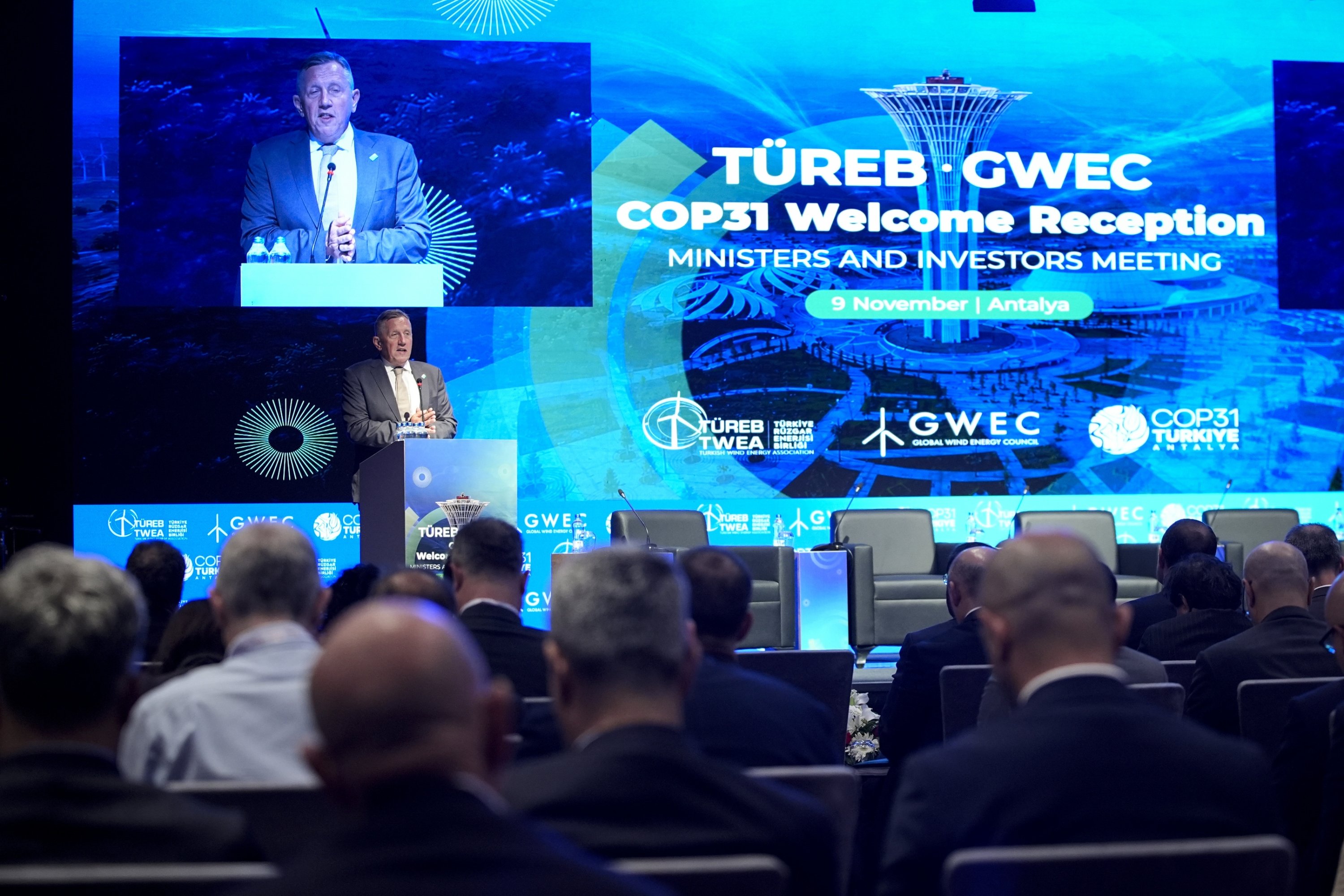
Speaking to Anadolu Agency (AA) on the sidelines of the U.N. climate conference, COP31, in Antalya, Backwell said electrification, transmission infrastructure and power grids were among the key issues that needed to be addressed to accelerate the energy transition.
He stressed the importance of governments working together to speed up grid investments, improve coordination and expand electrification.
"This COP is all about how we implement the energy transition and how we go faster with the deployment of renewables," Backwell said.
Backwell said renewable energy was growing rapidly in electricity generation and had become the dominant source of new electricity capacity. However, electrification across national economies was not progressing at the same pace.
"Much of the economy is still non-electric and also high-carbon. We need to move faster to electrify," he said.
Backwell identified delays in permitting procedures, policy uncertainty and access to financing as major challenges facing the energy transition.
Governments should streamline administrative procedures and establish stable policy frameworks to support renewable energy investments, he said.
Backwell said high interest rates also pose a challenge for renewable energy projects, which require substantial upfront capital expenditure, while their operating costs fall significantly once they begin generating electricity.
He called for coordinated government mechanisms to improve access to competitive financing and support investment in the energy transition.
"We can do that for the energy transition. But it requires coordination, coordinated mechanisms, making sure that we have a competitive environment for financing," he said.
Backwell welcomed Türkiye's announcement ahead of COP31 that it aims to increase its installed wind power capacity to 63 gigawatts by 2040.
He said Türkiye could achieve the target by continuing to strengthen its domestic renewable energy industrial base.
"The target is ambitious, but it's doable," Backwell said, adding that he was confident Türkiye could maintain the momentum needed to meet its renewable energy goals.
He also stressed the importance of setting ambitious targets that go beyond what countries would achieve under existing trends, describing Türkiye's announcement as a strong start to COP31.