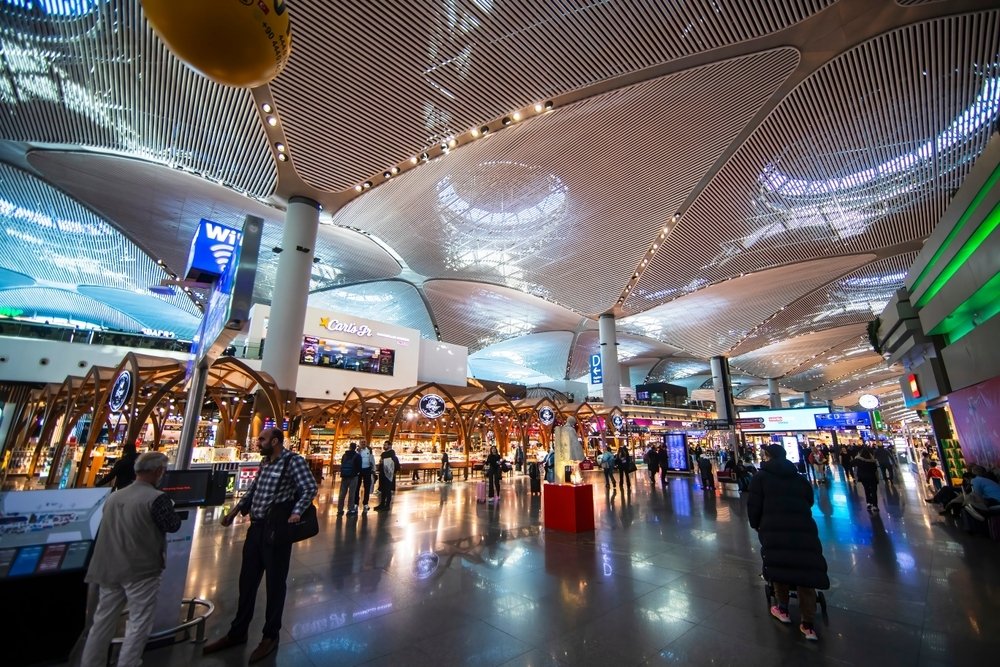
Istanbul Airport overtaking London Heathrow as Europe's busiest airport by passenger numbers has made headlines in recent days.
In July, the Istanbul hub handled 8.15 million passengers, compared with some 7.9 million at Heathrow, marking a symbolic yet notable milestone for an airport that opened less than eight years ago.
In 2025, the airports were neck-to-neck with both serving close to 84.5 million passengers, Heathrow being just slightly ahead, according to aviation data.
But the significance of Istanbul's rise as an aviation hub goes far beyond a single month's traffic figures.
Behind the numbers is a much bigger story about Türkiye's bet on aviation, the rapid expansion of national carrier Turkish Airlines, Istanbul's geographic position between Europe, Asia and Africa and the right timing – which all helped the airport to find its name at the top of the lists.
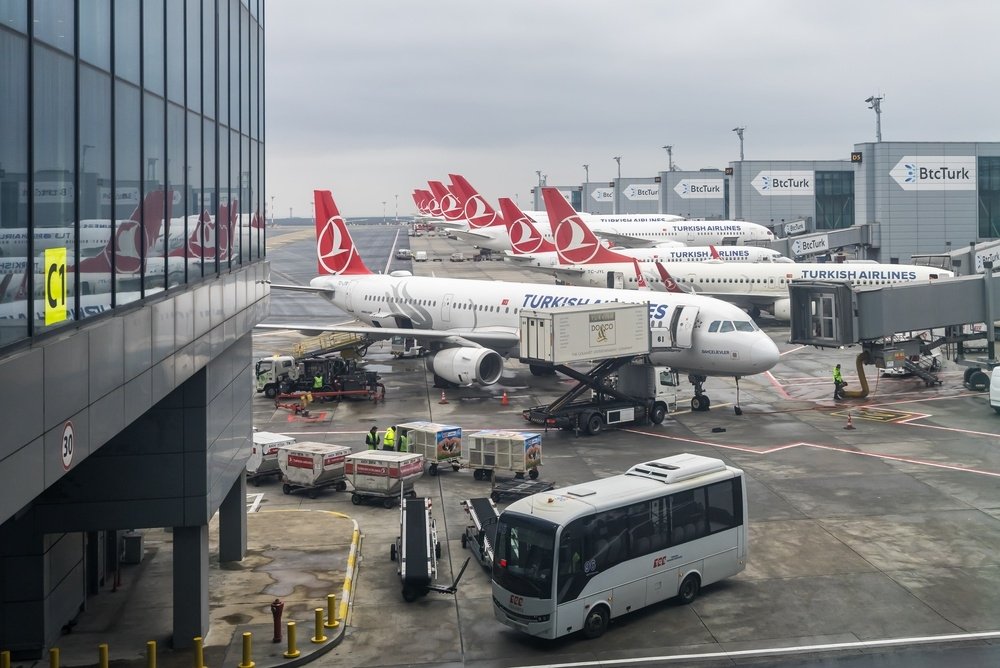
An airport designed from the outset to accommodate growth on a scale few of its European rivals can match, today, Istanbul Airport also carries titles of many firsts. It has become the first airport in Europe to successfully implement the Triple Runway Operations system, allowing three aircraft to land or take off at exactly the same time, significantly cutting taxi times and increasing capacity.
In June this year, its operator also announced that it has become the world's first mega-airport to meet 100% of its electricity needs from solar energy.
It is the airport that bets on continued expansion, although the expansion achieved in less than a decade since opening tells the story of Istanbul already being a center of European and global aviation. But how did the airport do it?
Istanbul Airport did not inherit the position at the center of European aviation. It was built for it.
The authorities, seeing a wider potential for Istanbul – a home of some 16 million and the country's commercial and cultural hub – to turn into a global aviation giant, decided to build an airport on the outskirts of the city, at its Black Sea coast.
Opened officially with a grand ceremony on Oct. 29, 2018, on the 95th anniversary of the Republic of Türkiye, the airport saw a full transition of all passenger flight operations from Atatürk Airport within months. It has grown rapidly into a primary global megahub, consistently breaking operational records and introducing global aviation firsts.
As a cargo hub, it expanded equally fast. Its logistics operations grew with passenger numbers, with the airport now being the busiest cargo airport in Europe.
Figures from Airports Council International (ACI) Europe show that the Turkish airport saw its cargo volumes increase 10.8% year-over-year to just over 1 million tons in the first half of 2026, after picking up extra volumes as a result of the U.S.-Iran war.
Thus, the airport left behind Frankfurt Airport, which has in recent years been the busiest cargo airport on the continent.
Metro connectivity has also helped the case. The easier mass transit access has significantly improved with the establishment and completion of the M11 Istanbul Metro line, linking the terminal directly to the city center.
At the same time, figures and planned expansion projects suggest that the Turkish hub could, in the long term, challenge London Heathrow's position as the dominant airport, particularly with the planned introduction of a fourth runway.
Turkish officials and executives have announced the plans for the fourth runway to be opened by the end of the year. They see this move as the one that stands to further boost the airport's operational capabilities and high capacity.
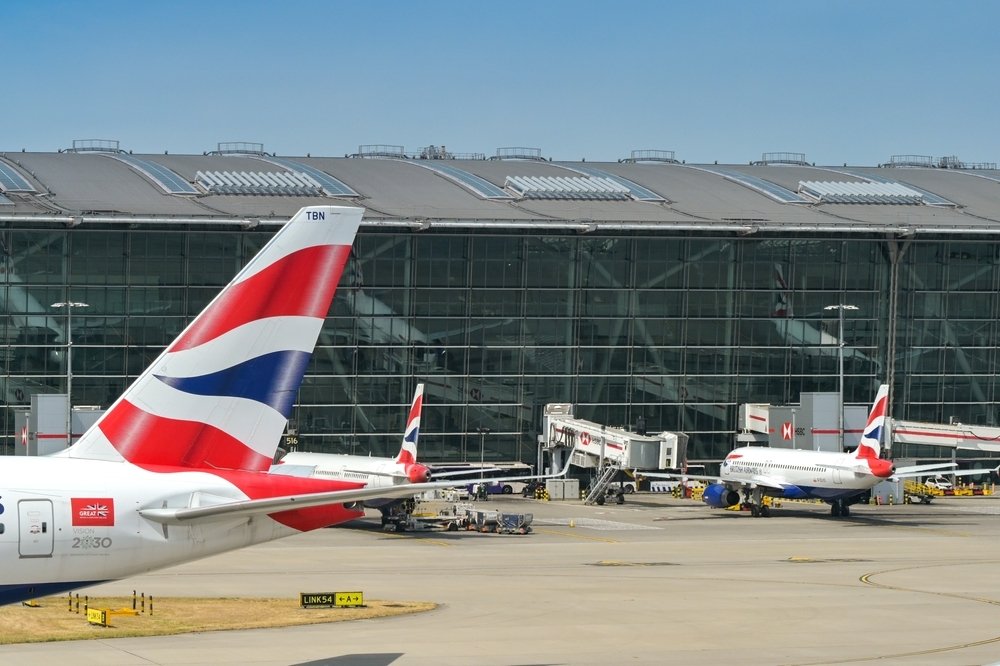
On the other hand, Heathrow, the U.K.'s largest airport, has, for long, faced delays and constraints regarding the plans for the third runway, despite recent political will to kick off the project.
Moreover, the Iran war and the pressures the Gulf carriers faced due to the closure of airspace in much of the region early into the conflict have weighed on their performance, while boosting the appeal of Istanbul and Turkish Airlines.
"The effects of the war cannot be denied, but on the other hand, we see that this period has emphasized the perception of 'safe harbor' for both IGA Istanbul Airport and Türkiye in the region," IGA Istanbul Airport CEO Selahattin Bilgen told an interview earlier this year.
In line with this, while it is possible to say that Türkiye's largest city and the namesake airport are standing strong at the forefront, another dominant force that has led the expansion is the flag carrier, Turkish Airlines.
Turkish Airlines flies to the most countries in the world via its vast network, connecting the cities in the regions from North America, Australia, to the remote parts of Africa.
And with Istanbul Airport being its main hub and home, it has invested heavily in the complex and the facilities, including in areas such as engine maintenance, air cargo, catering, and others.
Another area, from which Istanbul's new airport benefits the most, is undoubtedly the geographical location.
Istanbul has history, culture and newly-built infrastructure that allows it to compete with European metropolises, such as London, Paris and Amsterdam, which have for decades commanded the European network.
Turkish officials also tout the fact that the country is within a four-hour flight of a population of roughly 1.5 billion people across 67 countries.
All that leads Istanbul Airport to strive for much higher figures than the current ones: having up to 200 million annual passengers through final expansions.