Daily Sabah logo

Politics
Diplomacy Legislation War On Terror EU Affairs Elections News Analysis
TÜRKİYE
Istanbul Education Investigations Minorities Expat Corner Diaspora
World
Mid-East Europe Americas Asia Pacific Africa Syrian Crisis Islamophobia
Business
Automotive Economy Energy Finance Tourism Tech Defense Transportation News Analysis
Lifestyle
Health Environment Travel Food Fashion Science Religion History Feature Expat Corner
Arts
Cinema Music Events Portrait Reviews Performing Arts
Sports
Football Basketball Motorsports Tennis
Opinion
Columns Op-Ed Reader's Corner Editorial
PHOTO GALLERY
JOBS ABOUT US RSS PRIVACY CONTACT US
© Turkuvaz Haberleşme ve Yayıncılık 2025

Daily Sabah - Latest & Breaking News from Turkey | Istanbul

  • Politics
    • Diplomacy
    • Legislation
    • War On Terror
    • EU Affairs
    • Elections
    • News Analysis
  • TÜRKİYE
    • Istanbul
    • Education
    • Investigations
    • Minorities
    • Expat Corner
    • Diaspora
  • World
    • Mid-East
    • Europe
    • Americas
    • Asia Pacific
    • Africa
    • Syrian Crisis
    • Islamophobia
  • Business
    • Automotive
    • Economy
    • Energy
    • Finance
    • Tourism
    • Tech
    • Defense
    • Transportation
    • News Analysis
  • Lifestyle
    • Health
    • Environment
    • Travel
    • Food
    • Fashion
    • Science
    • Religion
    • History
    • Feature
    • Expat Corner
  • Arts
    • Cinema
    • Music
    • Events
    • Portrait
    • Reviews
    • Performing Arts
  • Sports
    • Football
    • Basketball
    • Motorsports
    • Tennis
  • Gallery
  • Opinion
    • Columns
    • Op-Ed
    • Reader's Corner
    • Editorial
  • TV
  • Life
  • Health
  • Environment
  • Travel
  • Food
  • Fashion
  • Science
  • Religion
  • History
  • Feature
  • Expat Corner

Google uses time lapse to show effects of climate change on Earth

by Associated Press

CALIFORNIA Apr 15, 2021 - 4:25 pm GMT+3
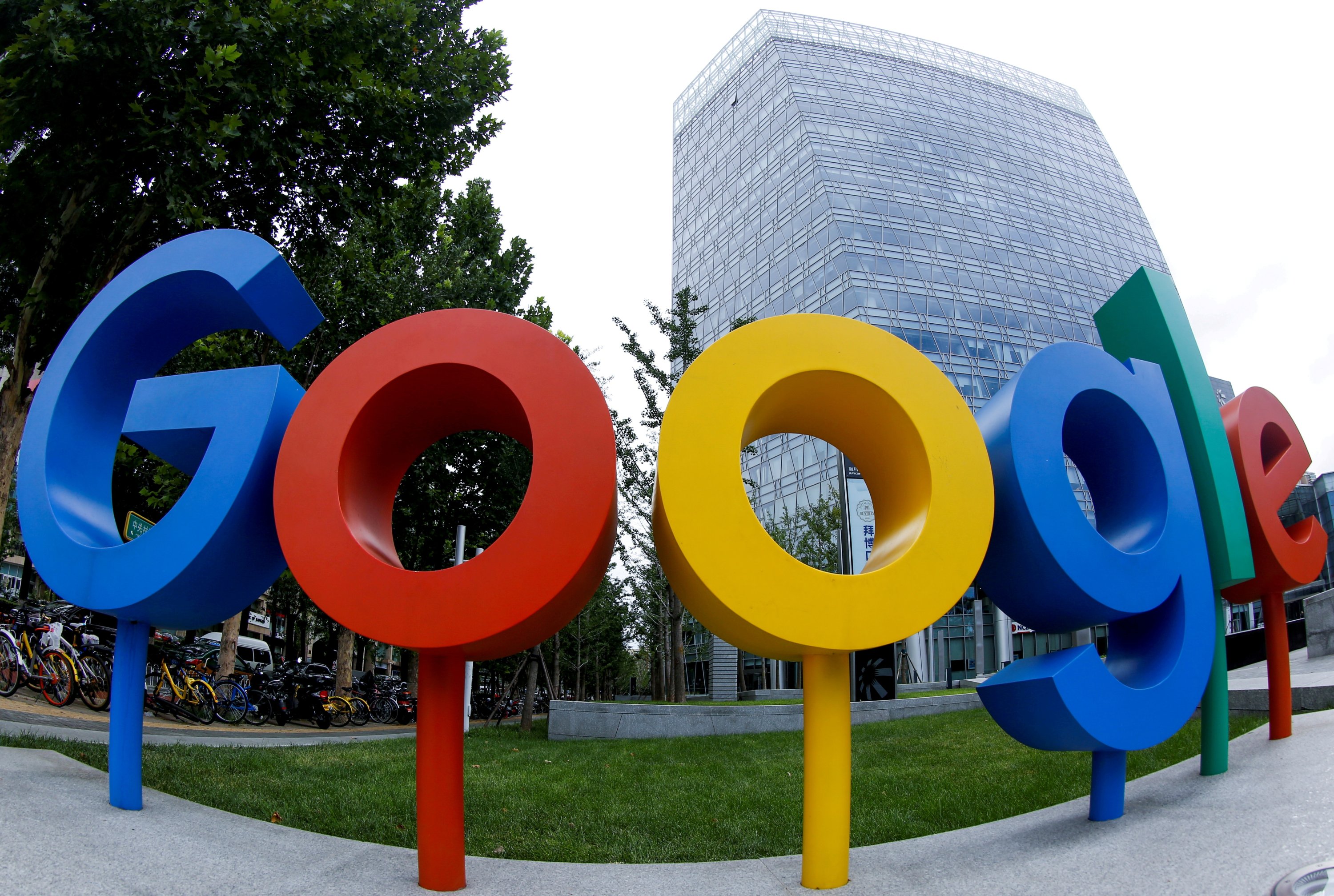
The brand logo of Alphabet Inc's Google is seen outside its office in Beijing, China, Aug. 8, 2018. (Reuters Photo)
by Associated Press Apr 15, 2021 4:25 pm

Google on Thursday unveiled a new tool for its Google Earth app that draws upon nearly four decades of satellite imagery to vividly illustrate and make visible how climate change has affected glaciers, beaches, forests and other places around the world.

Google says it undertook the complex project in partnership with several government agencies, including NASA in the U.S. and its European counterpart, in hopes that it will help a mass audience grasp the sometimes abstract concept of climate change in more tangible terms through its free Earth app.

Cornell University climate scientist Natalie Mahowald believes that mission may be accomplished. "This is amazing," she told The Associated Press (AP) after watching a preview of the new feature.

"Trying to get people to understand the scope of the climate change and the land use problem is so difficult because of the long time and spatial scales. I would not be surprised if this one bit of software changes many people’s minds about the scale of the impact of humans on the environment."

This isn't the first time time-lapse satellite imagery has been used to demonstrate how parts of the world are changing before our eyes due to a changing climate. Most scientists agree that climate change is being driven by pollution primarily produced by humans.

However, earlier images have mostly focused on melting glaciers and haven't been widely available on an already popular app like Google Earth, which can be downloaded on most of the more than 3 billion smartphones now in use around the world Google is promising that people will be able to see a time-lapse presentation of just about anywhere they want to search.

The feature also includes a storytelling mode highlighting 800 different places on the planet in both 2D and 3D formats. Those videos also will be available on Google's YouTube video site, a service more widely used than the Earth app.

The feature was created from 24 million satellite images taken every year from 1984 to 2020 and provided by NASA, the U.S. Geological Survey and the European Union, according to Google.

The time-lapse technology was created with the help of Carnegie Mellon University. Google plans to update the time-lapse imagery at least once a year.

The tool unveiled Thursday is rolling out in what is being billed as the biggest update to Google Earth in five years.


  • shortlink copied
  • Last Update: Apr 16, 2021 10:59 am
    KEYWORDS
    environment climate change global warming google nasa glaciers google earth
    The Daily Sabah Newsletter
    Keep up to date with what’s happening in Turkey, it’s region and the world.
    You can unsubscribe at any time. By signing up you are agreeing to our Terms of Use and Privacy Policy. This site is protected by reCAPTCHA and the Google Privacy Policy and Terms of Service apply.
    No Image
    Thanksgiving Day Parade takes flight amid pandemic
    PHOTOGALLERY
    • POLITICS
    • Diplomacy
    • Legislation
    • War On Terror
    • EU Affairs
    • News Analysis
    • TÜRKİYE
    • Istanbul
    • Education
    • Investigations
    • Minorities
    • Diaspora
    • World
    • Mid-East
    • Europe
    • Americas
    • Asia Pacific
    • Africa
    • Syrian Crisis
    • İslamophobia
    • Business
    • Automotive
    • Economy
    • Energy
    • Finance
    • Tourism
    • Tech
    • Defense
    • Transportation
    • News Analysis
    • Lifestyle
    • Health
    • Environment
    • Travel
    • Food
    • Fashion
    • Science
    • Religion
    • History
    • Feature
    • Expat Corner
    • Arts
    • Cinema
    • Music
    • Events
    • Portrait
    • Performing Arts
    • Reviews
    • Sports
    • Football
    • Basketball
    • Motorsports
    • Tennis
    • Opinion
    • Columns
    • Op-Ed
    • Reader's Corner
    • Editorial
    • Photo gallery
    • DS TV
    • Jobs
    • privacy
    • about us
    • contact us
    • RSS
    © Turkuvaz Haberleşme ve Yayıncılık 2021