Daily Sabah logo

Politics
Diplomacy Legislation War On Terror EU Affairs Elections News Analysis
TÜRKİYE
Istanbul Education Investigations Minorities Expat Corner Diaspora
World
Mid-East Europe Americas Asia Pacific Africa Syrian Crisis Islamophobia
Business
Automotive Economy Energy Finance Tourism Tech Defense Transportation News Analysis
Lifestyle
Health Environment Travel Food Fashion Science Religion History Feature Expat Corner
Arts
Cinema Music Events Portrait Reviews Performing Arts
Sports
Football Basketball Motorsports Tennis
Opinion
Columns Op-Ed Reader's Corner Editorial
PHOTO GALLERY
JOBS ABOUT US RSS PRIVACY CONTACT US
© Turkuvaz Haberleşme ve Yayıncılık 2026

Daily Sabah - Latest & Breaking News from Turkey | Istanbul

  • Politics
    • Diplomacy
    • Legislation
    • War On Terror
    • EU Affairs
    • Elections
    • News Analysis
  • TÜRKİYE
    • Istanbul
    • Education
    • Investigations
    • Minorities
    • Expat Corner
    • Diaspora
  • World
    • Mid-East
    • Europe
    • Americas
    • Asia Pacific
    • Africa
    • Syrian Crisis
    • Islamophobia
  • Business
    • Automotive
    • Economy
    • Energy
    • Finance
    • Tourism
    • Tech
    • Defense
    • Transportation
    • News Analysis
  • Lifestyle
    • Health
    • Environment
    • Travel
    • Food
    • Fashion
    • Science
    • Religion
    • History
    • Feature
    • Expat Corner
  • Arts
    • Cinema
    • Music
    • Events
    • Portrait
    • Reviews
    • Performing Arts
  • Sports
    • Football
    • Basketball
    • Motorsports
    • Tennis
  • Gallery
  • Opinion
    • Columns
    • Op-Ed
    • Reader's Corner
    • Editorial
  • TV
  • Life
  • Health
  • Environment
  • Travel
  • Food
  • Fashion
  • Science
  • Religion
  • History
  • Feature
  • Expat Corner

Climate change puts South Korea's kimchi culture at risk

by Reuters

GANGNEUNG, South Korea Sep 03, 2024 - 10:37 am GMT+3
Edited By Ayşe Sena Aykın
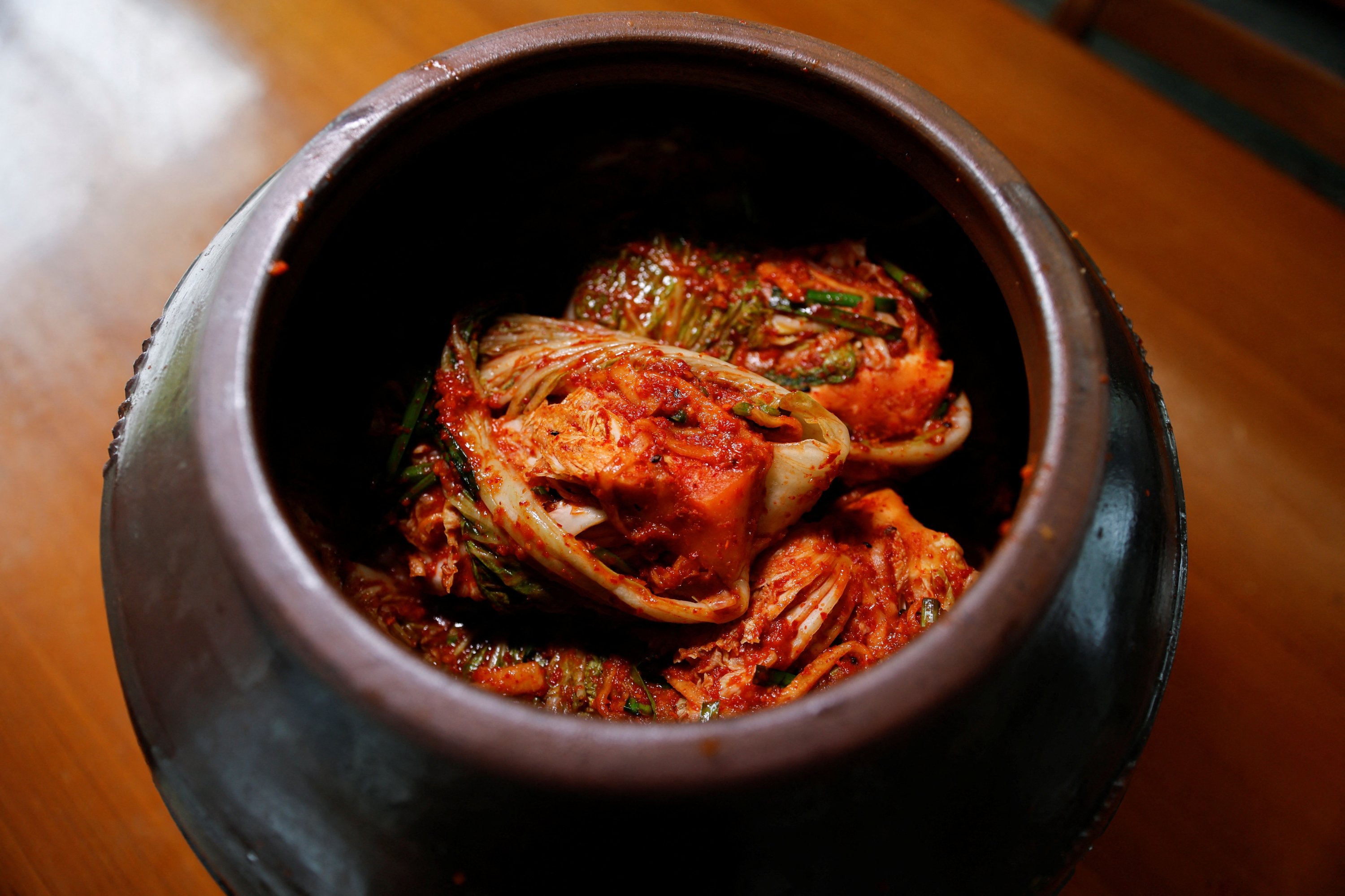
Kimchi in a jar at the Kimchi Culture Institute in Namyangju, South Korea, Aug. 21, 2024. (Reuters Photo)
by Reuters Sep 03, 2024 10:37 am
Edited By Ayşe Sena Aykın

South Korea's famous kimchi is falling victim to climate change, with scientists, farmers and manufacturers saying that the quality and quantity of the napa cabbage that is pickled to make the ubiquitous dish is suffering due to rising temperatures.

Napa cabbage thrives in cooler climates and is usually planted in mountainous regions where temperatures during the key growing summer season once rarely rose above 25 degrees Celsius (77 degrees Fahrenheit).

Studies show that warmer weather brought about by climate change is now threatening these crops, so much so that South Korea might not be able to grow napa cabbage one day due to the intensifying heat.
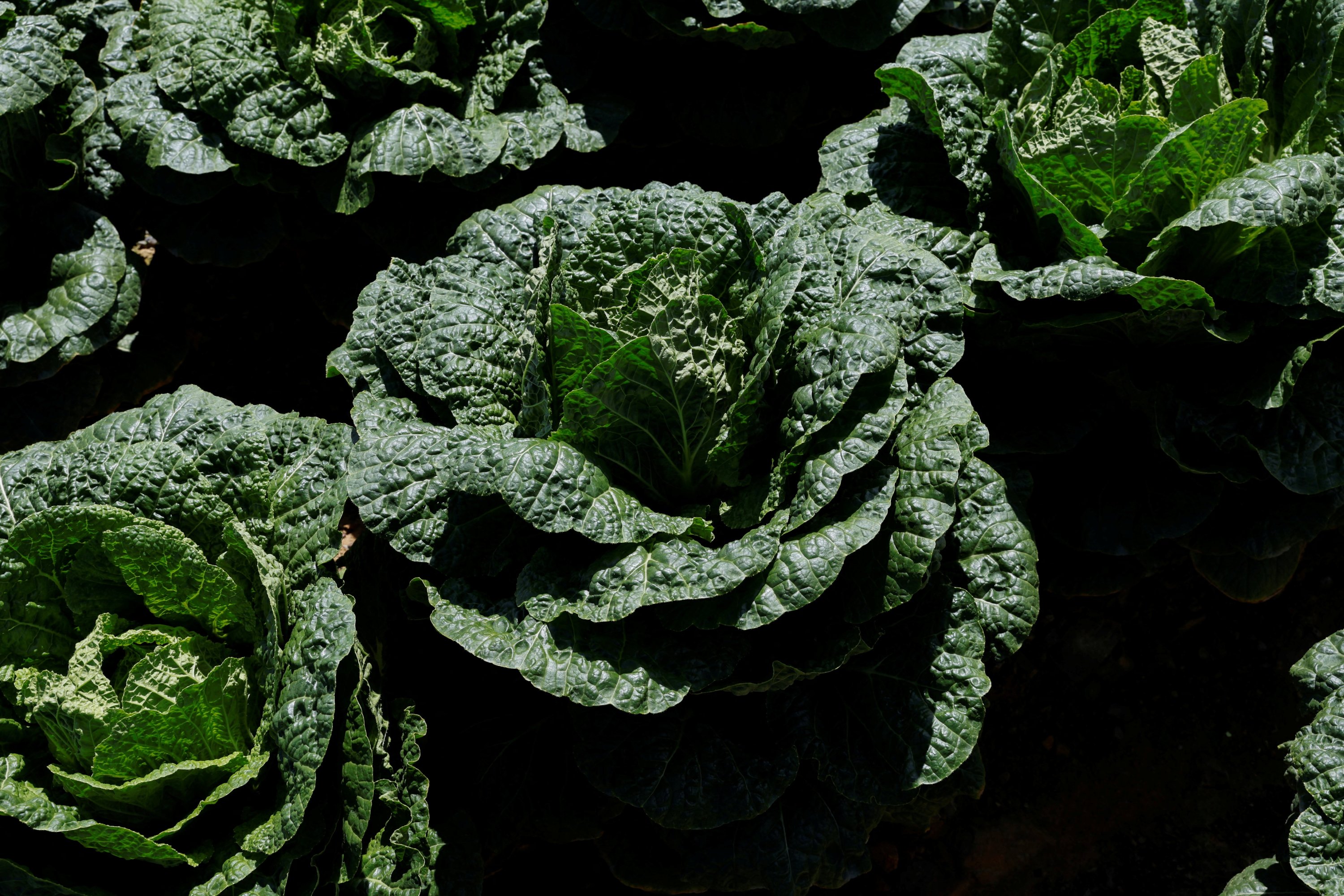
Kimchi cabbages are seen at the Anbandeogi village's kimchi cabbages field in Gangneung, South Korea, Aug. 22, 2024. (Reuters Photo)

"We hope these predictions don’t come to pass," plant pathologist and virologist Lee Young-gyu said.

"Cabbage likes to grow in cool climates and adapts to a very narrow band of temperatures," Lee said. "The optimal temperatures are between 18 and 21 (degrees) Celsius."

In the fields and kitchens – both commercial and domestic – farmers and kimchi makers are already feeling the change.

Spicy, fermented kimchi is made from other vegetables such as radish, cucumber and green onion, but the most popular dish remains cabbage-based.

Describing the effect of higher temperatures on the vegetable, Lee Ha-yeon, who holds the designation of "Kimchi Master" from the Agriculture Ministry, said the heart of the cabbage "goes bad and the root becomes mushy."

"If this continues, then in the summer, we might have to give up cabbage kimchi," said Lee, whose title reflects her contribution to food culture.

Data from the government statistics agency shows the area of highland cabbage farmed last year was less than half of what it was 20 years ago: 3,995 hectares compared to 8,796 hectares.

According to the Rural Development Administration, a state farming think tank, climate change scenarios project the farmed area to shrink dramatically in the next 25 years to just 44 hectares, with no cabbage grown in the highlands by 2090.

Researchers cite higher temperatures, unpredictable heavy rains, and pests that become more difficult to control in the warmer and longer summers as the cause of crop shrinkage.

A fungal infection that wilts the plant has also been particularly troublesome for farmers because it only becomes apparent very close to harvest.

Climate change adds to the challenges facing South Korea's kimchi industry, which is already battling lower-priced imports from China, which are mostly served in restaurants.

Customs data released on Monday showed kimchi imports through the end of July was up 6.9% at $98.5 million this year, almost all of it from China and the highest ever for the period.

So far, the government has relied on massive climate-controlled storage to prevent price spikes and shortages. Scientists are also racing to develop crop varieties that can grow in warmer climates and that are more resilient to large fluctuations in rainfall and infections.

But farmers like Kim Si-gap, 71, who has worked in the cabbage fields of the eastern region of Gangneung all his life, fear these varieties will be more expensive to grow in addition to not tasting quite right.

"When we see the reports that there will come a time in Korea when we can no longer grow cabbage, it was shocking on the one hand and also sad at the same time," Kim said.

"Kimchi is something we can not have on the table. What are we going to do if this happens?"

  • shortlink copied
  • KEYWORDS
    kimchi south korea traditional dish climate change cabbage climate crisis rising temperatures heatwave plant pathologist virologist farmers agriculture ministry heavy rains
    The Daily Sabah Newsletter
    Keep up to date with what’s happening in Turkey, it’s region and the world.
    You can unsubscribe at any time. By signing up you are agreeing to our Terms of Use and Privacy Policy. This site is protected by reCAPTCHA and the Google Privacy Policy and Terms of Service apply.
    No Image
    Aurora borealis: Northern lights grace the skies
    PHOTOGALLERY
    • POLITICS
    • Diplomacy
    • Legislation
    • War On Terror
    • EU Affairs
    • News Analysis
    • TÜRKİYE
    • Istanbul
    • Education
    • Investigations
    • Minorities
    • Diaspora
    • World
    • Mid-East
    • Europe
    • Americas
    • Asia Pacific
    • Africa
    • Syrian Crisis
    • İslamophobia
    • Business
    • Automotive
    • Economy
    • Energy
    • Finance
    • Tourism
    • Tech
    • Defense
    • Transportation
    • News Analysis
    • Lifestyle
    • Health
    • Environment
    • Travel
    • Food
    • Fashion
    • Science
    • Religion
    • History
    • Feature
    • Expat Corner
    • Arts
    • Cinema
    • Music
    • Events
    • Portrait
    • Performing Arts
    • Reviews
    • Sports
    • Football
    • Basketball
    • Motorsports
    • Tennis
    • Opinion
    • Columns
    • Op-Ed
    • Reader's Corner
    • Editorial
    • Photo gallery
    • DS TV
    • Jobs
    • privacy
    • about us
    • contact us
    • RSS
    © Turkuvaz Haberleşme ve Yayıncılık 2021