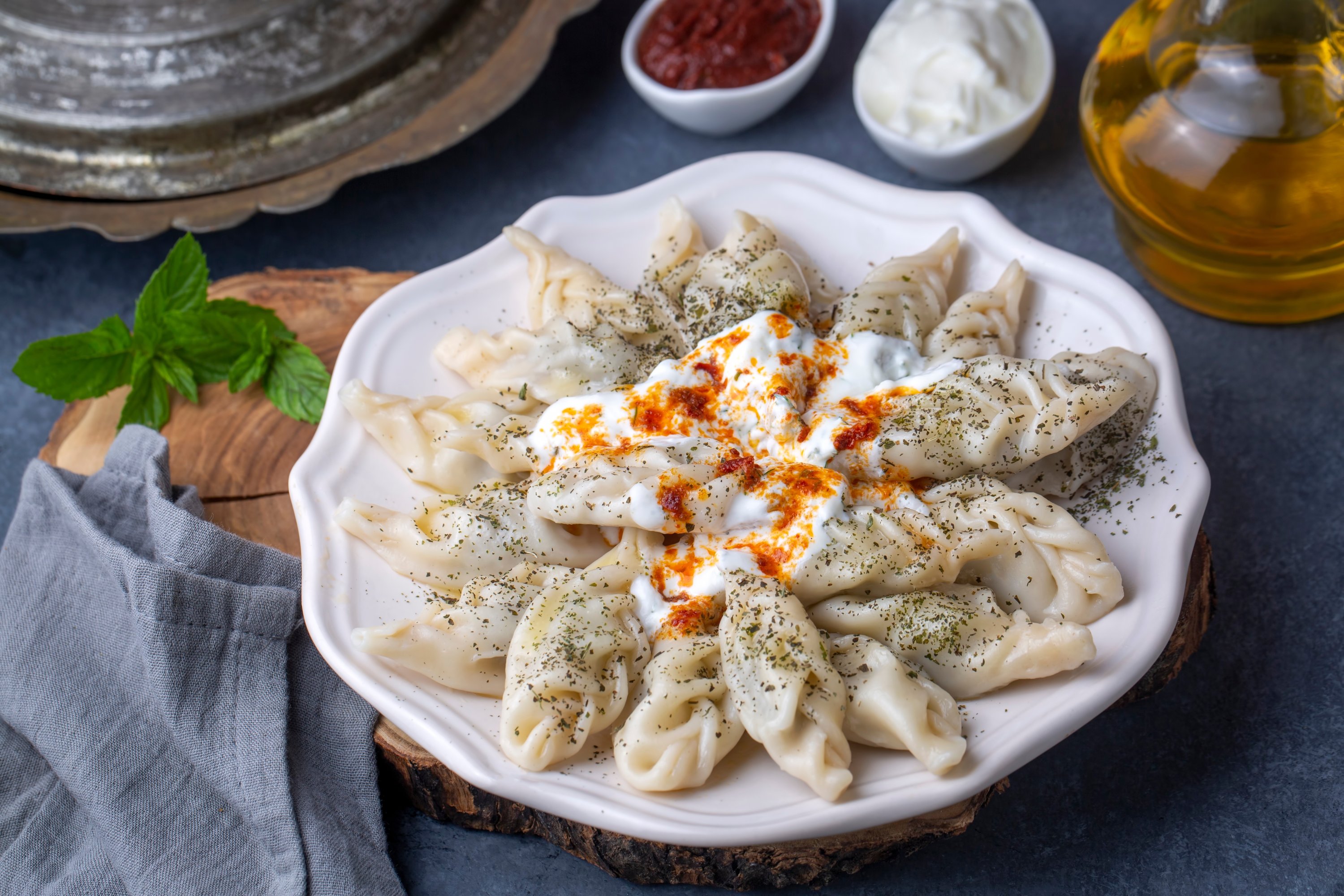
Hingel, a cherished dish with roots stretching from the Caucasus to Anatolia, continues to be prepared in homes using traditional methods.
A variation of the mantı tradition brought from the Caucasus, hingel is particularly popular in the Turkish provinces of Sivas, Erzurum, Kars and Çorum, where it is still made and enjoyed at home. Across different regions, it is also known as “hengel,” “hangel” or “hıngel.”
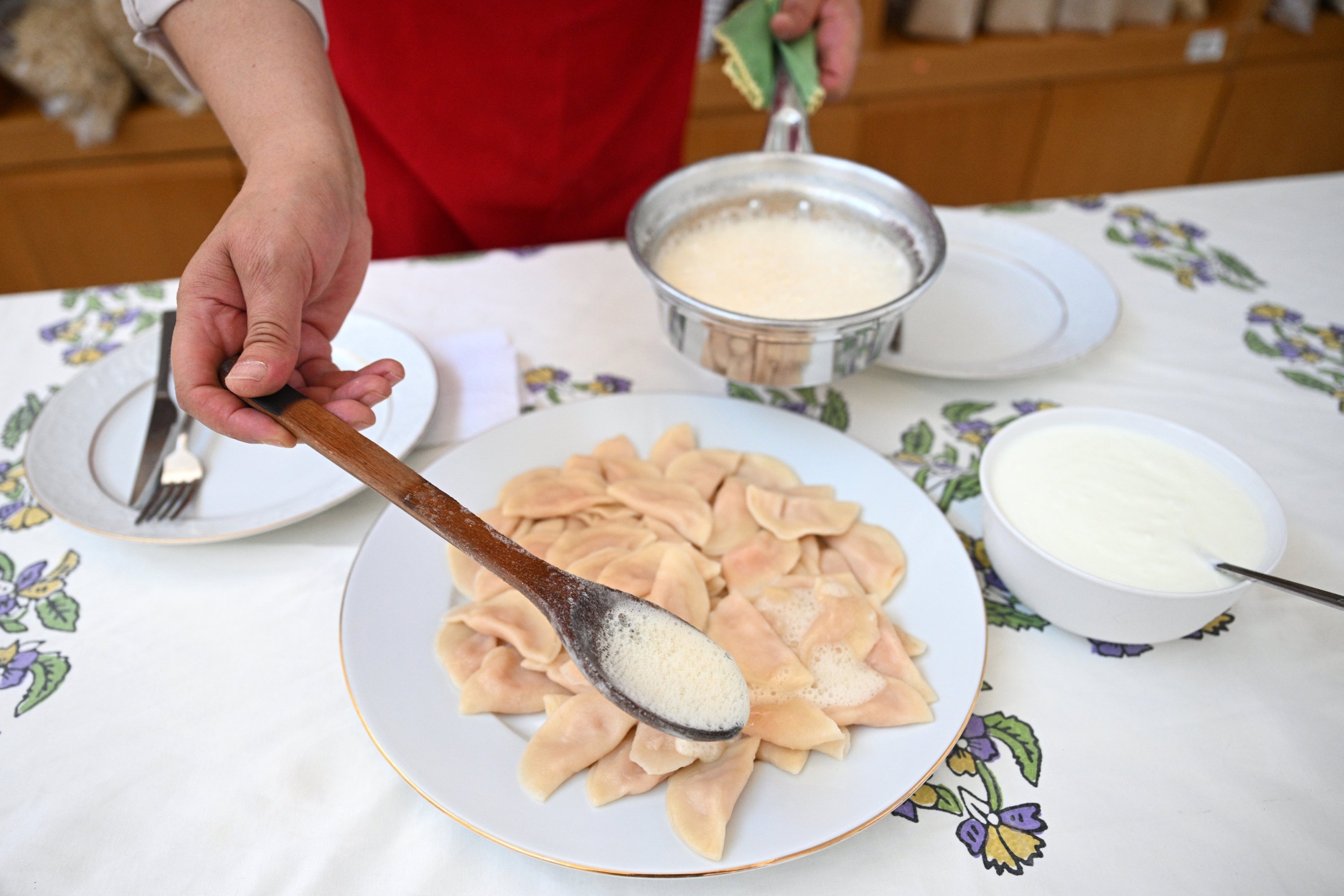
Unlike other types of mantı, hingel is prepared in larger portions, typically folded into triangular, square or half-moon shapes. The filling usually consists of potatoes, onions and spices. After boiling, the dumplings are served with melted butter poured on top.
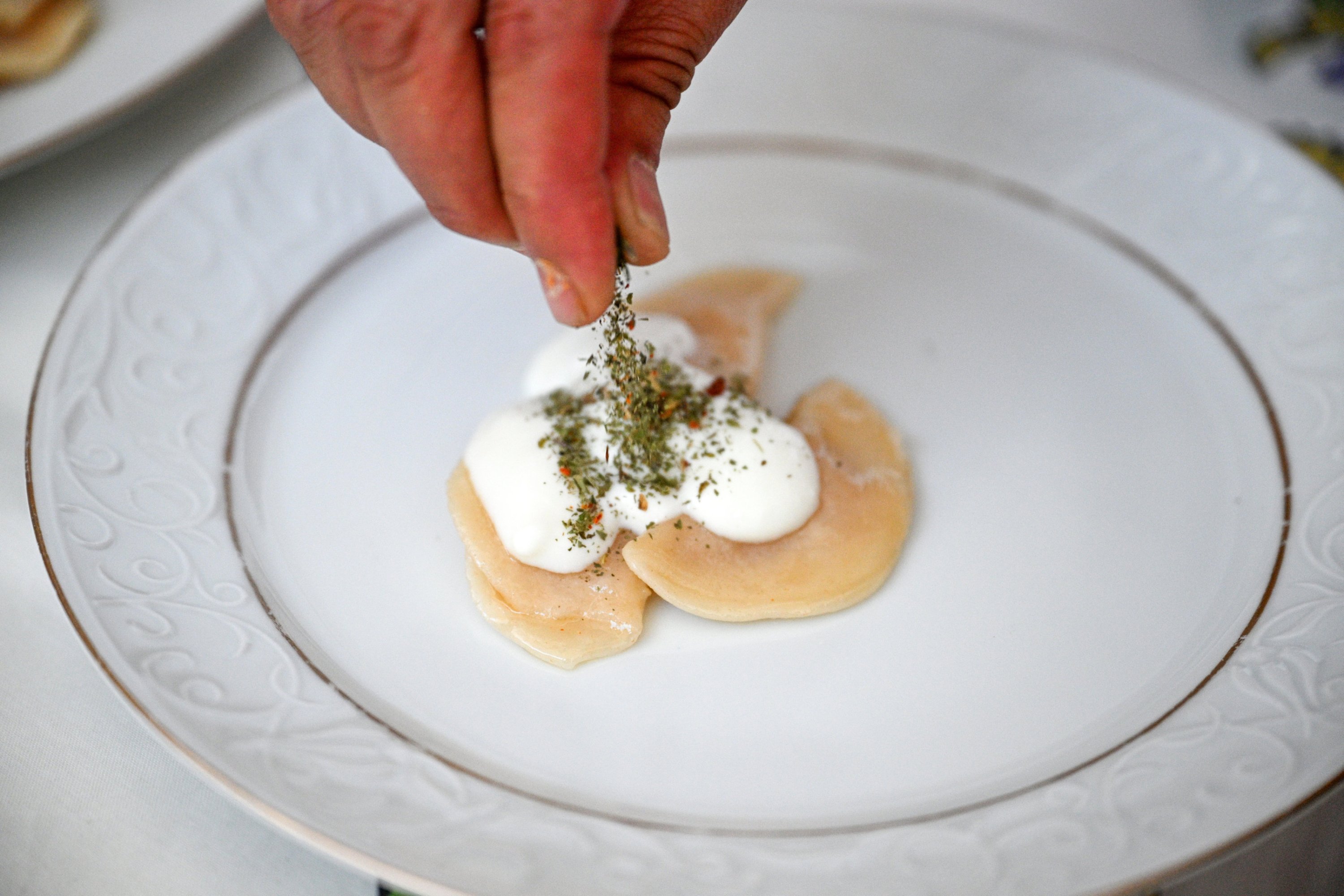
In local communities, hingel is a staple at weddings, holiday gatherings, and special occasions, often prepared for large family meals. The dish is commonly made collectively, a practice that fosters cultural solidarity and helps preserve traditional culinary heritage.
Semra Temurbaş Mavibulut, chef and president of the Sivas Women’s Cooperative, explained that Sivas has preserved much of its ancestral cultural heritage, including its rich culinary traditions. She noted that hingel is especially favored during special events but can be enjoyed at any time of the day.
Ingredients
For the dough
For the filling
For the sauce
Optional garnish
Preparation