We have reached the middle of Ramadan. However, the answer to the question, "What has Ramadan brought us?" remains unclear for many of us.
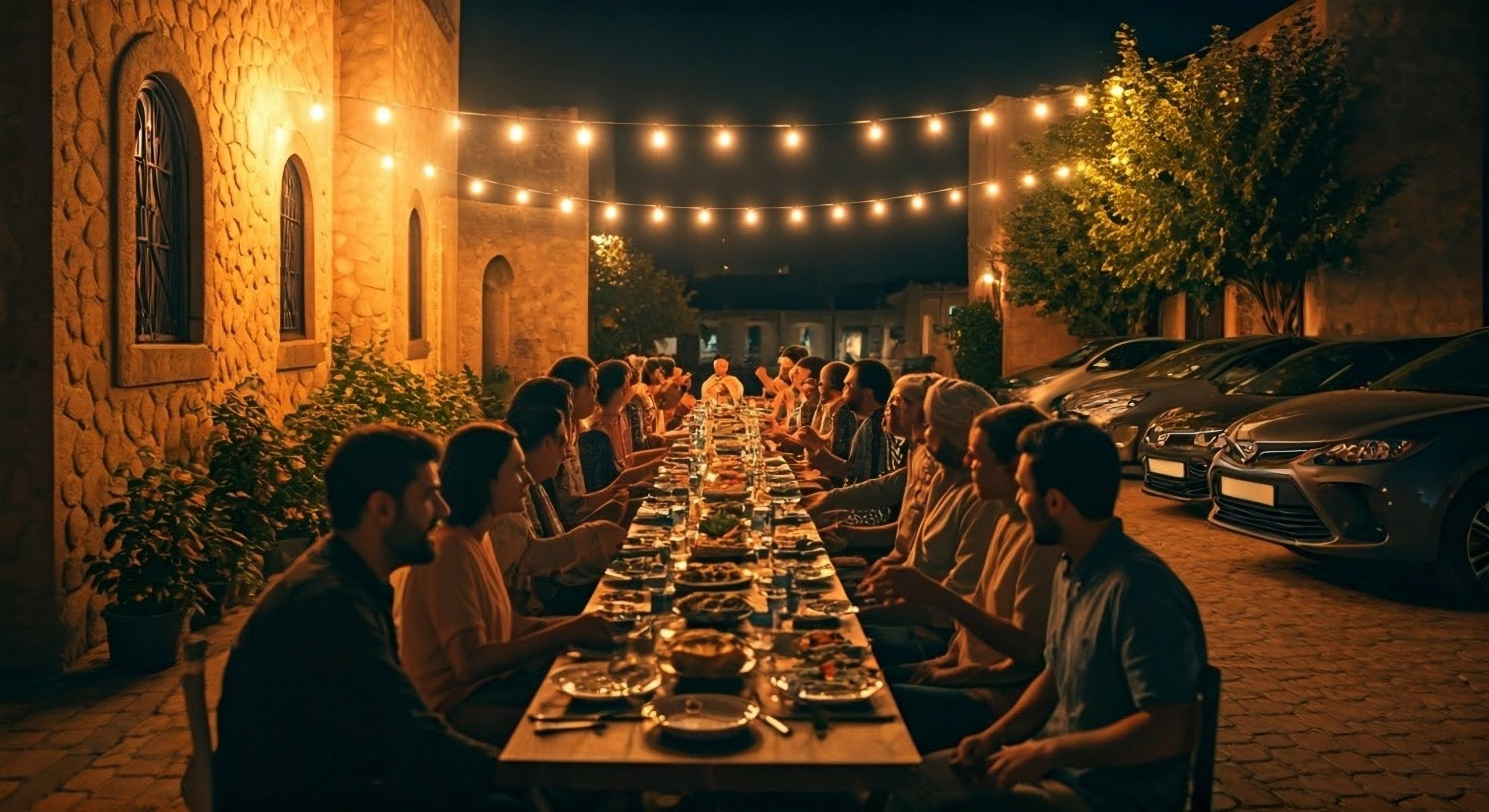
Ramadan is not just a month of individual worship; it is a time when social bonds are strengthened and brotherhood is remembered. Millions of people living in the same city, the same neighbourhood or even in different parts of the world fasting at the same time, breaking their fast at the same time and turning to the same prayer creates a powerful sense of unity. The appetite, disciplined by hunger and thirst throughout the day, approaches not only the table but also people with the evening call to prayer.
Knocking on doors in the neighborhood to offer a plate of food, inviting an elderly neighbour who lives alone to break the fast, or students gathering to set a modest table, these are acts that may seem small but enhance brotherhood. At the long iftar tables set up by municipalities, people from different social circles sit side by side. At that table, titles, income differences and statuses fade away. Everyone is part of the same anticipation, the same gratitude and the same prayer. Ramadan is a month that equalizes people and brings them together in a shared consciousness.
This month also deepens empathy. Hunger makes it easier to understand poverty; thirst teaches the value of a sip of water. Young people volunteering in aid campaigns and families reaching out to those in need through zakat and fitra donations do not merely provide material support; they strengthen social solidarity. A box of food supplies brings hope not only to a kitchen but also to a heart.
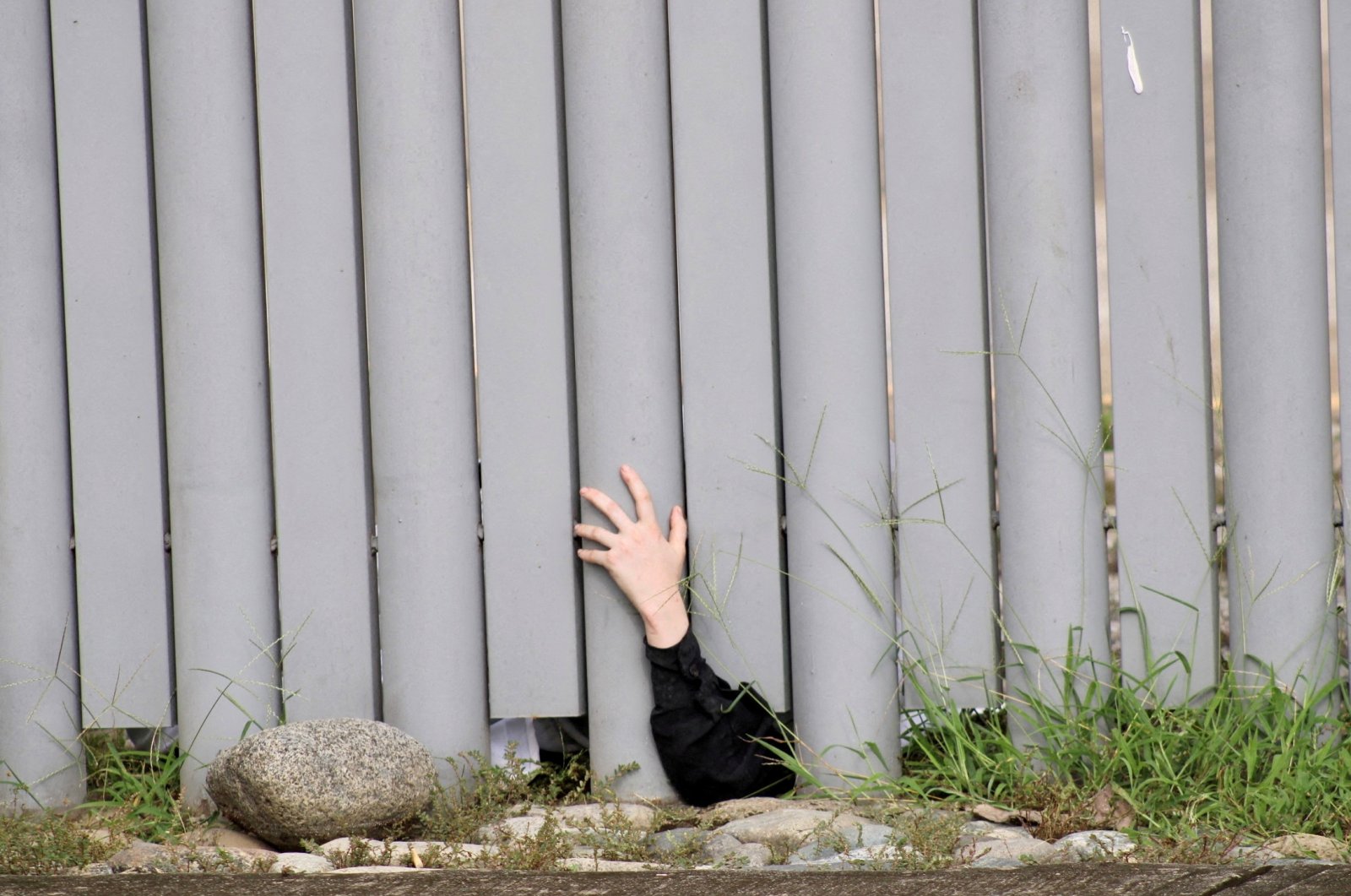
Unfortunately, however, the peaceful atmosphere that Ramadan brings is not felt in the same way everywhere in the world. In some parts of the world, people wake up to the sound of sirens rather than iftar tables. Children start their day not for sahur but in the shadow of conflict. In places where wars, occupations and conflicts rage, the peace of Ramadan is wounded. While some people look at the same crescent moon worship in safety, others struggle to meet even their basic needs. This picture makes the ideal of brotherhood at the heart of Ramadan even more meaningful. Ramadan is a month that reminds us of the value of peace. A person who restrains themselves throughout the day learns to restrain their tongue and anger.
Fasting is not just physical patience; it is also training to stay away from violence, hurtful words and hostility. If we can show this patience on an individual level, we can also make peace possible on a societal level. The spirit of Ramadan fosters reconciliation, not conflict, and compassion, not hatred.
Today, wars raging in many parts of the world affect the lives of millions of people. Families are forced to leave their homes, mothers are unable to provide a safe table, and children's hopes for the future have been shattered. Ramadan is not a month to ignore this suffering. On the contrary, it is a time to face these realities during a period when the heart is more sensitive, and to contribute through prayer, aid and awareness because brotherhood means reaching out not only to those close to us, but also to those far away.
While emphasising the importance of brotherhood during Ramadan, we are also faced with small but destructive conflicts in daily life. Increasingly angry language on social media, intolerance of different opinions and social polarization. Yet this month is precisely an opportunity to reduce these tensions. Backing down in an argument, ending a grudge, or approaching a different opinion with respect are small but effective steps toward peace.
Ultimately, the month of Ramadan is a call for purification on every level, both individually and collectively. Indeed, the unity established at the dinner table, the brotherhood built in our hearts and the wishes for peace expressed in our prayers can add much to our lives during this month. If, at the end of this month, not only our stomachs but also our hearts are purified; if we have been able to control not only our hunger but also our anger; if we have been able to think not only of ourselves but also of others, then Ramadan will have been truly lived. If this approach and consistency continue in the remaining 11 months, we can answer the question, "What has Ramadan brought us?" with "many things."
Ramadan is a month that reminds us of the light of peace against the darkness of war and of brotherhood instead of division. Perhaps the greatest prayer of this Ramadan is that the earth, like our tables, may be filled with peace and tranquillity.