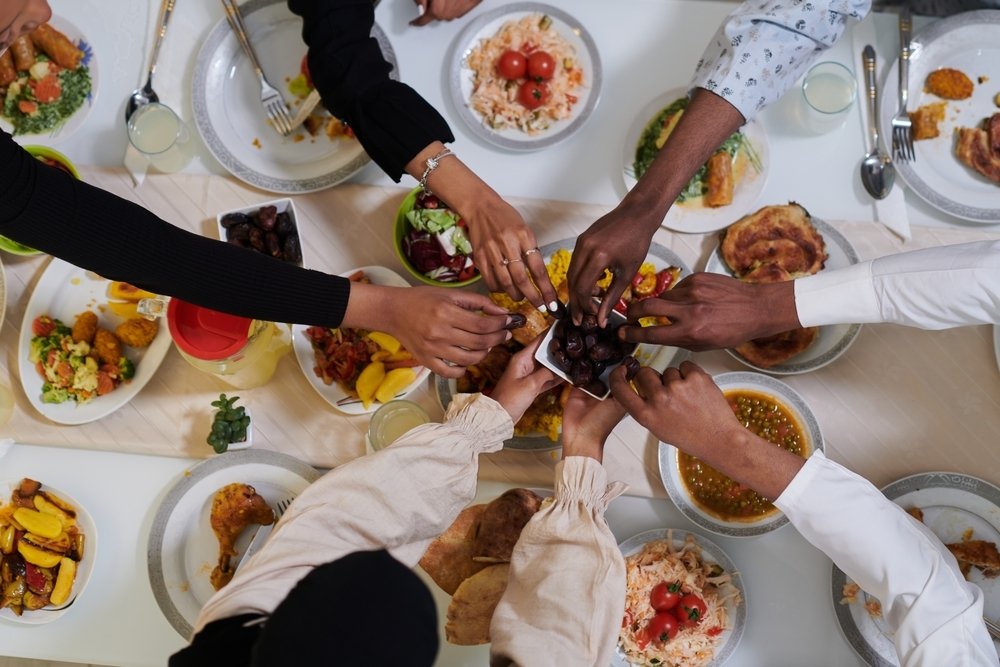
I still remember my first Ramadan in Chicago. In 2018, when I moved from the historical shores of Üsküdar to the windy streets of this city, my greatest concern was not the cold weather, it was whether I would lose the communal spirit that defines this blessed month. Back home, Ramadan meant familiar faces, crowded tables and the quiet rhythm of shared traditions.
Over time, however, I discovered something unexpected: the iftar table travels. It is not confined to Istanbul’s historic districts. In Chicago, I found myself sitting at tables surrounded by people from nearly every nation strangers at first, neighbors by the end of the evening. The iftar invitations, festivals, seminars and conferences, both at the NGOs and the theological departments, do not lack in the richness and tradition of the Ramadan experience in the historic districts of Fatih and Üsküdar in Istanbul. I came to see that iftar is more than a meal; it is a quiet architecture of belonging, capable of turning unfamiliar spaces into something that feels like home.
It is in this light that gastronomy presents itself as a language of belonging. In a city like Chicago, the iftar table becomes one of the most dynamic public spaces I have experienced. As a civil engineer, I often think about foundations and mortar – what keeps a structure standing. But over the years, I have come to believe that what truly holds a city together is something less visible: the sense of community built around shared tables.
From the spices of Devon Avenue to the hospitality of Bridgeview, food carries memories from different homelands onto a single plate. In Hyde Park, the iftar dinners and Tarawih prayers organized by the UChicago Muslim Students Association bring together students from across the world. What strikes me most is not only the diversity, but the openness. These gatherings are not limited to Muslims; students of other faiths come with curiosity, questions and often leave with friendships. Similarly, institutions like the Mecca Center, Iqra Foundation, Turkish American Religious Foundation (TARF) and Ta’leef have quietly shaped the spiritual landscape of the city through simple invitations: come, sit, eat and share your story. At these tables, I met so many remarkable people that Chicago became more than just a dot on the map for me. Each gathering carried a different life, a different journey, a different hope.
There is something powerful about how food softens the sharp edges of metropolitan life. As the sun sets and commuters step off the “L” train, many move from anonymity to familiarity in a matter of minutes, simply by sharing a meal. In those moments, the city feels less mechanical and more humane. Ramadan, then, does not merely add another event to Chicago’s calendar; it subtly reshapes the way we inhabit the city. Belonging is no longer about the walls we live within, but about the tables we are welcomed to join.
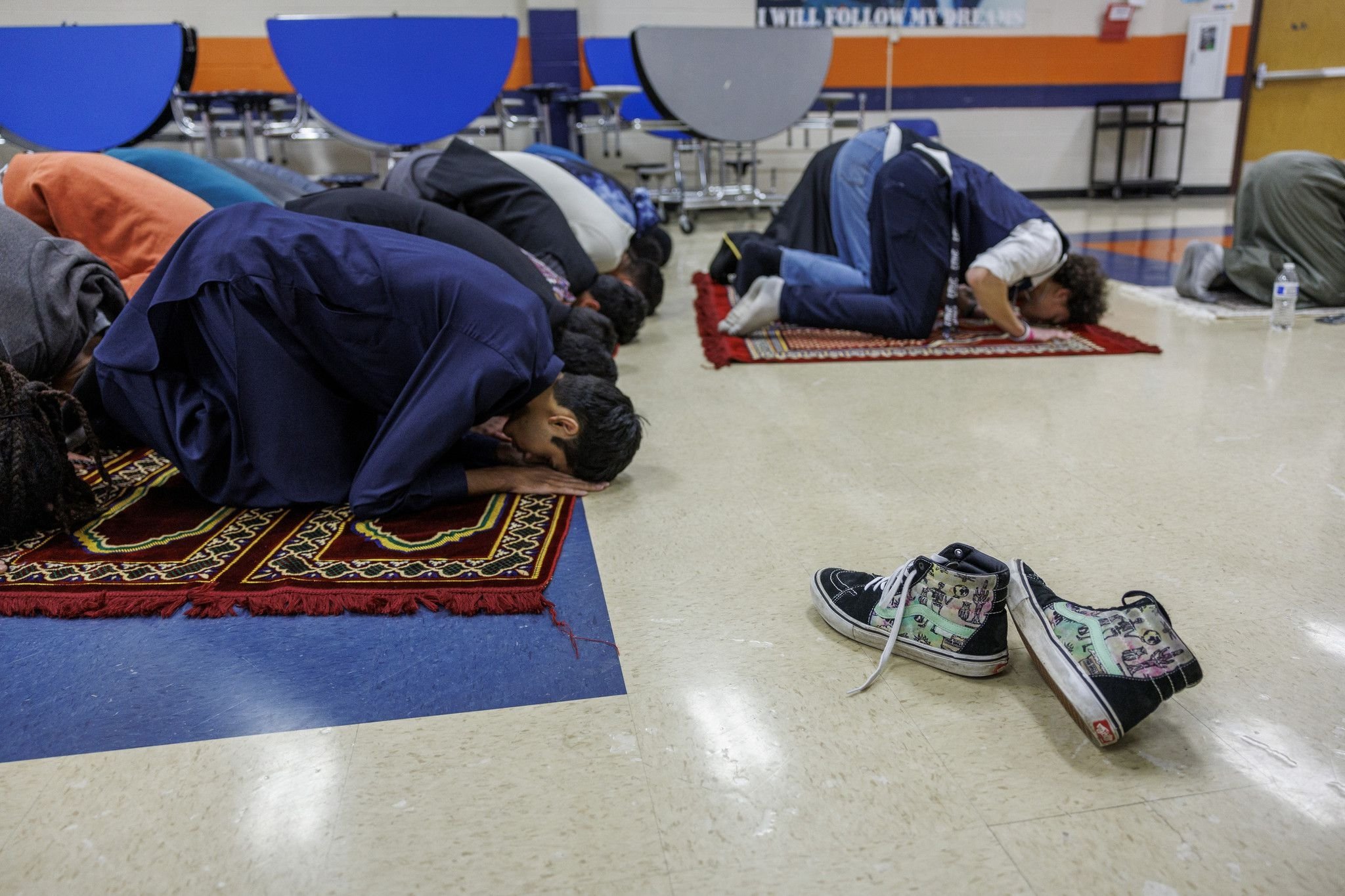
Ramadan is not only a time of personal purification. It is also a shared practice of goodness. The Moroccan Islamic philosopher Taha Abdurrahman reminds us that ethics is not merely something we believe, but something we enact. Goodness, in his view, must be lived – moment by moment – through action.
His idea of amanah, or trust, offers a helpful lens here. If we see the city itself as a trust, then our responsibility toward it becomes concrete. The iftar tables set across Chicago are not just meals arranged in space; they are small acts of care that soften the impersonality of metropolitan life. In a city often defined by speed and anonymity, these gatherings quietly restore a sense of moral presence.
Abdurrahman argues that goodness cannot remain passive. It must move, serve and sustain itself through effort. In the wind and vastness of Chicago, when people from different nations sit side by side and share bread, that effort becomes visible. For a few hours, the city feels less like a collection of buildings and more like a community conscious of its responsibility to one another.
While the soul of a city is as much embedded in the smaller moments as it is in the grand public squares, the deep conversations being had over a cup of dark Turkish tea in the mosque courtyards of Istanbul in the evenings after iftar, as well as the coffee mugs being shared in a cafe in Chicago, serve the same purpose as city art: bringing people around the narrative. It is in these instances where the steam of the tea meets the humid air of Istanbul, as the coffee meets the biting wind in Chicago, that the geographical lines blur. These acts of profound simplicity remind us that the beauty of a city is not only in its grand architectural design but in the storytelling that brings people together at the same table.
As I walk through the streets of Chicago today, I often find myself transported to the post-iftar breeze of Üsküdar or the endless neighborhood conversations of Fatih. The familiar joy found in the festive atmosphere of Sultanahmet, or the warmth of sharing boza on a spring night, is finding a new life here in Chicago’s multicultural neighborhoods – at an MSA iftar or the garden of a Turkish-American center. That ancient spirit of Istanbul, that renowned "Ramadan joy," echoes on this side of the ocean through a tapestry of different languages and colors. Ultimately, the distances that separate cities dissolve in an instant with a single bite shared at the same table and a heartfelt conversation.
Chicago is no longer just a place I work or study; it has become as intimate as a neighborhood in Istanbul and as familiar as "home." Against the biting winds of Chicago, it is only through these bridges of "active goodness" that warm our hearts that we can build the cities of the future, not with concrete but with love. From the shores of Üsküdar to the windy skies of Chicago, Ramadan is everywhere; a city is our own only when it is shared.