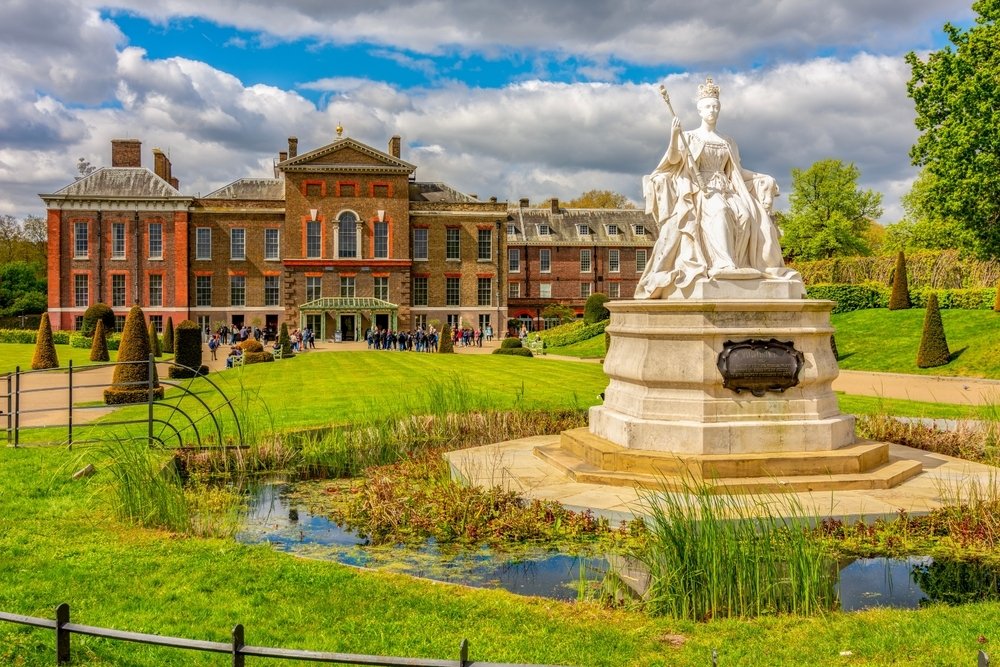
London is the world’s capital, and Kensington shines like the Koh-i-Noor diamond in its crown. Like many working-class Brits, Kensington has always represented “living the dream” to me. Yet, who knows where life might take you next?
In the summers before COVID-19, my university friend and closest companion, Dr. Nasser Albarraq Alotaibi, invited me to London. A true friend, Nasser had always stood by me during challenging times despite his poor health,. With little hesitation, I booked a train ticket, packed a few outfits, a small gift, a book and a shaving kit.
After a few hours’ journey, I found myself standing in front of Princes Gate, a multi-storey building housing several flats, adjacent to the Science Museum and opposite the prestigious Imperial College and Goethe Institute – institutions where knowledge and innovation thrive.
I will never forget Nasser’s warm Arabic greetings, infused with his Alotaibi tribal hospitality. Arabs are known for their generosity and welcoming spirit. After a brief rest with Arabic tea and dates, I inquired about Nasser’s health.
His appearance suggested a serious health struggle was looming. On that beautiful evening, under the fresh air, I quietly prayed for blessings for such a kind-hearted soul.
Effusive, engaging and elegant, Nasser had an instinct for winning people’s hearts. That evening, we dined at the fabulous Iraqi restaurant Al-Maskoof, where Nasser generously ordered his all-time favorite masgouf fish, boiled rice, kebabs, lentil soup, Arabic salads, Turkish coffee and baklava.
Over the years, I learned that Nasser’s cultured smile, humility and generous tips earned him much admiration. I witnessed his kindness firsthand at Al-Maskoof.
Nearby, the Victoria and Albert Museum preserves scars from a German bomb during World War II, visible at its entrance gates as a solemn memorial. Early mornings see tourists and students heading to Imperial and Aga Khan universities, making Princes Gate Street bustling and lively.
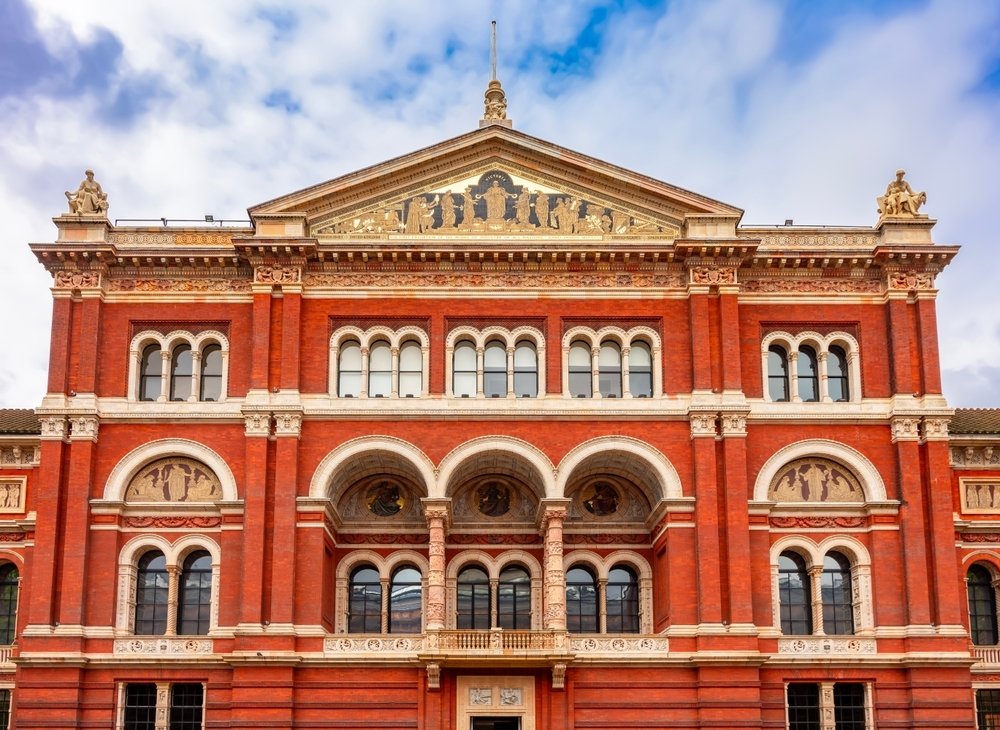
Here, the prized possessions of Sultan Fateh Ali Tipu Shaheed – the Lion of Mysore – are displayed in the “Imperial Courts of South India,” including Tipu’s white garments and a tiger emblem on a British soldier’s chest, symbolizing resistance.
The museum also houses lavish collections from the Great Mughals, including Akbar, Jahangir and Shah Jahan, alongside Indian Rajas’ and Maharajas’ ornate attire, gold and diamond-studded daggers, swords, necklaces, decorative arts, jade and rock crystal artifacts, paintings, musical instruments and personal items.
Among these treasures, the intricately designed octagonal golden throne of Maharaja Ranjit Singh captivates every visitor. In "Inglorious Empire: What the British Did to India (2017)," Shashi Tharoor describes such collections as “looted wealth” during British rule.
The nearby Natural History Museum traces the origins of Homo sapiens – a complex and contested topic. This museum requires hours to explore and offers a welcoming space to rest and enjoy coffee and diverse cuisines to recharge after a long visit.
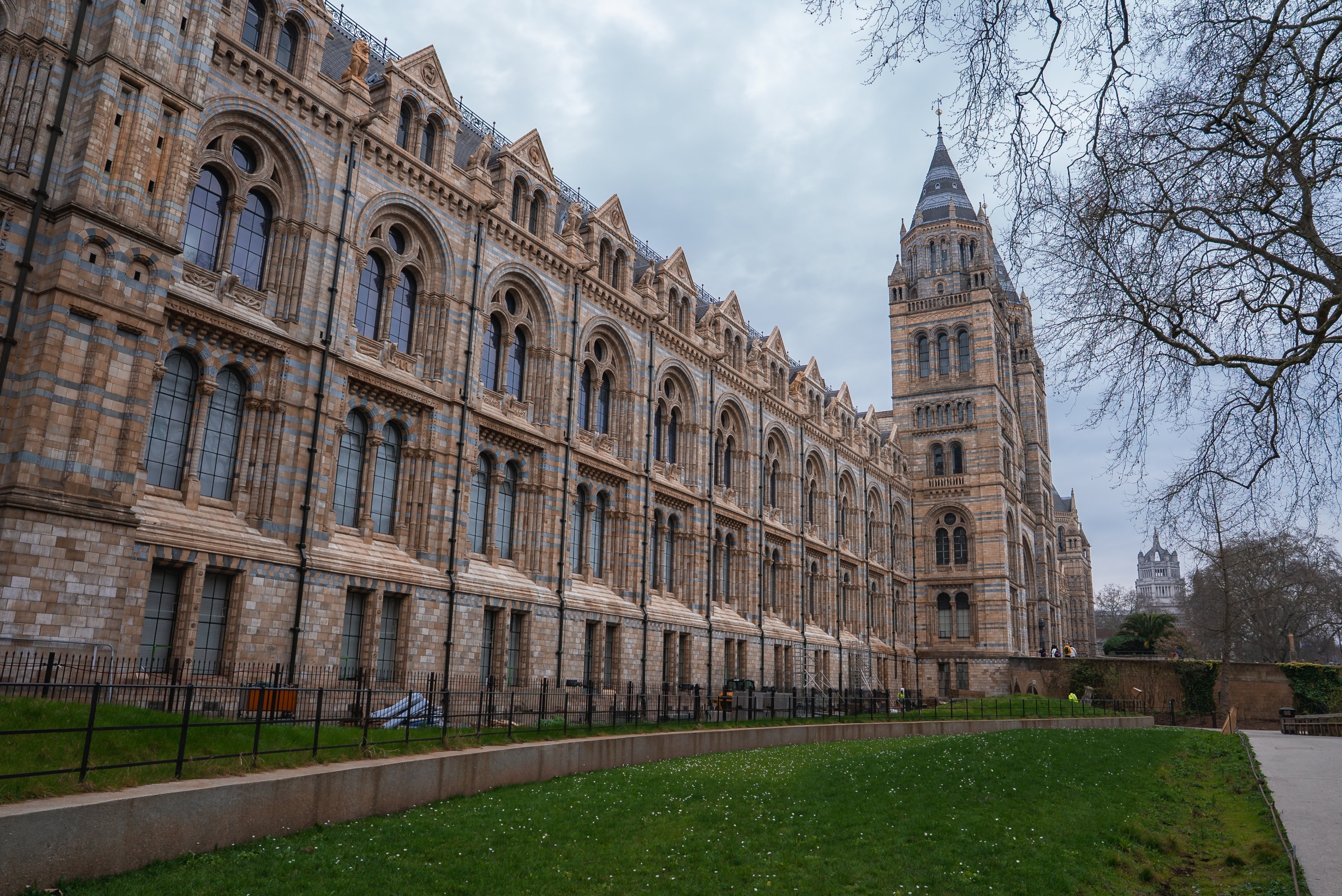
Depending on your interests, South Kensington’s galleries, libraries, gardens, museums and educational institutions, along with street artists and performers, bring vibrant life to the area.
Kensington is alive with color and culture, full of sights to admire and cherish. Fortunately, Nasser lived at Princes Gate, in the heart of South Kensington, close to the Science Museum, Natural History Museum, Victoria and Albert Museum and within easy reach of Kensington Palace, Kensington Gardens and Hyde Park.
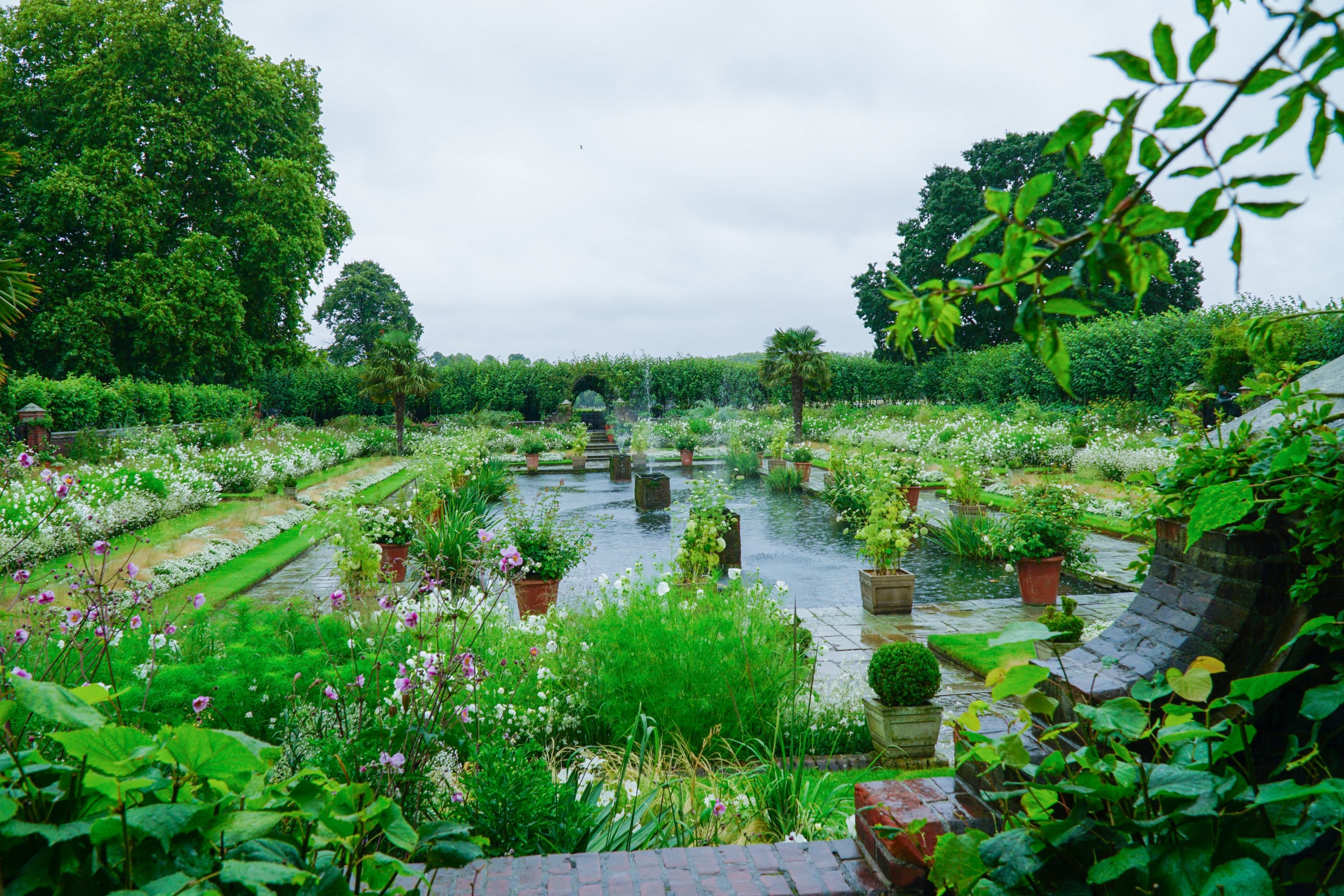
During my stay, we strolled through these iconic locations, enjoyed the serenity of Kensington Gardens and experienced lavish evenings at Harrods, particularly in its roastery and bake hall.
Harrods stands as a symbol of luxury and elegance. There, I met notable diplomats, scholars, businesspeople and students from Saudi Arabia, the United Arab Emirates (UAE) and Qatar, gathering rich cultural insights.
Arabs cherish their coffee and Harrods honors this tradition by serving tea and coffee in kettles. The store offers a cozy environment and a splendid atmosphere, making it a prime networking spot. Harrods deserves praise for its state-of-the-art coffee bars, restaurants and its role in revolutionizing coffee culture.
Since our university days at Leeds, I knew of Nasser’s habit of having morning coffee at nearby Cafe Nero. But in Kensington, while battling cancer, he spent most evenings with his Saudi friends at Harrods.
I recall many visits and meetings with remarkable individuals like Sami, Mamdouh, Majid and Shakir – flagbearers of Nasser’s Alotaibi tribe, united by their vigor, shared features and generous hearts. Numerous Saudi researchers based at King’s College, Imperial College and other British universities regularly visited Nasser to check on his health, including Raed, Ammar, Mohammed and Abdullah.
Typically, Saudis prefer to be called “father of their son or daughter.” Though I follow the British tradition of first names, I fondly remember calling one of Nasser’s closest friends “Abu Salman.”
Every evening, I watched young, wealthy Arabs cruising around Harrods in luxury cars and jeeps with personalized plates. Local newspapers reported noise complaints, but the fact that Arab investment benefits the U.K. was widely accepted.
For many years, Kensington has been a favored summer holiday destination for wealthy visitors, especially Arabs. The area around Harrods buzzes with an eclectic mix of shops and snack bars reflecting fierce brand competition along Brompton Road.
Kensington’s royal connections, celebrity residents and status as a tourist hotspot have made it home to flagship branches of Middle Eastern restaurants such as Fait Maison, Al-Fanar, Apadana, Maroush and Samad Al-Iraqi.
These restaurants offer signature dishes like tender lamb kofta (meatball), kebabs, grilled fish, aromatic vegetables and saffron rice with fattoush and tabbouleh salads. Lebanese, Syrians and Palestinians excel at salad-making, while Iranians and Turks dominate kebabs and koftas.
With stunning interiors, delightful dishes and exceptionally trained staff whose charismatic smiles brighten the mood, these establishments reflect Kensington’s diverse and vibrant culture.
For those who appreciate history, Kensington is surrounded by magnificent historic buildings and homes of renowned artists, scholars, scientists, singers, politicians, entertainers and sports personalities.
On many streets, you can find blue-colored round plaques commemorating those who resided here. This limited space can’t capture all the memories. Since Nasser’s departure, I have never returned to Kensington, but his enduring memory and spirit continue to inspire all his friends, students and colleagues.