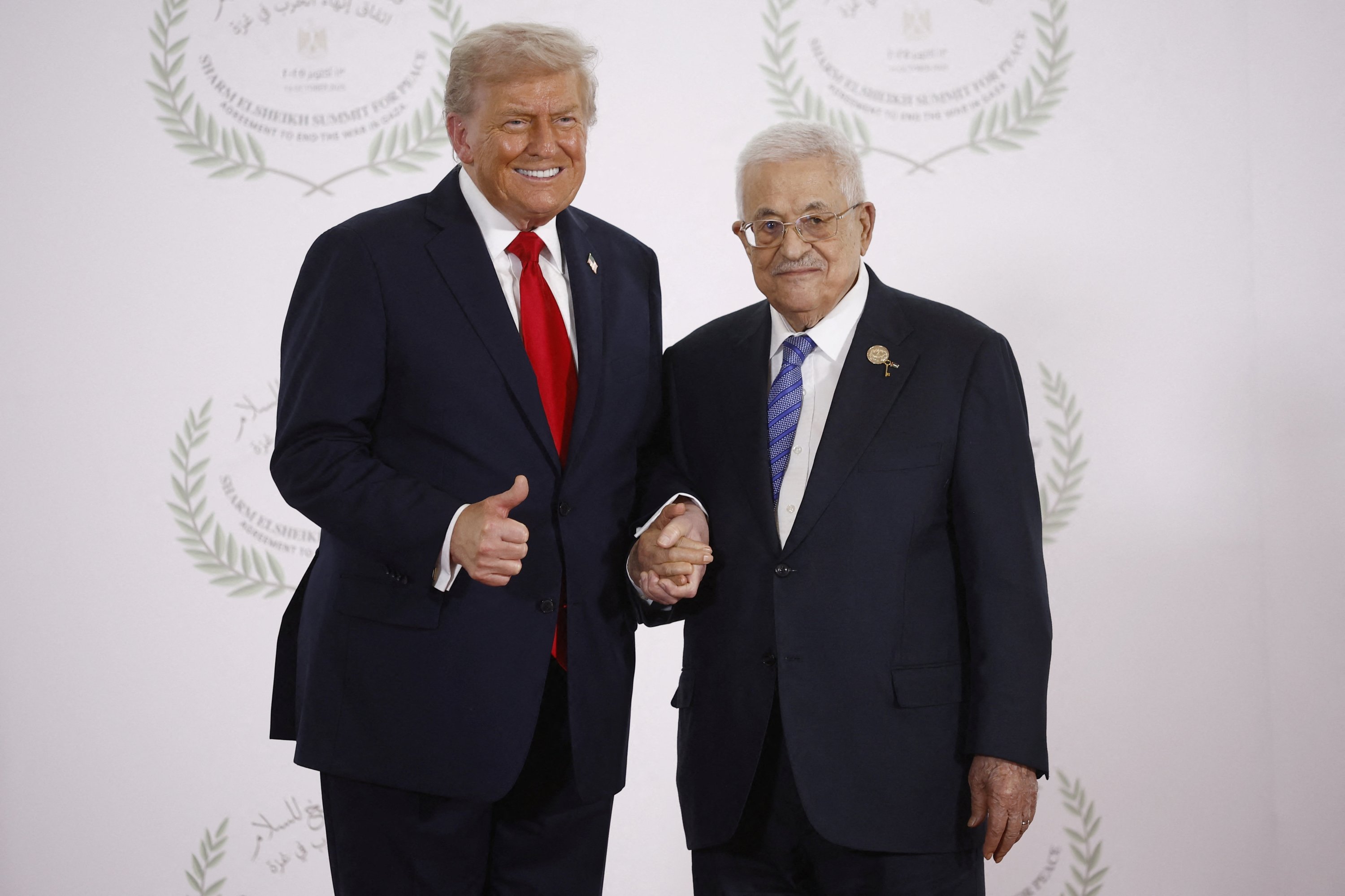
U.S. President Donald Trump organized a summit in Egypt to consolidate the previously declared Trump Plan and to guarantee the cease-fire agreement signed on Oct. 9. More than 30 leaders, including the leaders of all relevant Western countries, representing states and international organizations, have gathered in Sharm al-Sheikh, the well-known Red Sea resort city.
The Egyptian officials stated that the summit aims to “end the war in the Gaza Strip, enhance efforts to bring peace and stability to the Middle East, and usher in a new phase of regional security and stability.” Considering the realities on the ground and the ultimate objectives and expectations of the related states, it seems that the chances for ending the war in Gaza are relatively high. However, the likelihood of bringing stability to the Middle East is less likely. And lastly, bringing peace to the region, at this stage, is impossible.
There are several important factors that distinguish this cease-fire from previous ones. First of all, this plan is not a unilaterally imposed plan on the Palestinian side. It was prepared by Trump after consulting certain regional leaders of Muslim countries, as the realities on the ground prompted him to discuss the situation in Gaza with them. He wants to restore the credibility of the United States, which was largely eroded by its unconditional support for Israel’s aggression and expansionism. In a sense, the Doha attack against Qatar, one of the closest allies of the U.S. and the host of its largest military base in the region, was a turning point in the American perspective of the region.
Second, Trump proposed the plan as his personal initiative and therefore, he will put effort into making the process complete and successful. Similar to his previous interventions in regional crises, he takes the process as a personal initiative, demonstrating his personal influence in the resolution of the conflicts, especially by giving his name to documents and agreements, as he renamed the planned corridor between Nakhchivan and the mainland Azerbaijan, the Zangazur Corridor, as the Trump Corridor. This factor increases the chances of the process.
Thus, Trump wants to restore his personal image not only in the region but also in the U.S. After all, one of his most quoted promises was that he would end all the conflicts and wars. By resolving regional crises, Trump aims to clear the way for his ultimate goal of confronting the true global rivals.
Third, he seeks to restore Israel's destroyed image on the global stage. He is aware that a global humanitarian coalition was established against Israel’s genocidal policies. Not only Arab or Muslim peoples and states but also Westerners and non-Westerners have begun to oppose Israel’s violations of basic human rights and aggression against all regional countries. The whole world turned against Israel and supporters of its policies. The formation of and participation in the Global Sumud Flotilla, which was largely organized by Western activists, is an indication of this global anti-Israel coalition.
Both Israel and Trump have realized that Israel is about to lose the whole world. Winning the Gaza Strip and even the West Bank will not prevent or recover this huge loss. Israel has largely lost its legitimacy in the eyes of Western peoples and states, which do not talk about Israel’s “right of self-defense” narrative anymore. Therefore, Trump wants to help Israel by trying to restore its globally distorted image.
This factor shows the power of people against their respective governments. In particular, although Western governments wanted to continue providing unconditional support to Israel, their people took to the streets in defense of humanity.
Fourth, time is running out for many leaders of Arab and Muslim countries because their people’s patience is running out. It is obvious to everyone that everything has a limit. Further political instability and chaos in the Middle East will not bring more stability and peace to Israel or any other country in the region. Therefore, it is not sustainable to continue this lose-lose war for either side. Arab and Muslim people might put pressure on their respective governments to prevent the Gaza genocide or at least to do something for the Gazans. Without taking a concrete step, it was impossible to satisfy the rising expectations of societies with their own governments.
In conclusion, there is a high probability of bringing stability to the region and deterring Israel from reinitiating its genocidal attacks against the Gazans. Within this context, Trump’s firm stance will be very decisive. Leaders of Arab and Muslim countries, as well as leaders of other Western countries, will continue to engage in a constructive dialogue with him, since they attach great value and importance to the Trump initiative.